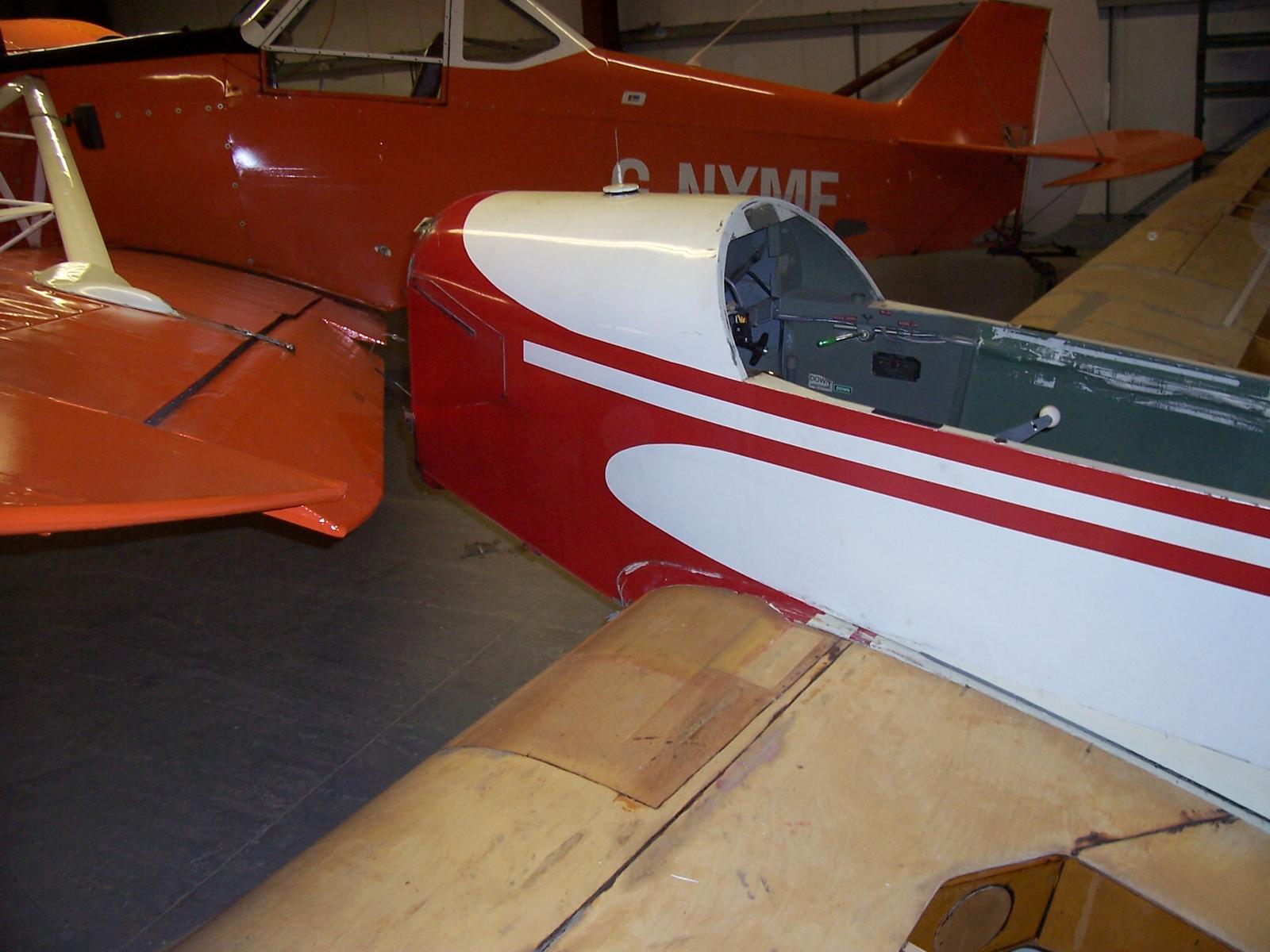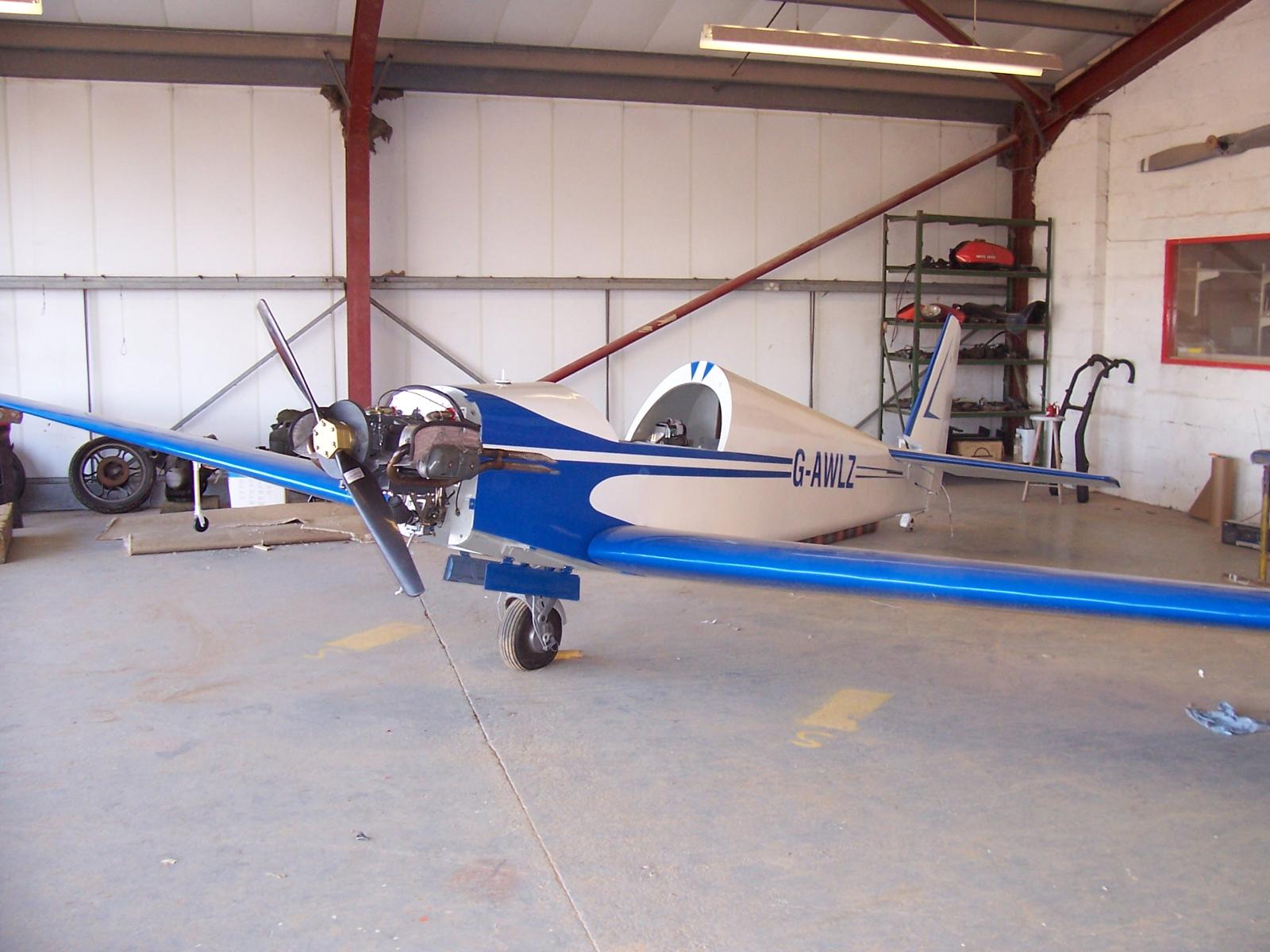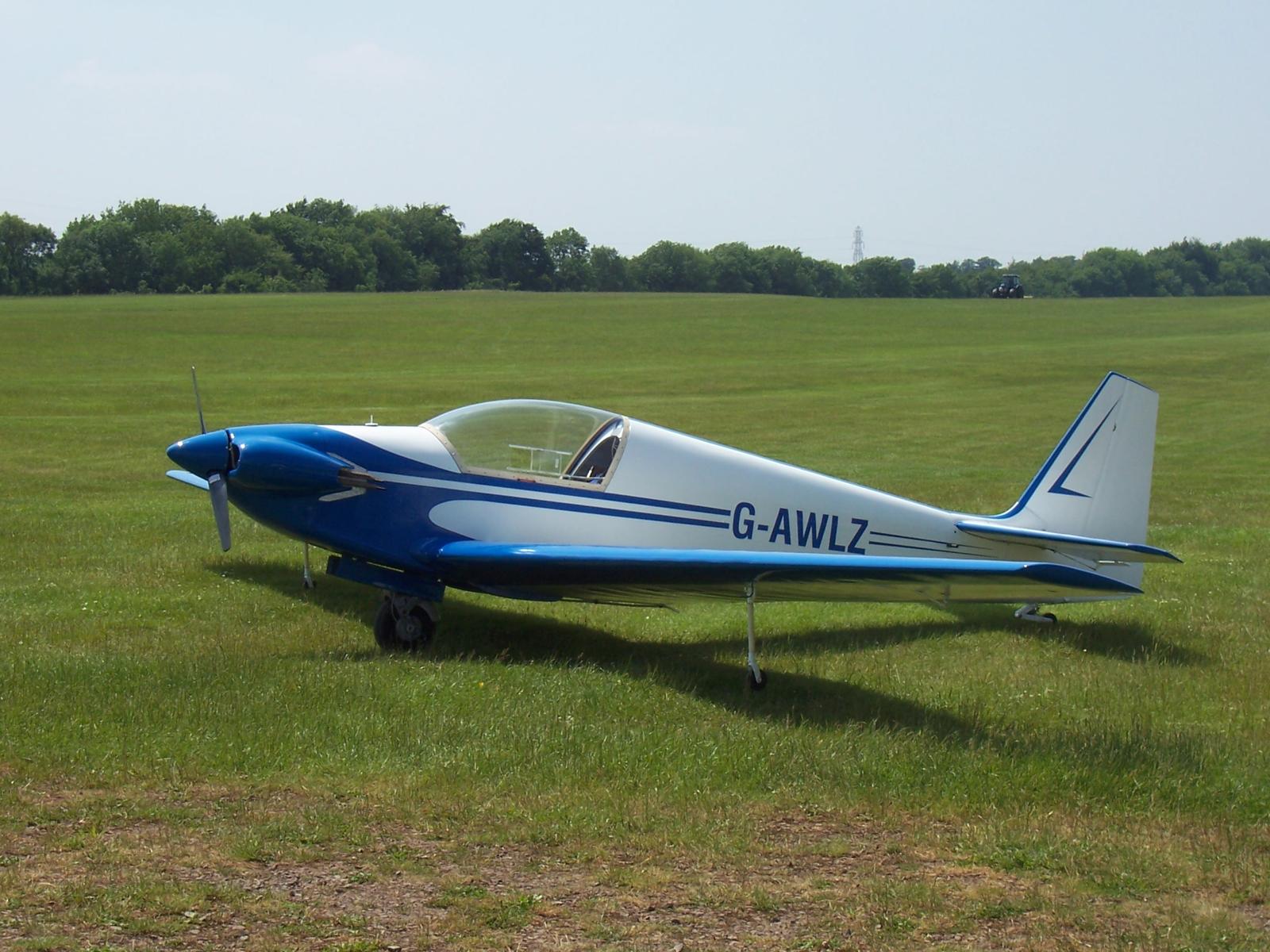
I had bought my 1/9th share in LZ in August 1999 with my first flight being 2/9/99 and after returning from the Fournier meeting at Lapilasse on 13/9/2005 LZ was in the back of the Nympsfield tug hangar and being taken apart within 20 minutes of landing.
The Nympsfield RF4 Group had obtained LZ in 1995 after one of them had tried to land the groups original RF4 (G-AVNX) in a field by his holiday home and hitting the far fence.
The damage was not significant, a hole in the leading edge, but for whatever reason, be it insured value or recovery costs the aircraft was written off with group member Mike Wollard buying the salvage and repairing it.
I don’t know where LZ was obtained from, but when I took over the running and maintenance of the group in 2001 I found little in the way of history or records other than typically vague logbook entries, ‘permit inspection carried out’ with no further detail.
The engine had been modified to 1600cc during 97/98 by group member Pete Mallinson and sported a ground adjustable Arplast Ecoprop.
The fabric was however far from pristine, hence with me now running the group and with access to the club workshop for free in return for the work done on the gliding club fleet the time was right and the group agreed.
Stripping down
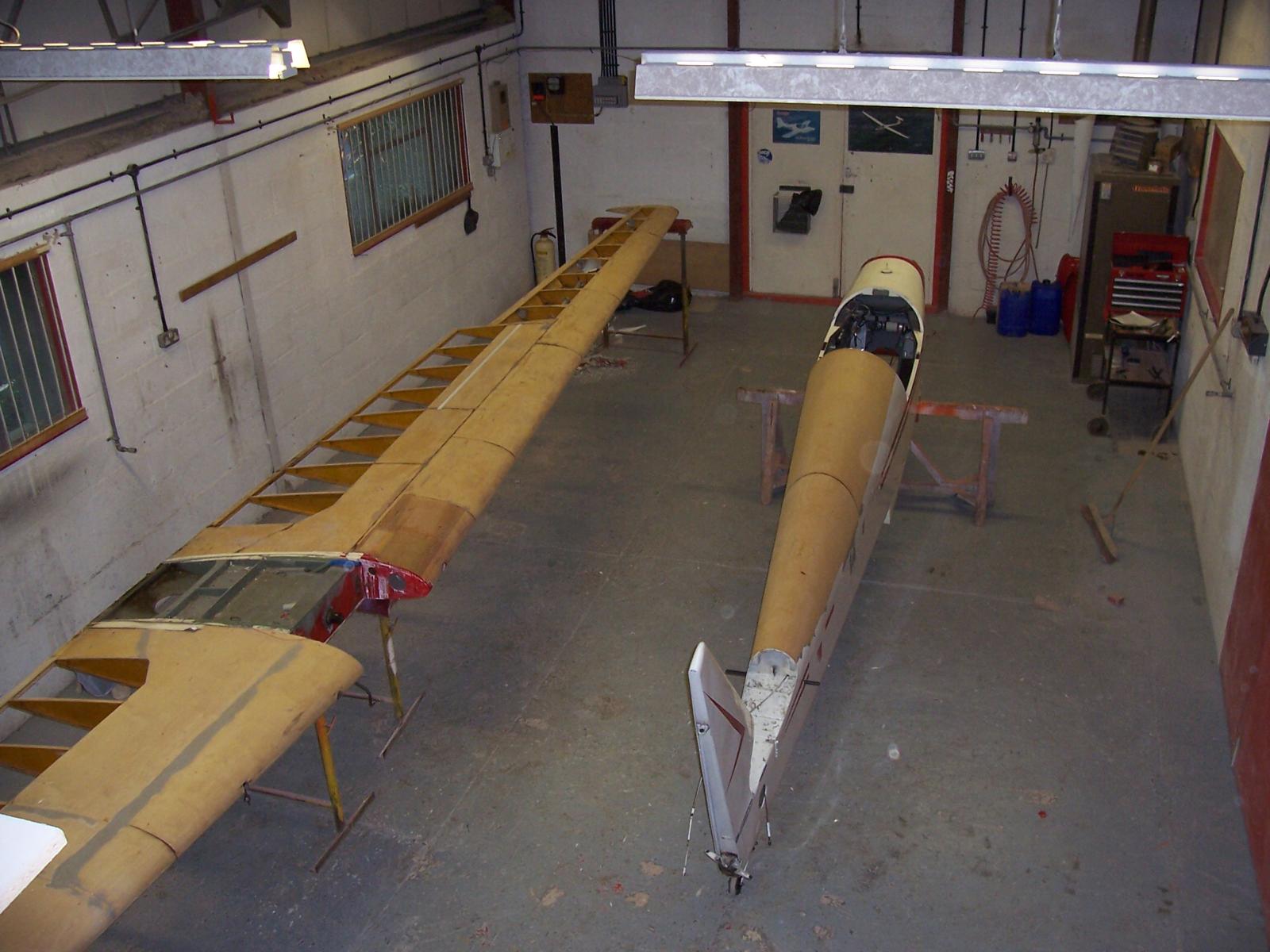
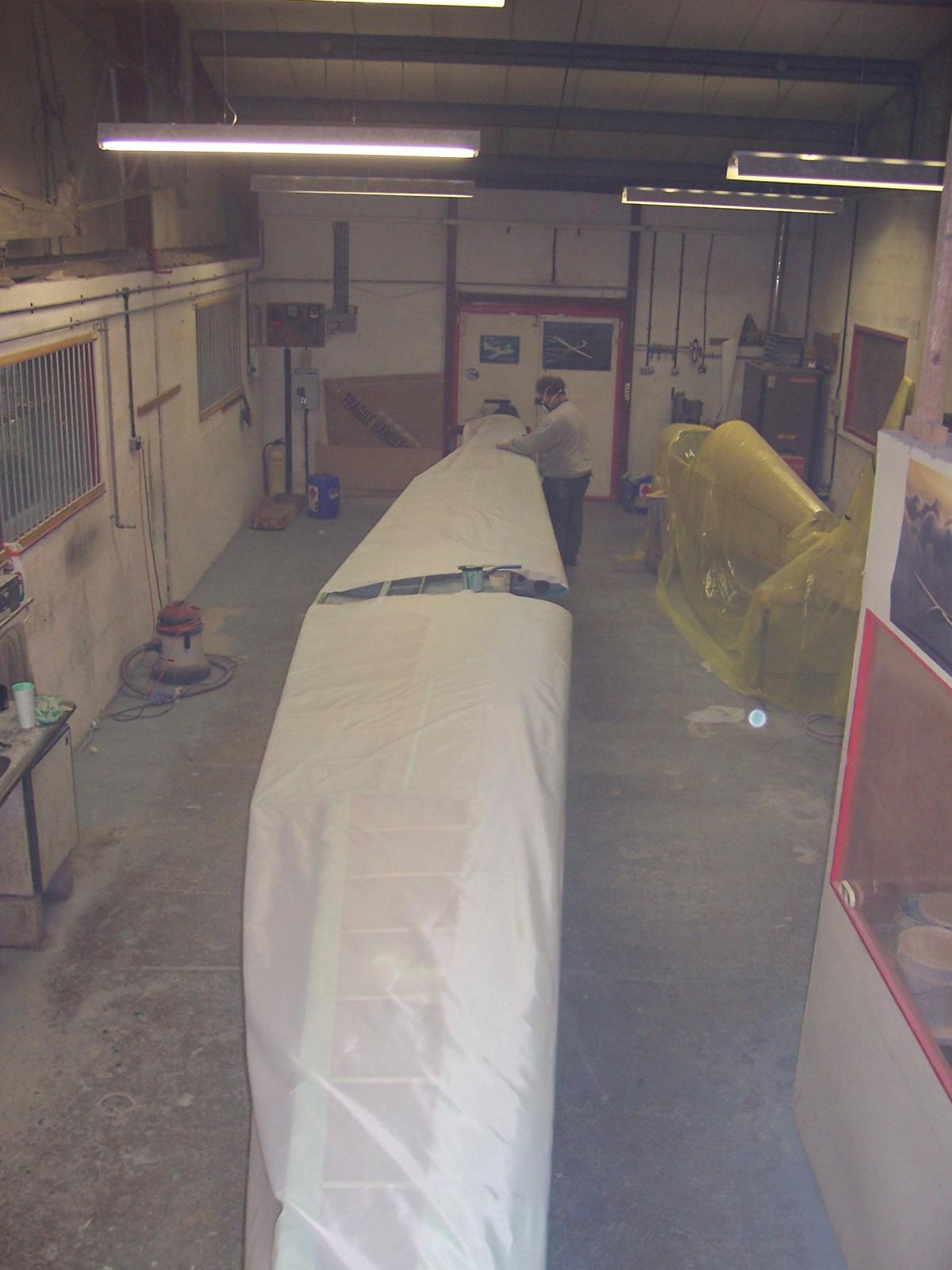
With the tail through the double door from the main hangar where the tugs lived the panels etc were removed and while awaiting help the fabric was removed from the wing in next to no time.
Unfortunately it was much harder to remove from the fuselage and tailplane.
Next came removal of ailerons, tailplane etc and disconnection of the stick and its casting, the horrid six awkward bolts holding it to the torque tube becoming apparent and something hated by all Fournier owners. (I’d have hated to be the bloke in the factory whose regular job this was.) before a gang were enlisted to separate the fuselage and wing (with a purpose made stand this can now be done with two people) and get both into the workshop at the rear of the hangar.
With the help of my mate and group member, Jon French, the engine, instrument panel etc were removed with the engine being given back to its builder to check over.
Trying to get the fabric off the fuselage and tailplane was no fun, unlike the wing and control surfaces where it literally fell off it would only come off in tiny slivers.
So after sanding off lots of two pack paint with a D A sander the original cellulose based primer and dope surfaced and after soaking with rags drenched in acetone the fabric could be removed little by little.
The same process was used on the tailplane.
Structure and covering
Once bare all the old glue residue was cleaned from all the wood surfaces with acetone and then the wood lightly sanded by hand.
The ply round the tailwheel was not in the best condition (AD83-15) and was replaced but other than that everything seemed good.
LZ had always been heavy but the only obvious sign of repair to my then inexperienced eye was a repair to the port LE where the skin had been replaced over the first two ribs to the spar.
All the metal parts were removed, paint stripped, etch primed and repainted, low spots were filled with micro balloons and sanded.
The cockpit was sanded throughout and repainted then masked before Rand o Proof was sprayed on all the wood. (We were using the Randolph/Ceconite system)
The metal bits were refitted as necessary and the structure covered with Ceconite Lite with us following the manual to the letter as it was a learning experience.
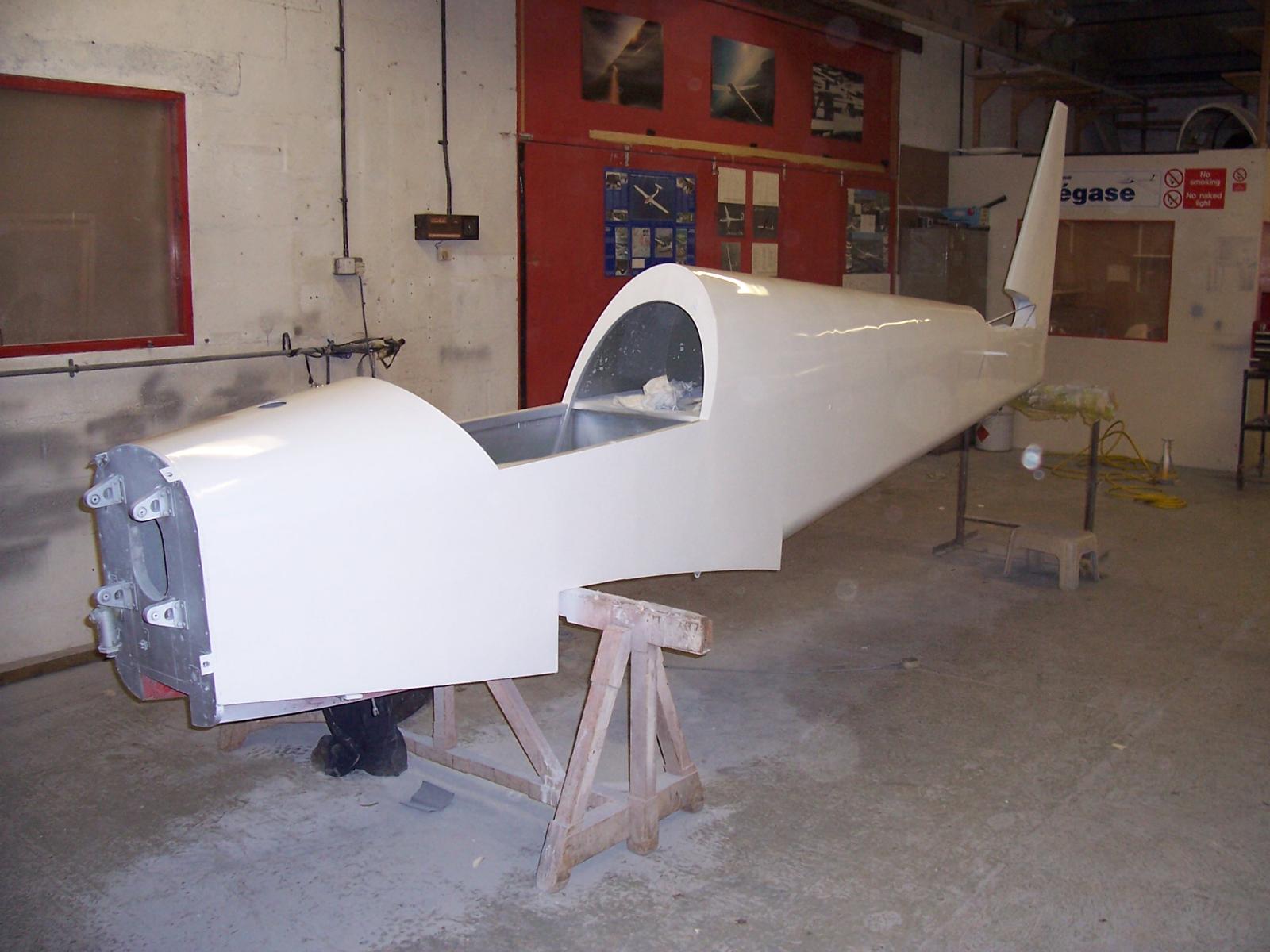
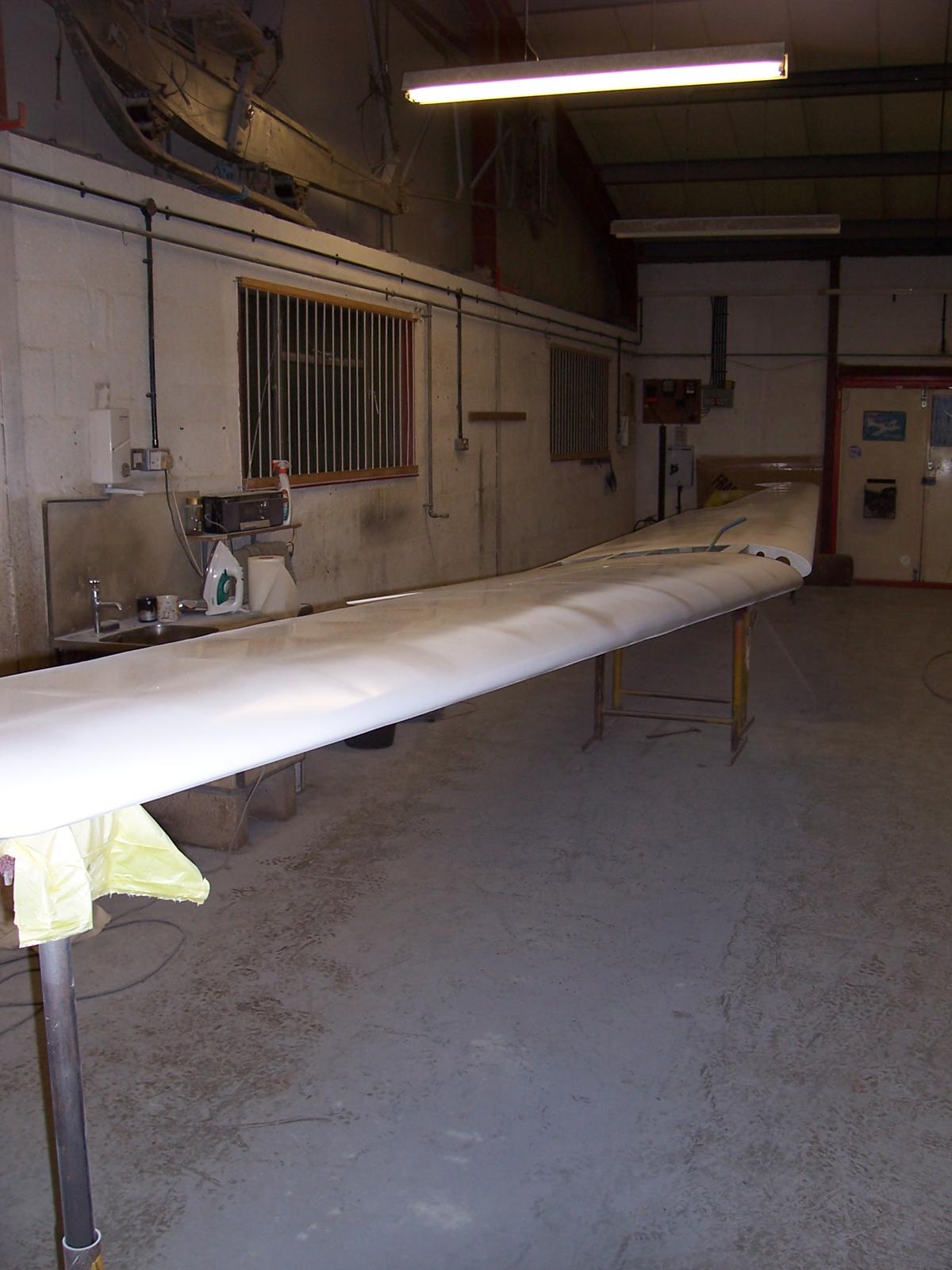
Then followed the many dope coats required by the system, nitrate (Rand o Proof = Green Stuff), clear butyrate and a couple of coats of silver butyrate (Rand o Fill) to act as guide coats when rubbing back.
After much rubbing back with 400 wet/dry many more coats of silver were sprayed followed by many coats of white butyrate.
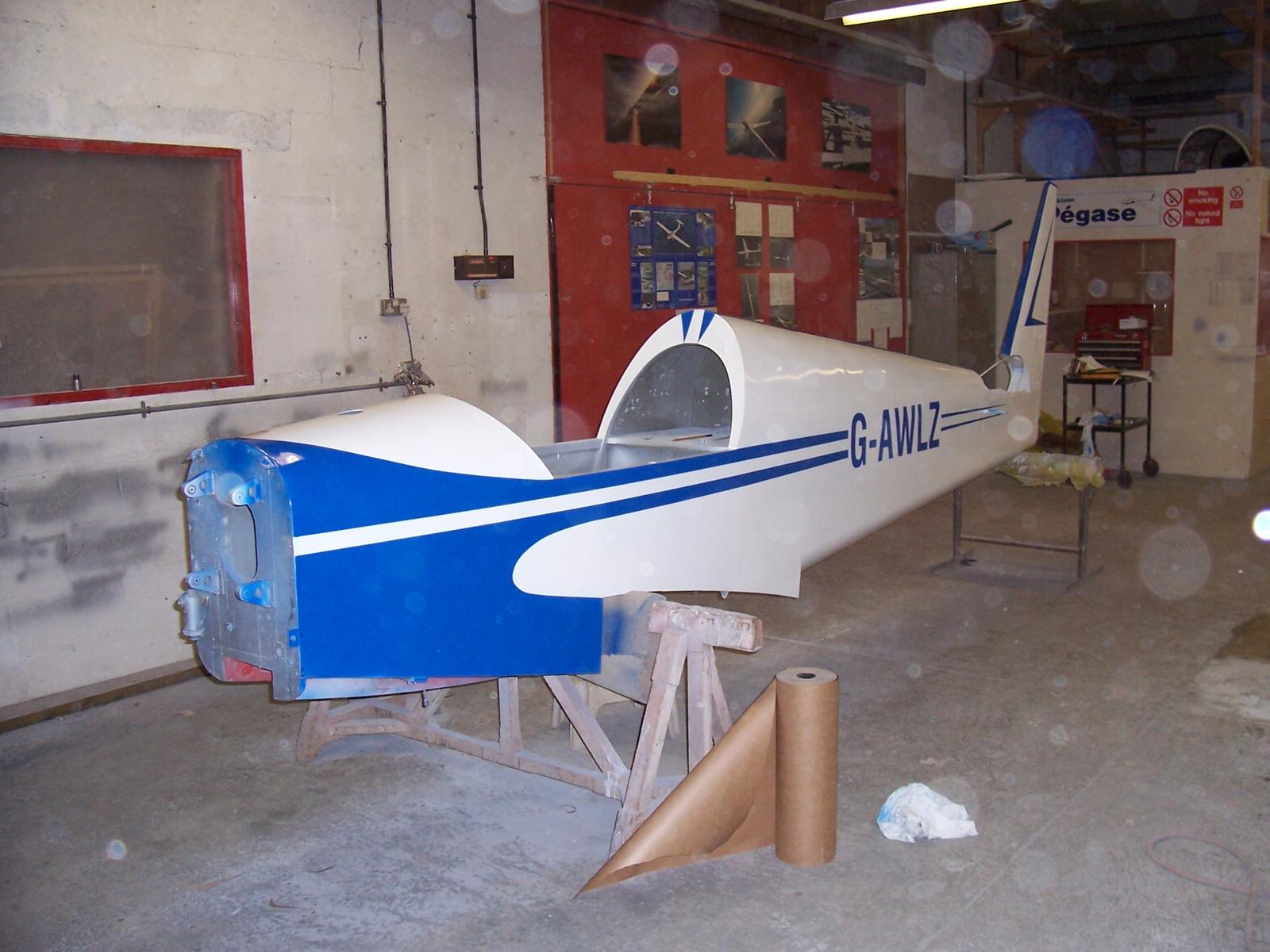
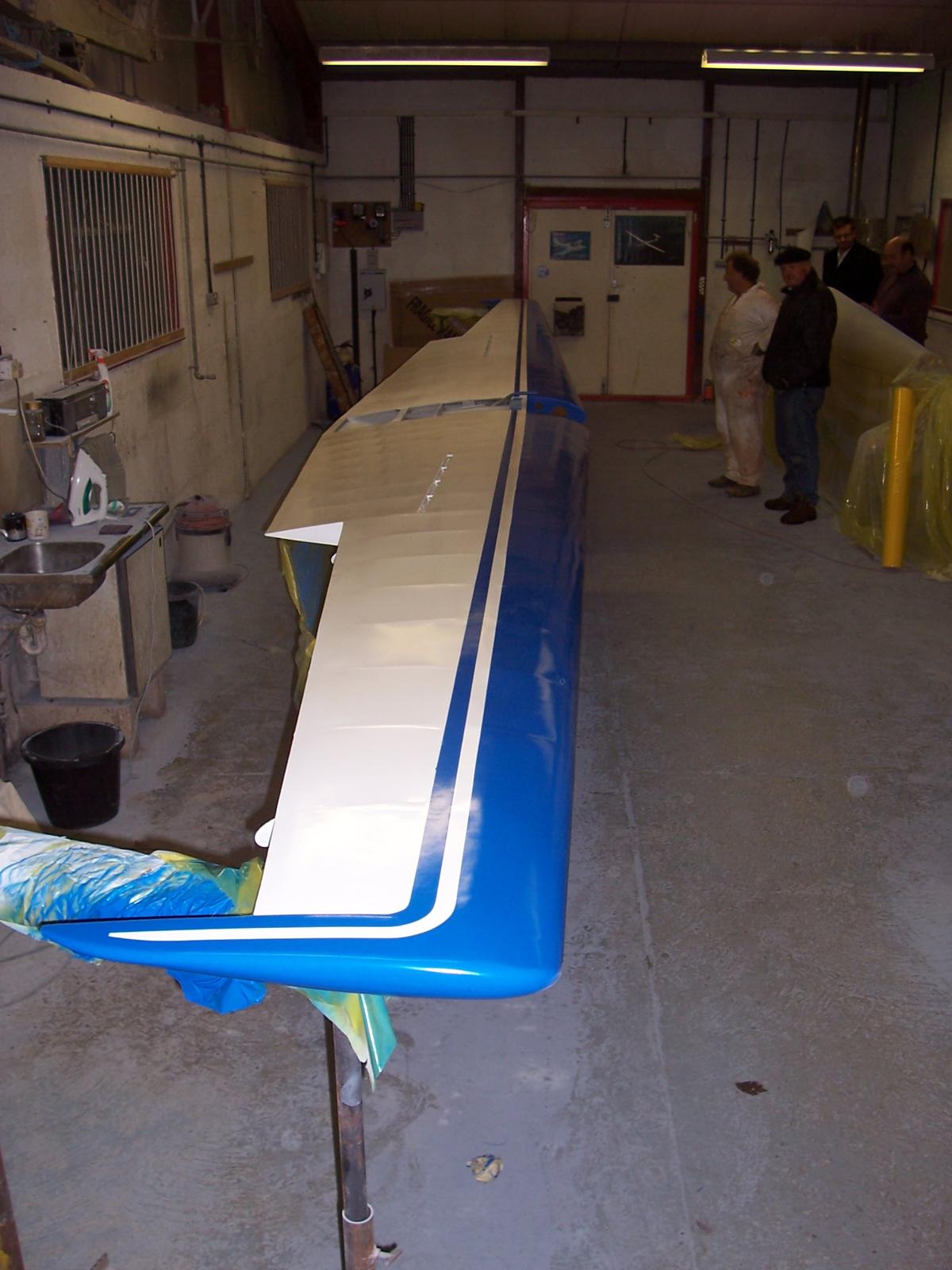
Bahama Blue
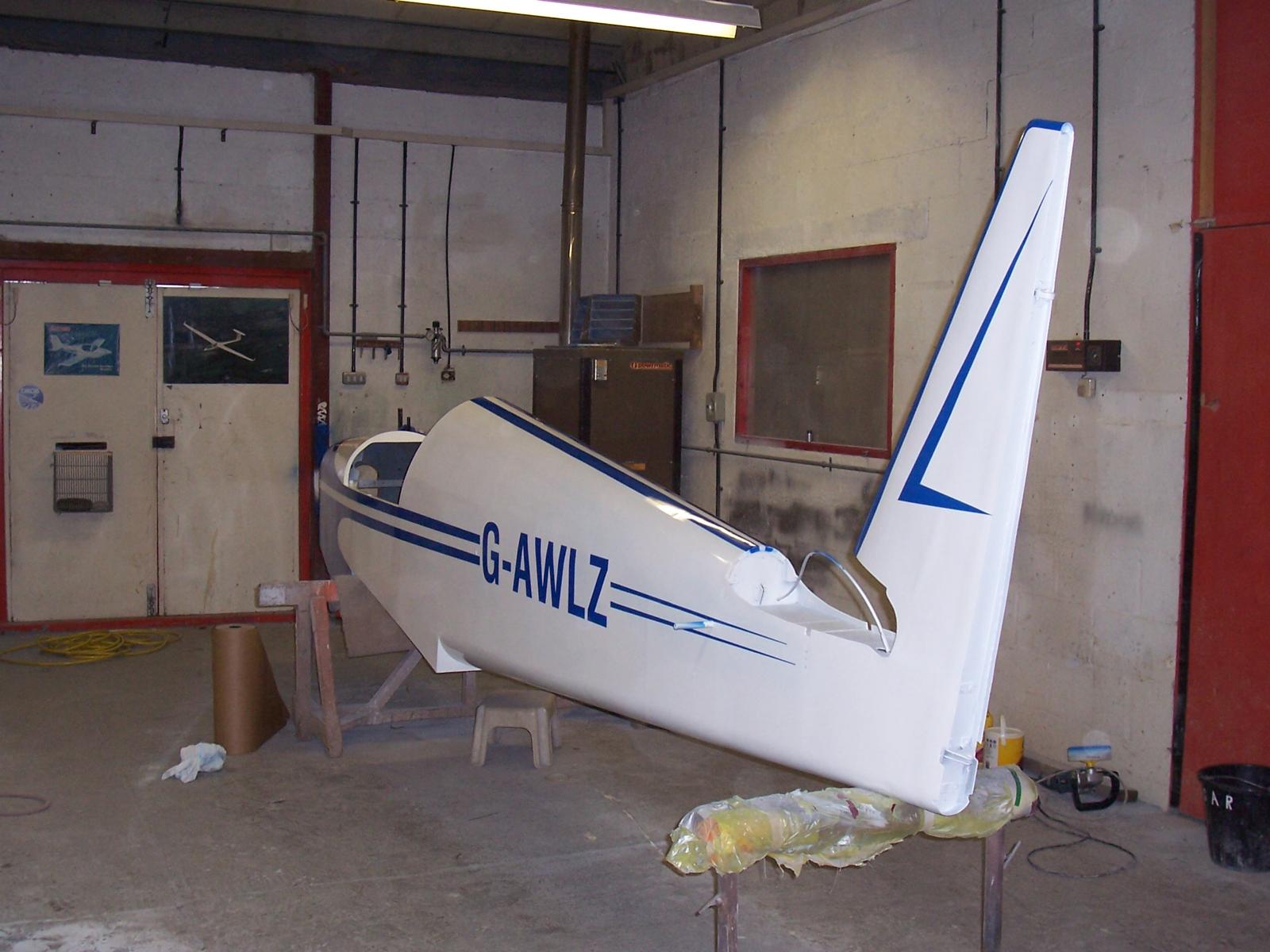
Now the fun, masking out the trim.
I had done the masking on G-AVWY from my memory of G-AVNY, my childhood love but I had also taken a few measurements before stripping.
LZ had been red but NY had been blue and most of the group liked blue so Randolph ‘Bahama Blue’ it would be in butyrate dope, a similar blue to my memories of NY.
After demasking it looked pretty good so it was ready to put back together.
Back together and back in the air
Things like the tailwheel were refitted before the wing and fuselage were mated in the back of the tug hangar and then the other bits and the engine refitted along with a rewired quick release instrument panel.
After weighing, fuel flow checks, duplicate inspections all signed off by my then boss, Roger Targett, who ran Roger Targett Sailplane Services and in whose old workshop (taken over by the gliding club) we had been working.
The paperwork went off to the PFA (now LAA) to be processed.
I took LZ into the air for its first post refurbishment flight on 9/6/05 with no issues with it making its public debut at the Defford (Croft Farm) Air Day the following day.
I have to thank Roger for overseeing the project as my first solo job but more so for Jon for teaching me to spray which is now a major part of my day to day business.
— Dave Bland, September 2026
Dates: Dave’s fuller history of the aircraft gives the rebuild as 13 September 2005 to 9 June 2006. Read the whole story of G-AWLZ, from Sportair in 1968 to its sale for export to Australia, in the G-AWLZ owners’ story.