Into production, and onto the Paris stand

To escape the stricter dual glider-and-aircraft certification the RF2 had been built to, Fournier redesigned the type to meet the lighter aeroplane standard alone, which let him reduce the airbrakes and shed weight. It was also the first Fournier design to go through formal vibration and structural-failure testing — an experience he later described candidly as nerve-wracking.
Alpavia put the RF3 into series production at Gap-Tallard, building roughly ninety over less than three years — sources vary slightly on the exact total. Flown by Bernard Chauvreau, an RF3 was the centre of attention at the 1963 Paris Air Show, where it caught the eye of German industrialist Alfons Pützer — a meeting that would shape the next decade of the whole Fournier line.
Have a correction, a source, or a first-hand account of this type? The Articles Articles section and the contact page are both open for contributions.
Every individual Fournier deserves a history of its own. This type page is the starting point; verified registration, restoration and ownership milestones can be added as the archive grows.
| On the UK register |
|---|
| G-ATBP · G-AYJD · G-BCWK · G-BFZA · G-BHLU · G-BIIA · G-BIPN · G-BLXH · G-BNHT |
| De-registered |
|---|
| G-ATFI |
Updated from G-INFO on 12 September 2026 — not a live feed. Each registration links to its full card on the register; check CAA G-INFO for current status.
Recorded UK incidents on this type (CAA Mandatory Occurrence Reporting system, 1976–2004): none fatal. The pattern is a familiar one for the whole RF3/RF4/RF5 family — gear-up or partially-collapsed landings recur repeatedly (Redhill 1982, Peterborough-Sibson Jan 1998, Little Gransden Oct 1999), usually down to a missed downwind check or a distracted circuit rather than a mechanical fault. Engine failures also feature (Westhoughton Oct 1987, cylinder-head gasket) and a collision with a car while taxiing in fog (Dishforth, Jan 1982).
Owned or flown one of these? Email us a photo.
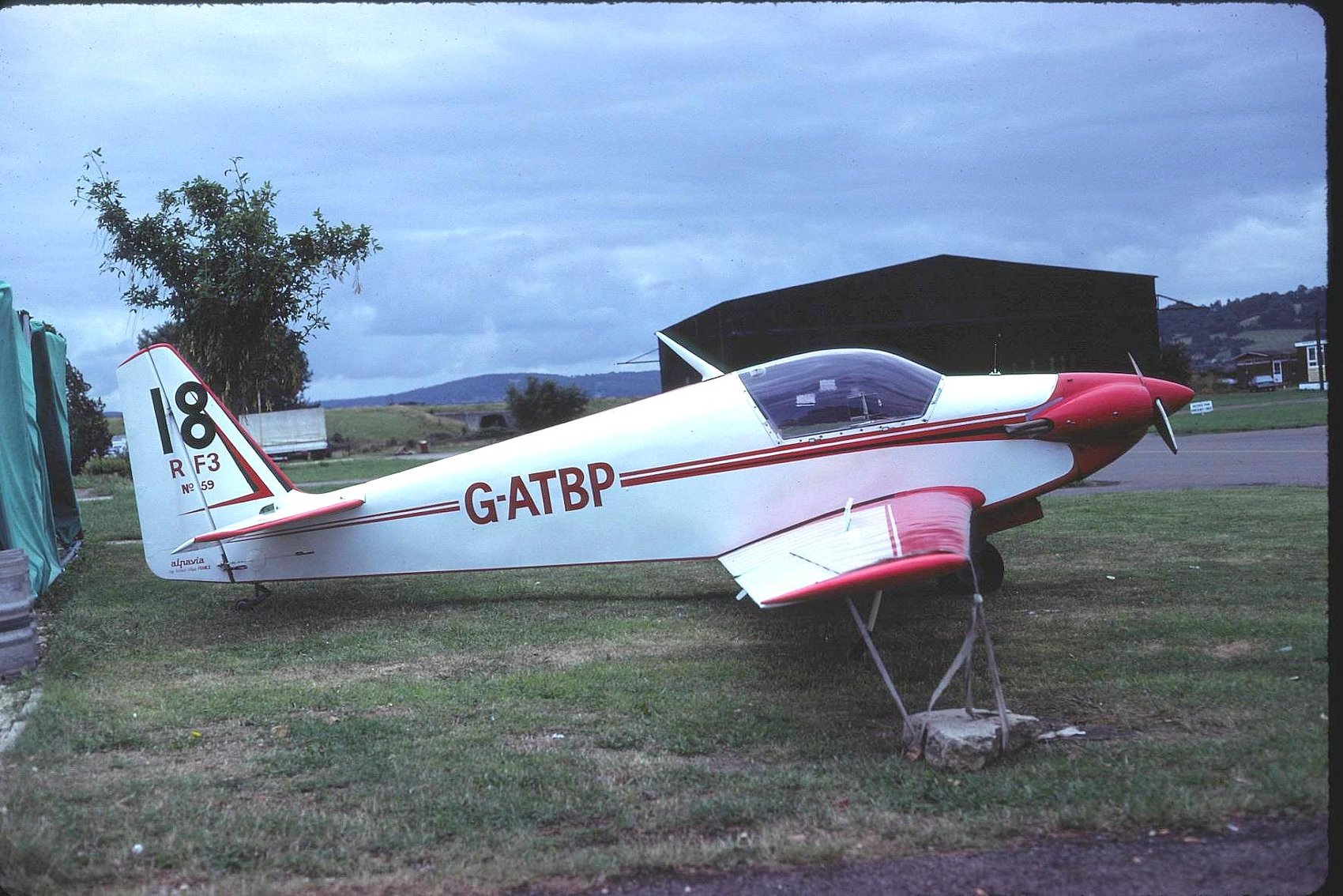
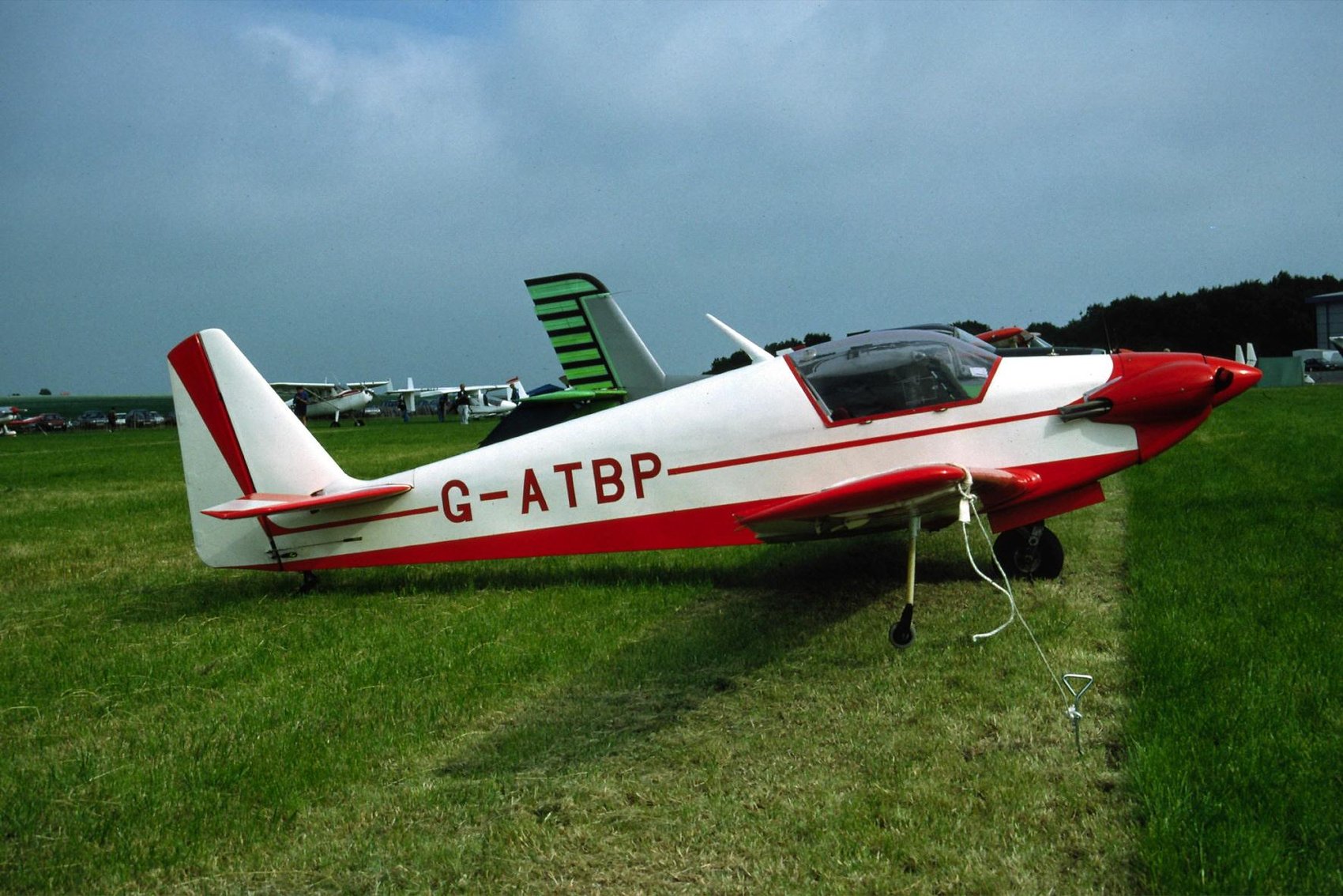
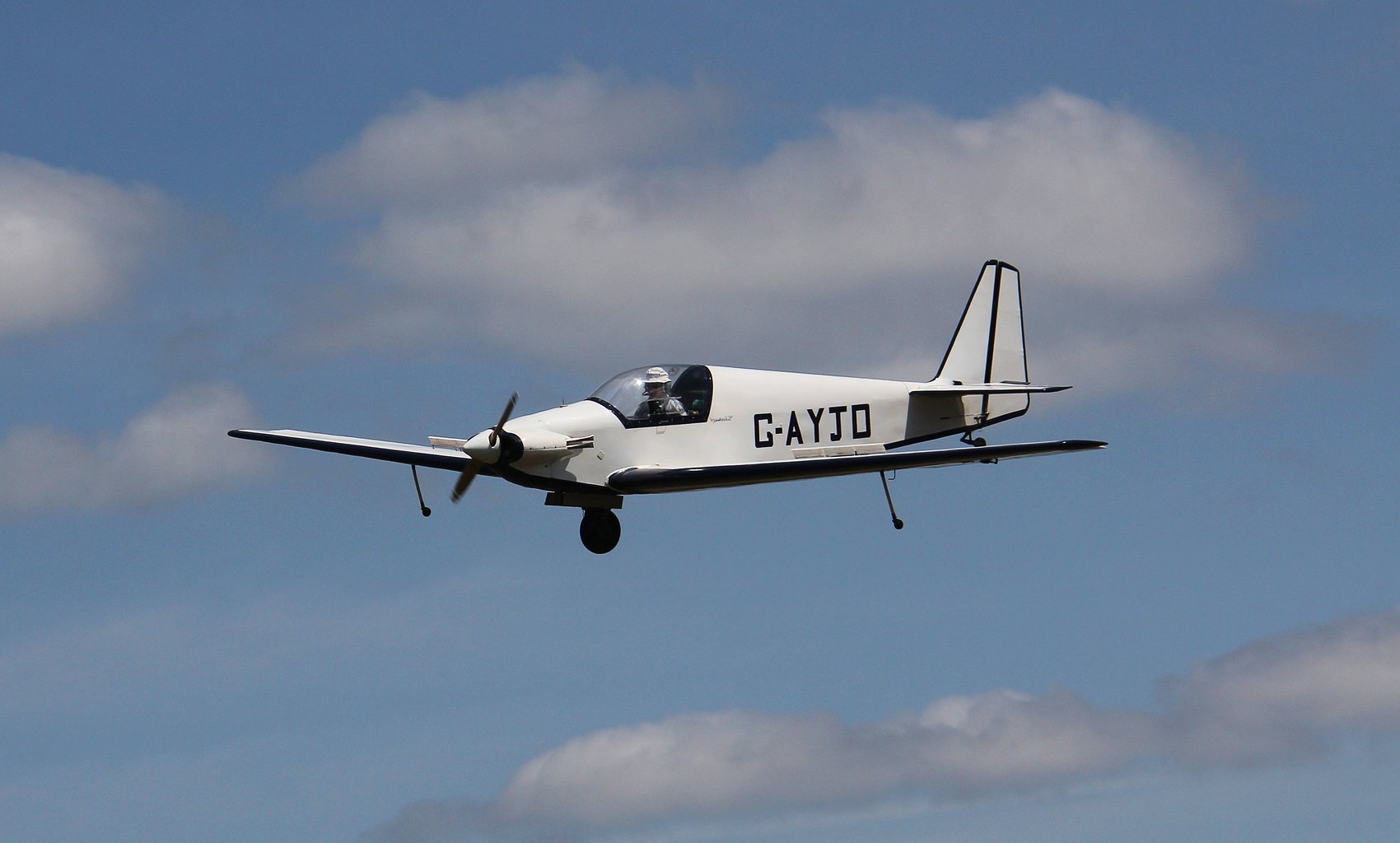
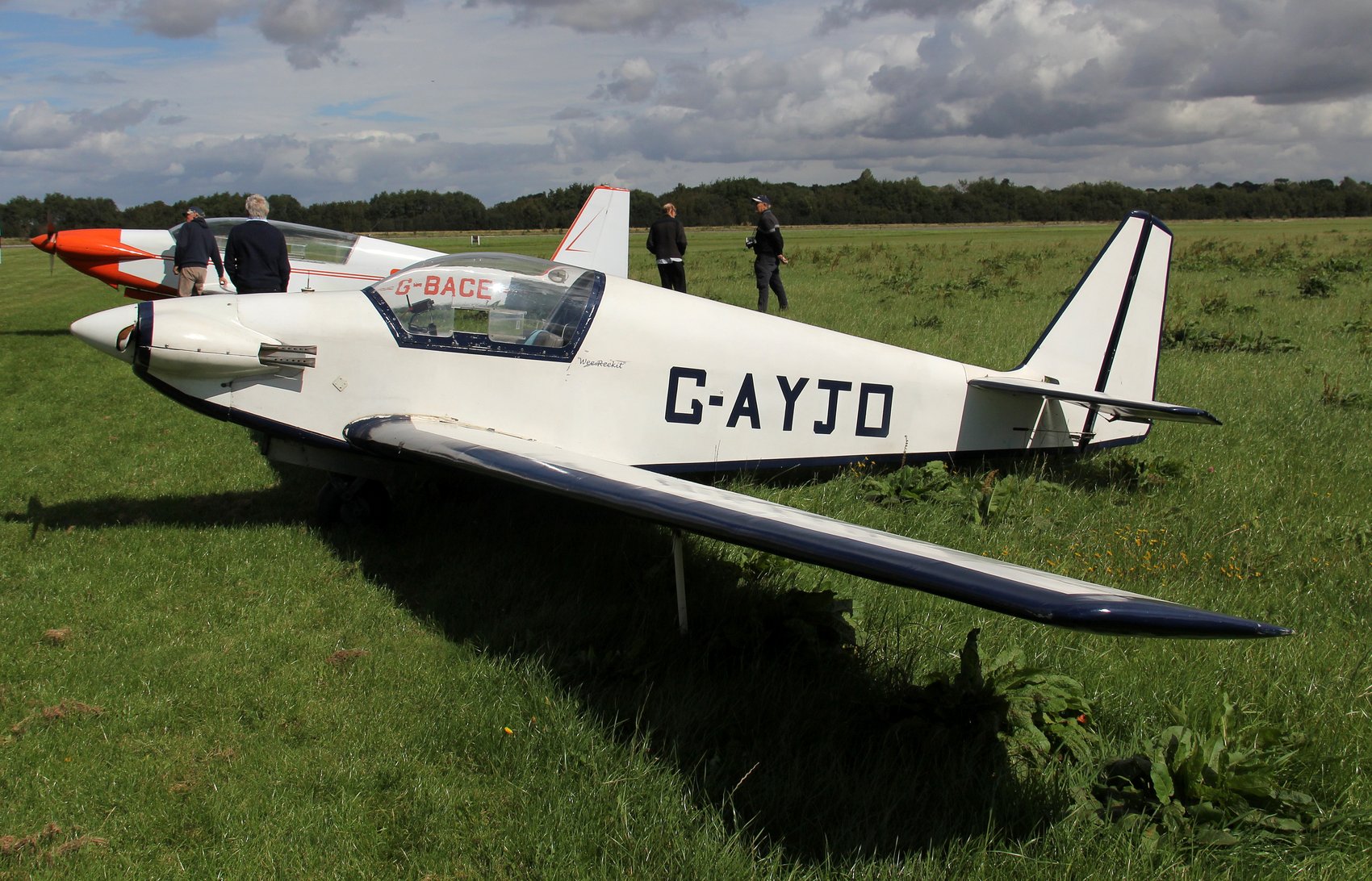
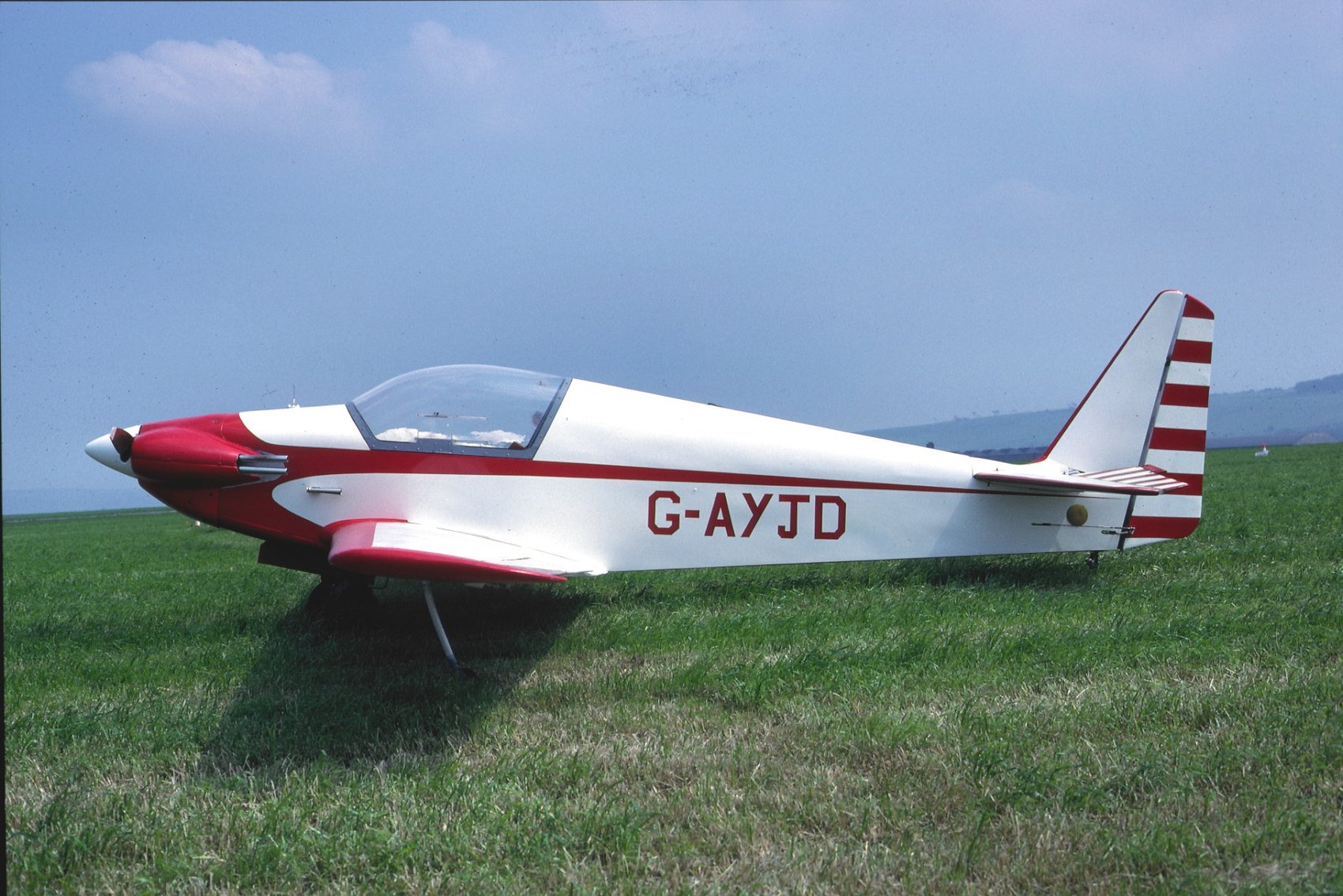
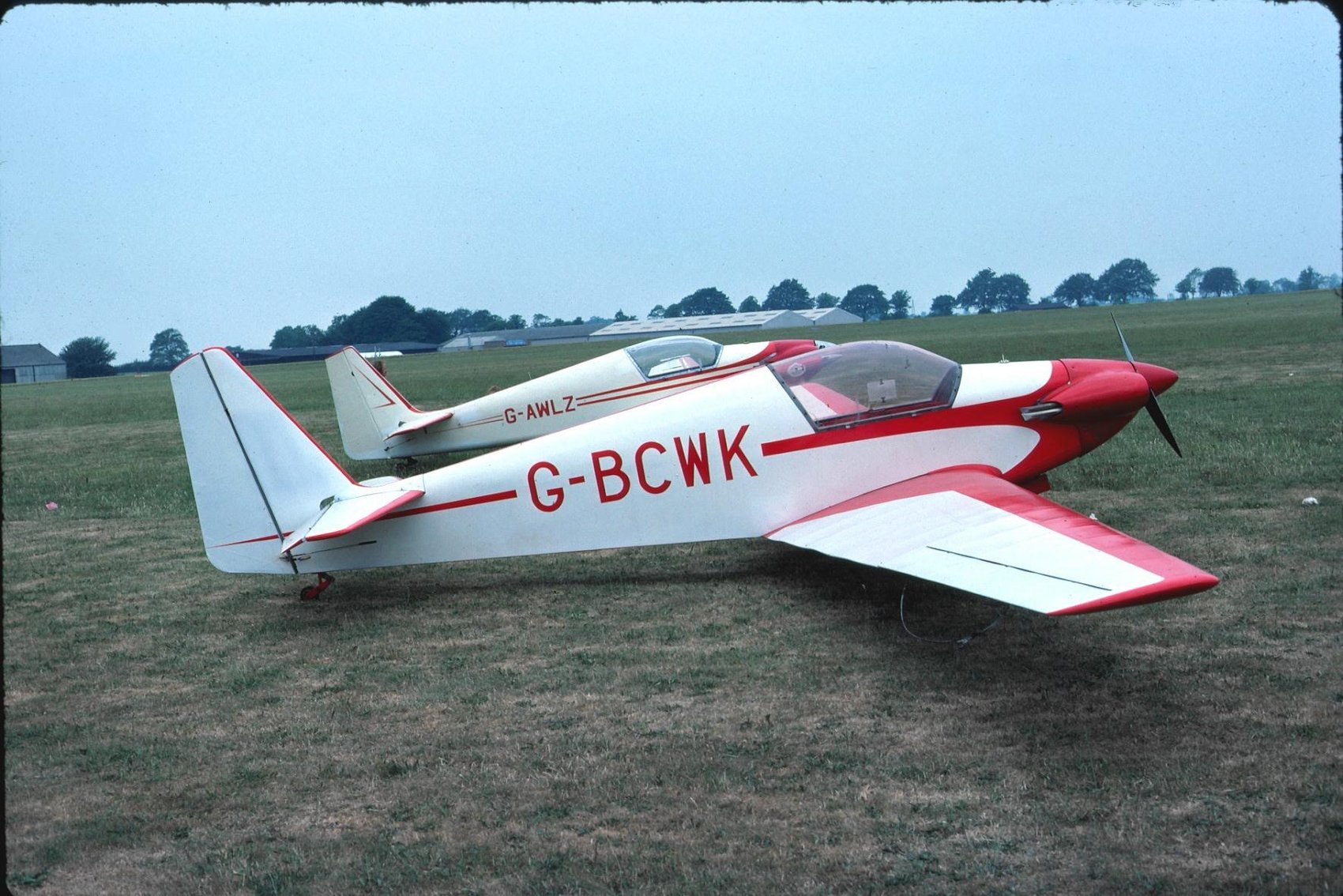
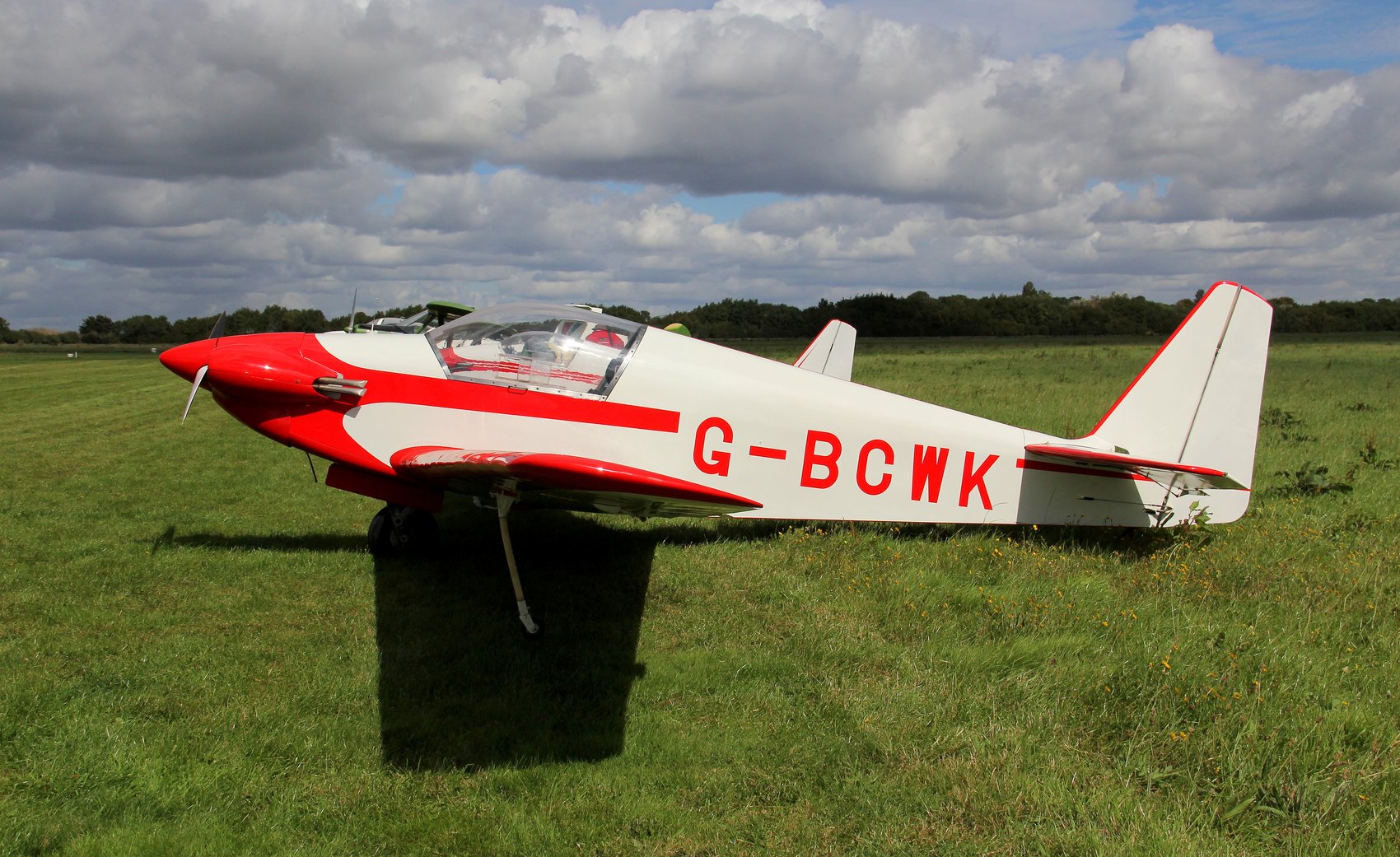
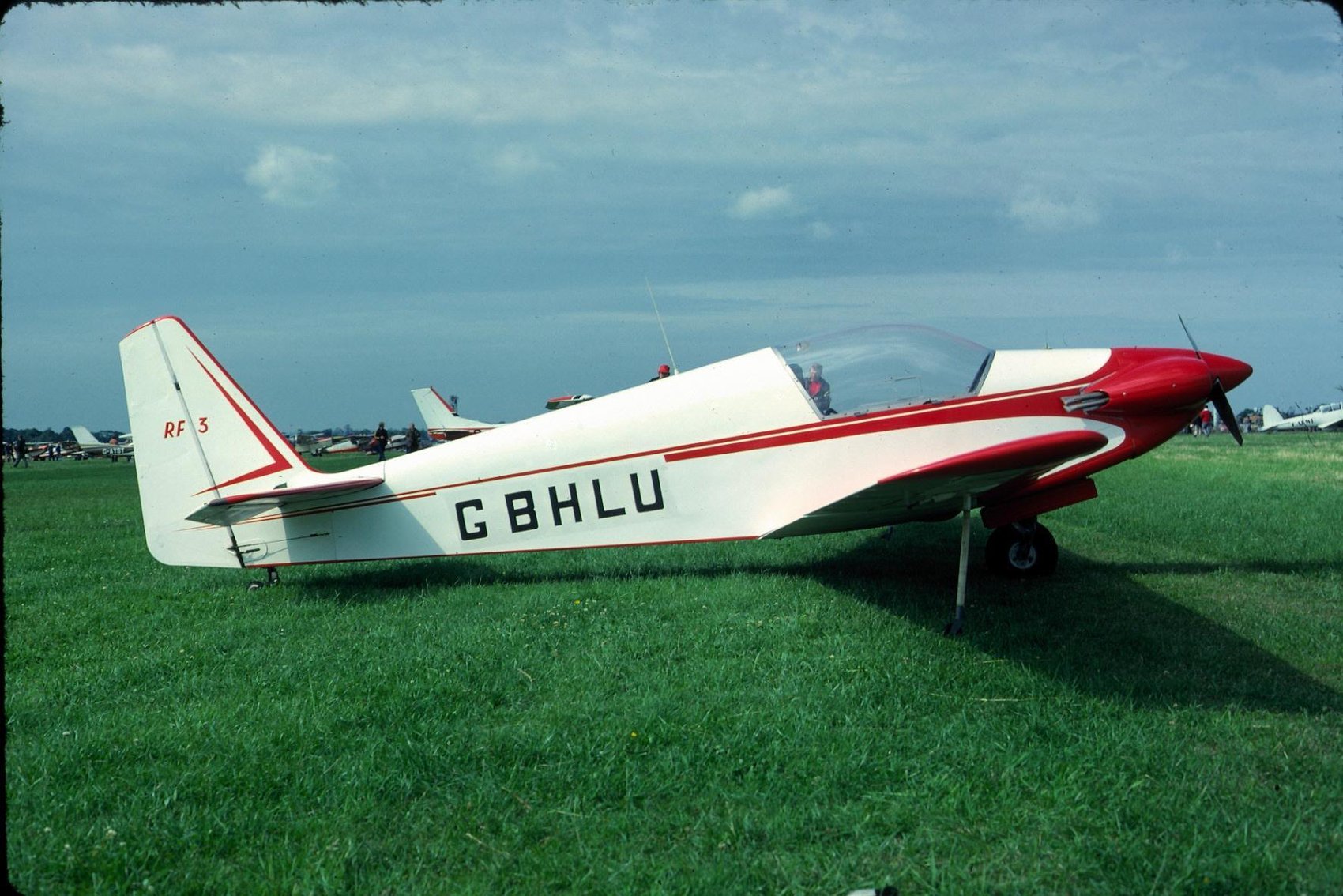
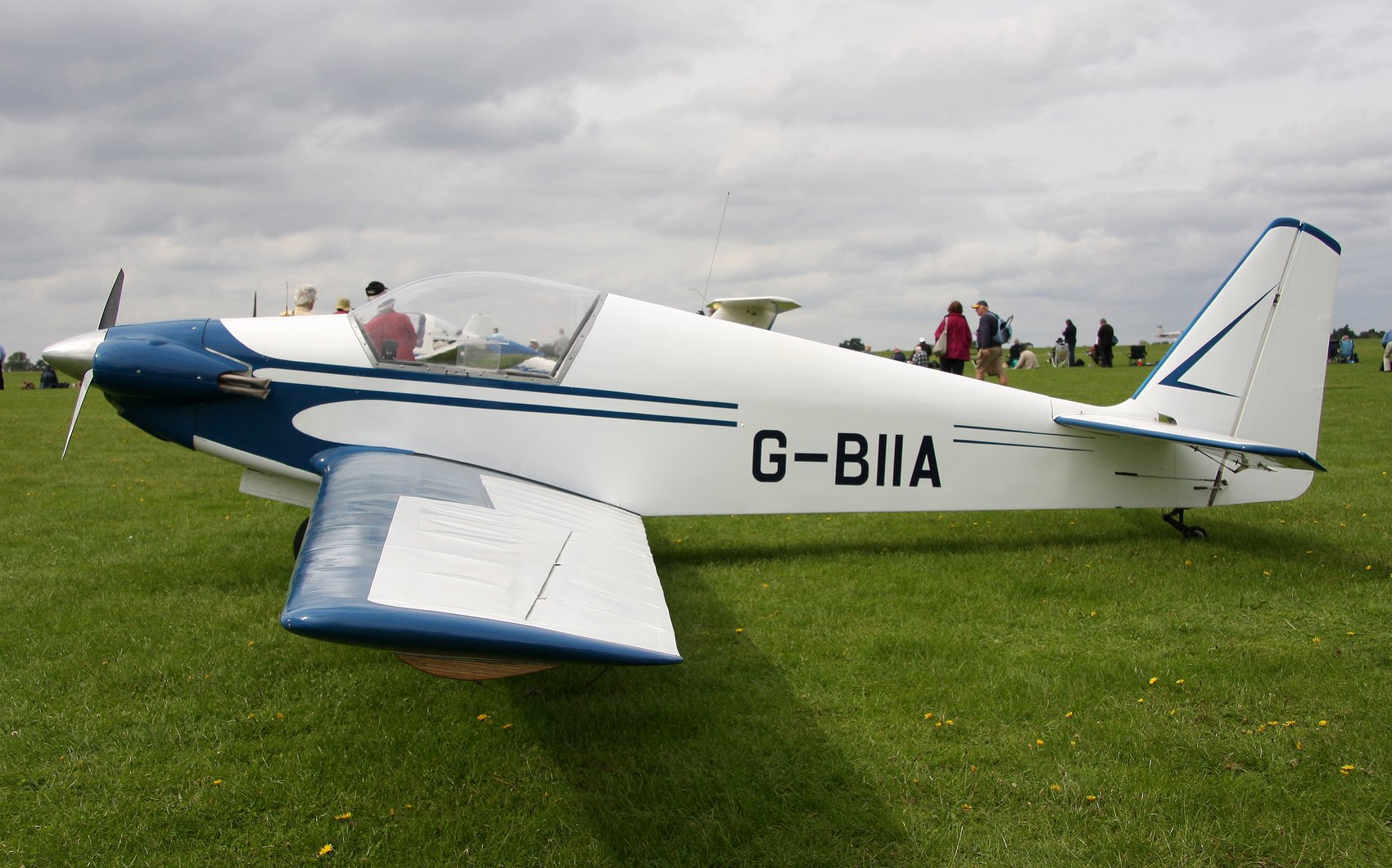
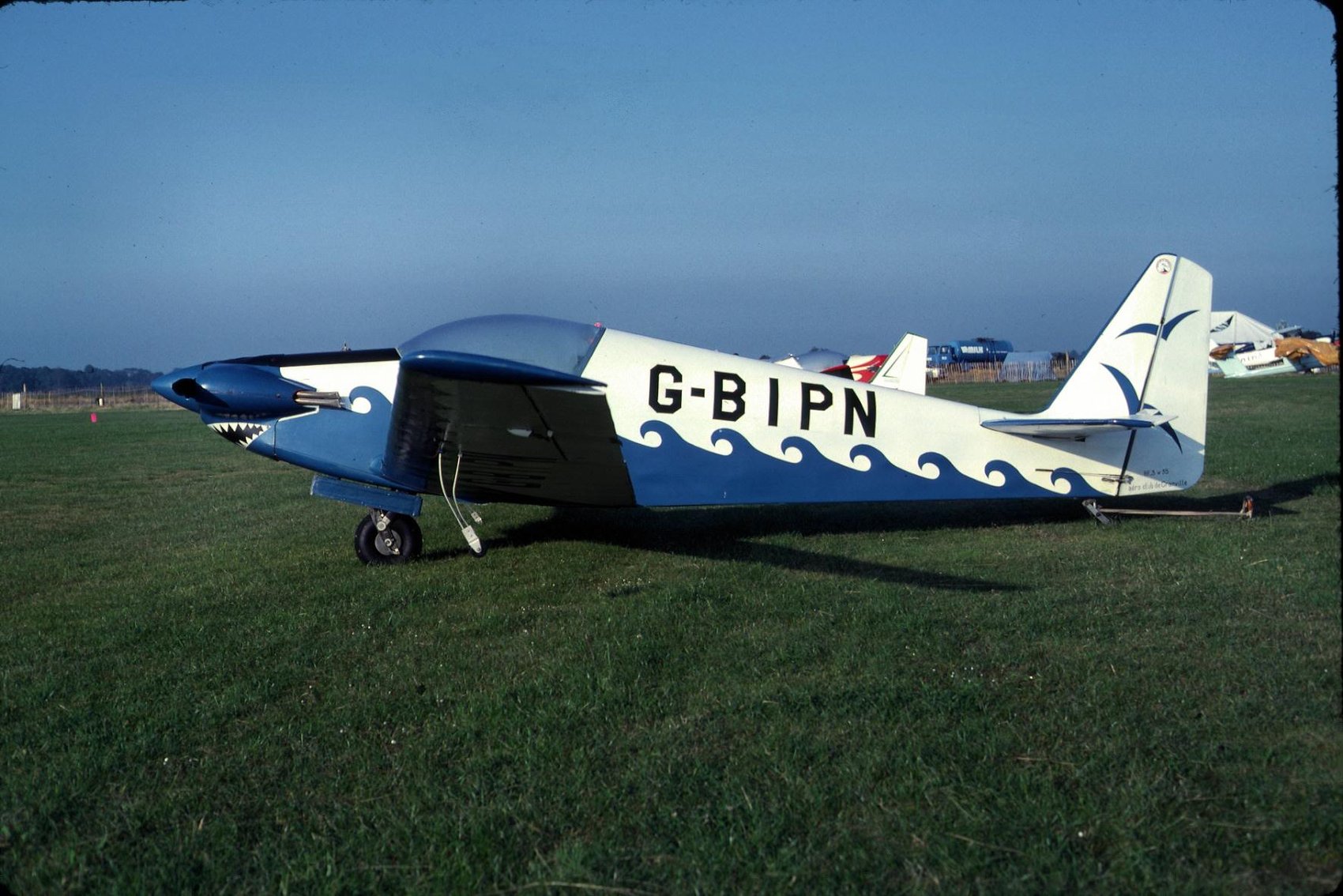
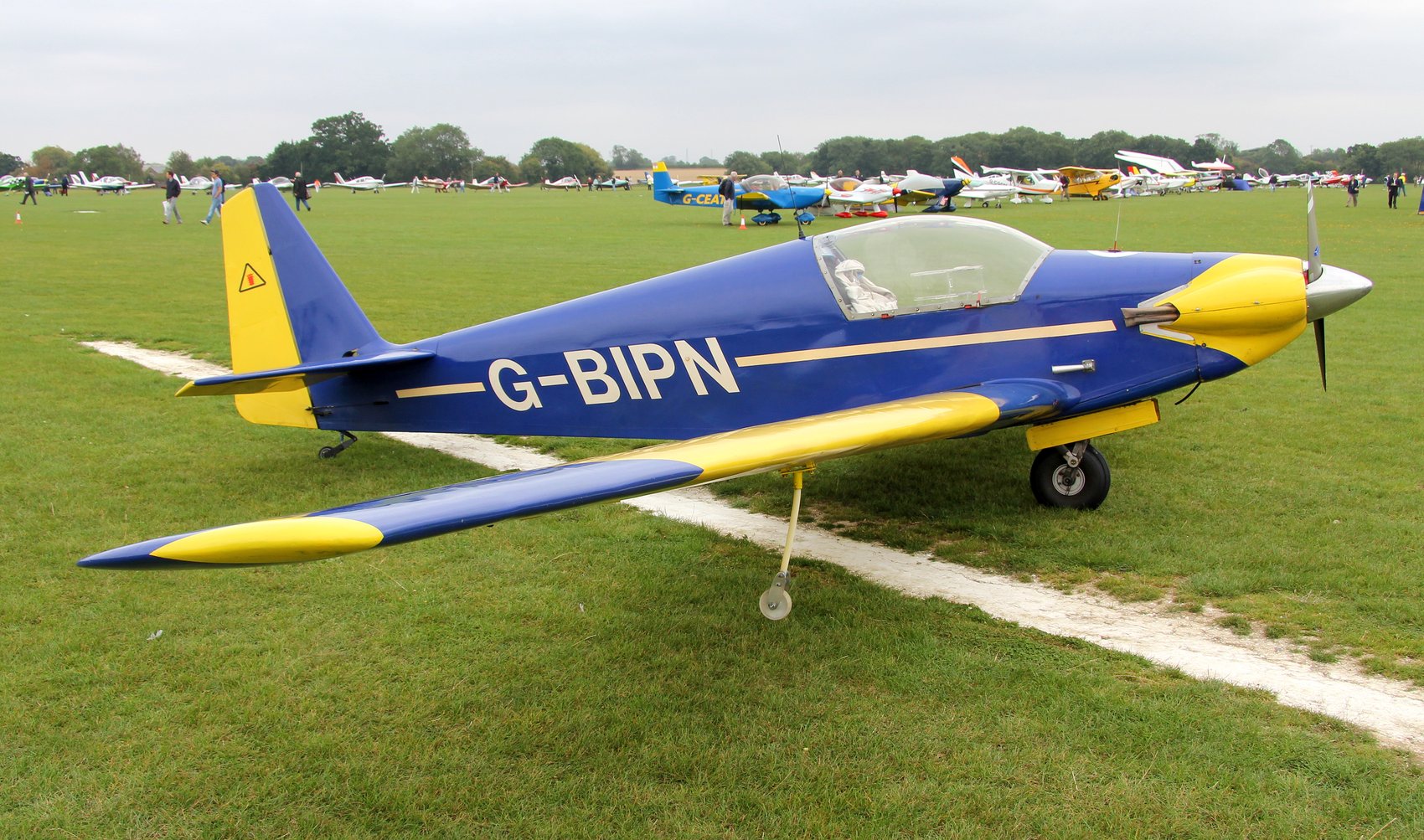
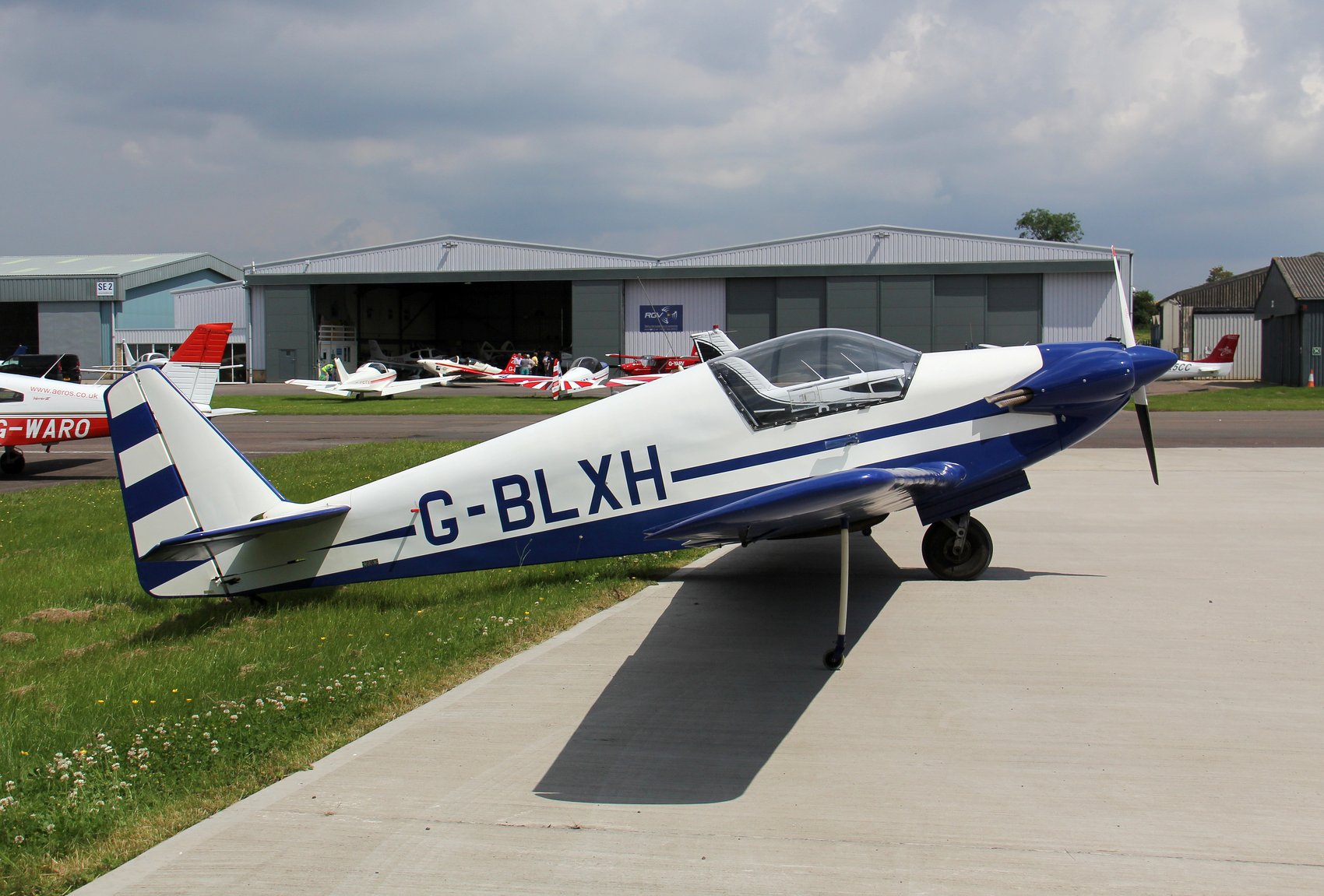
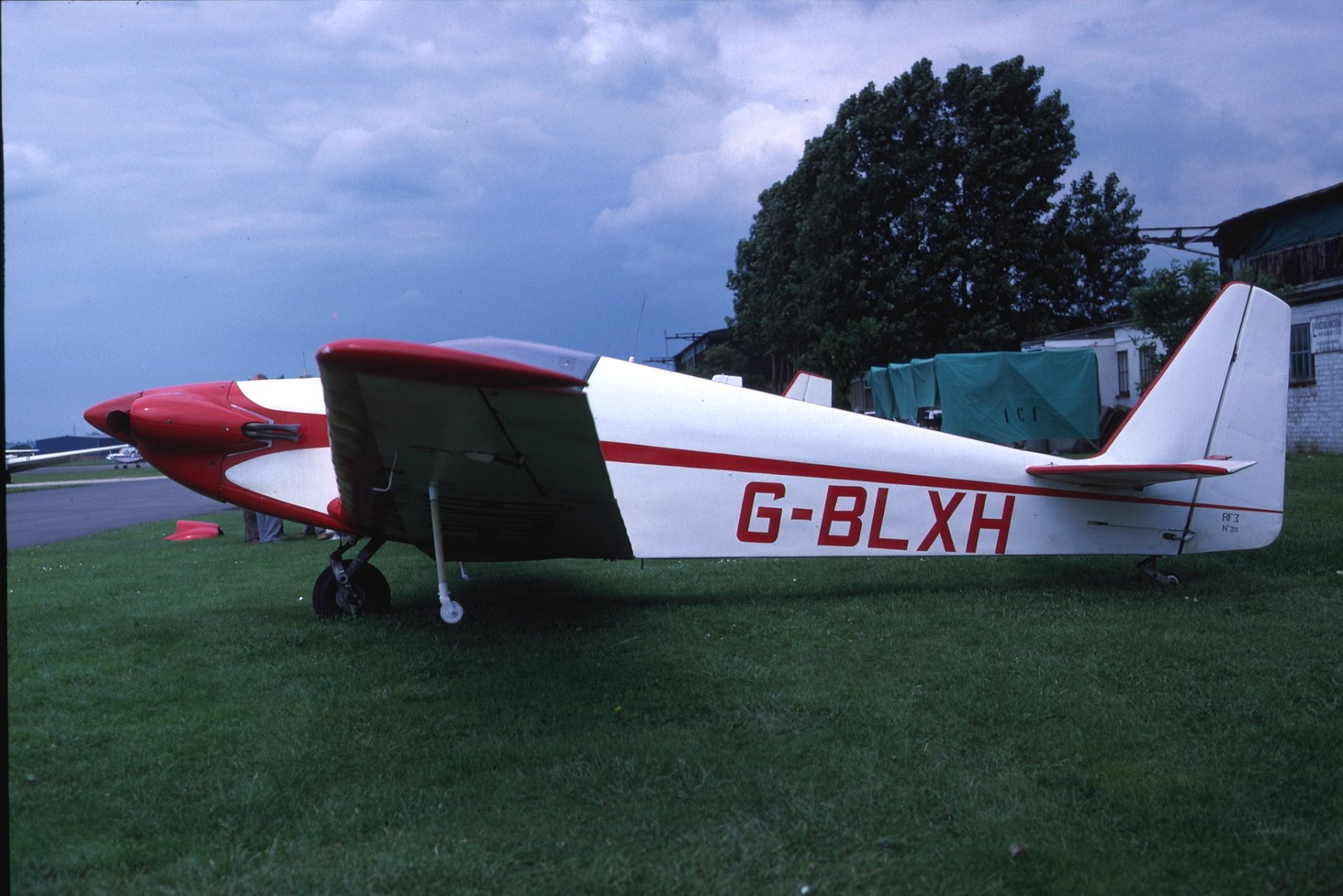
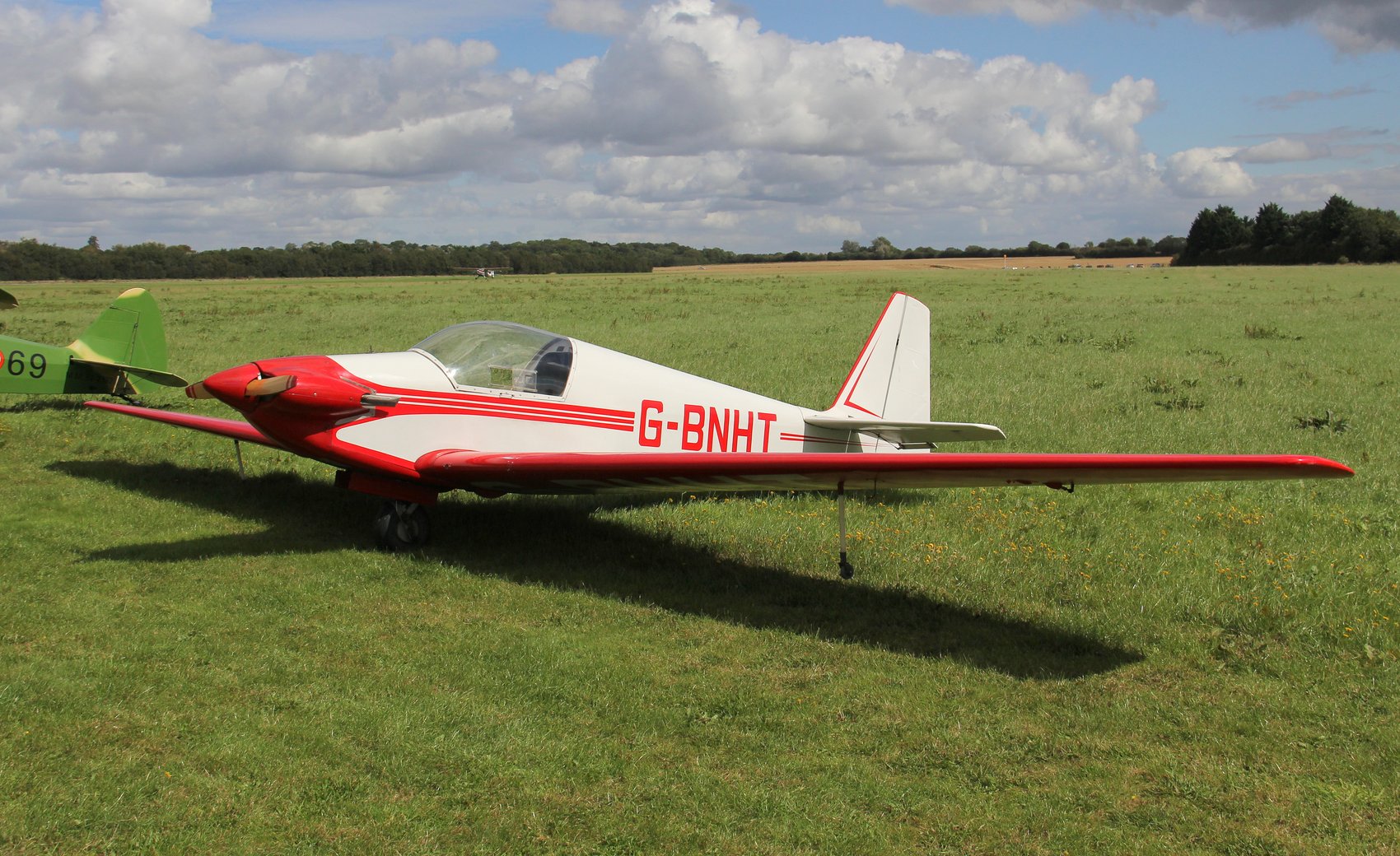
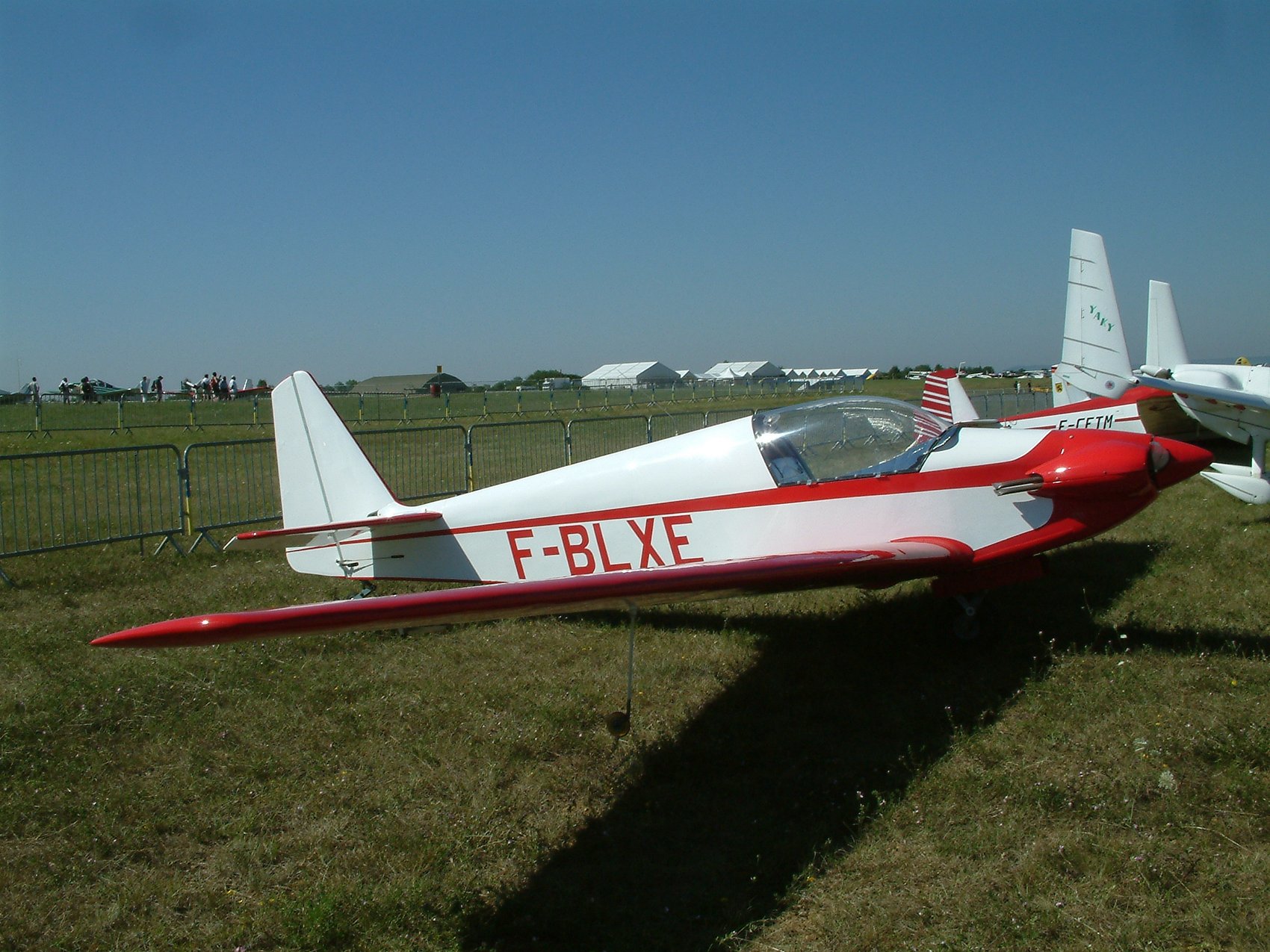
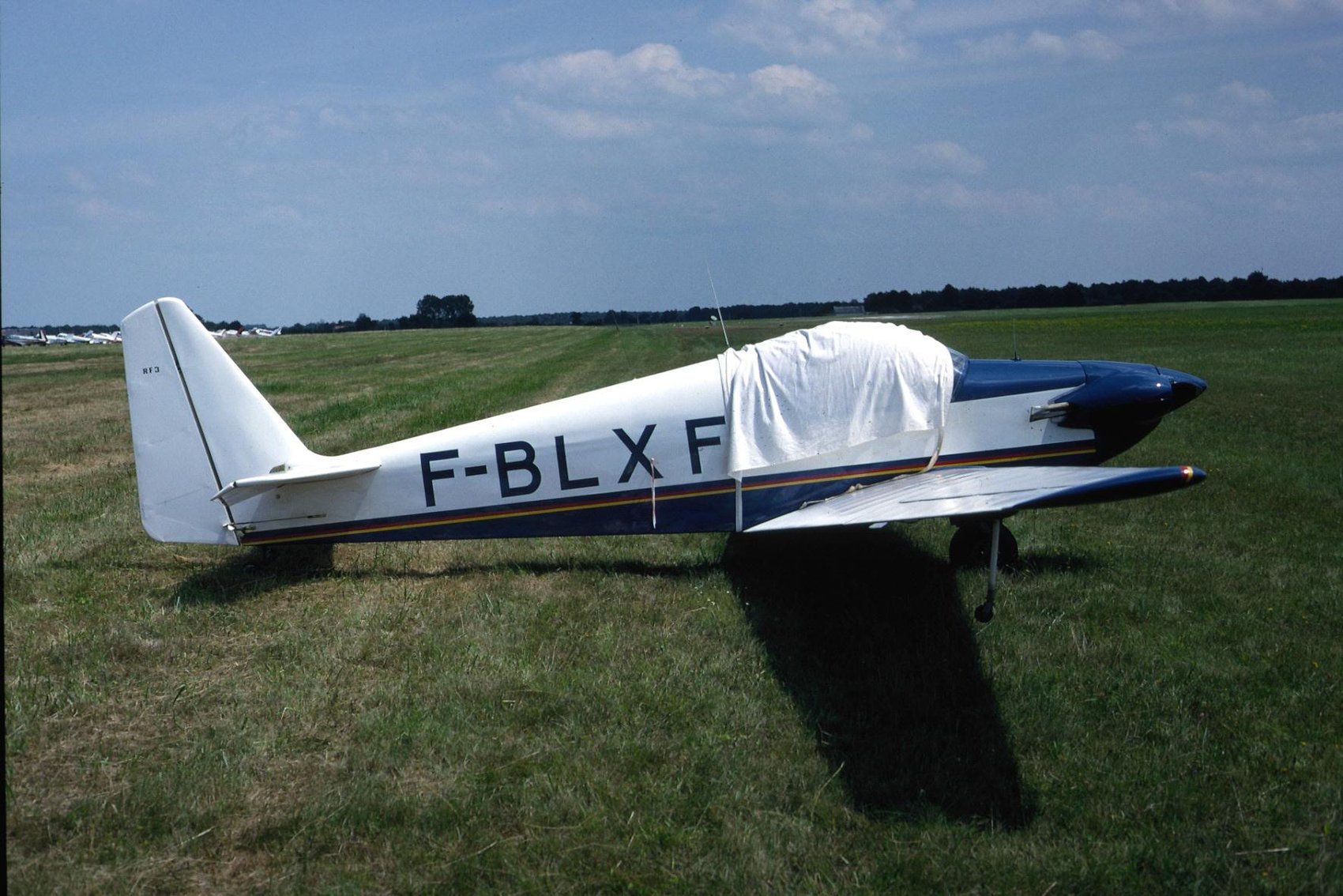
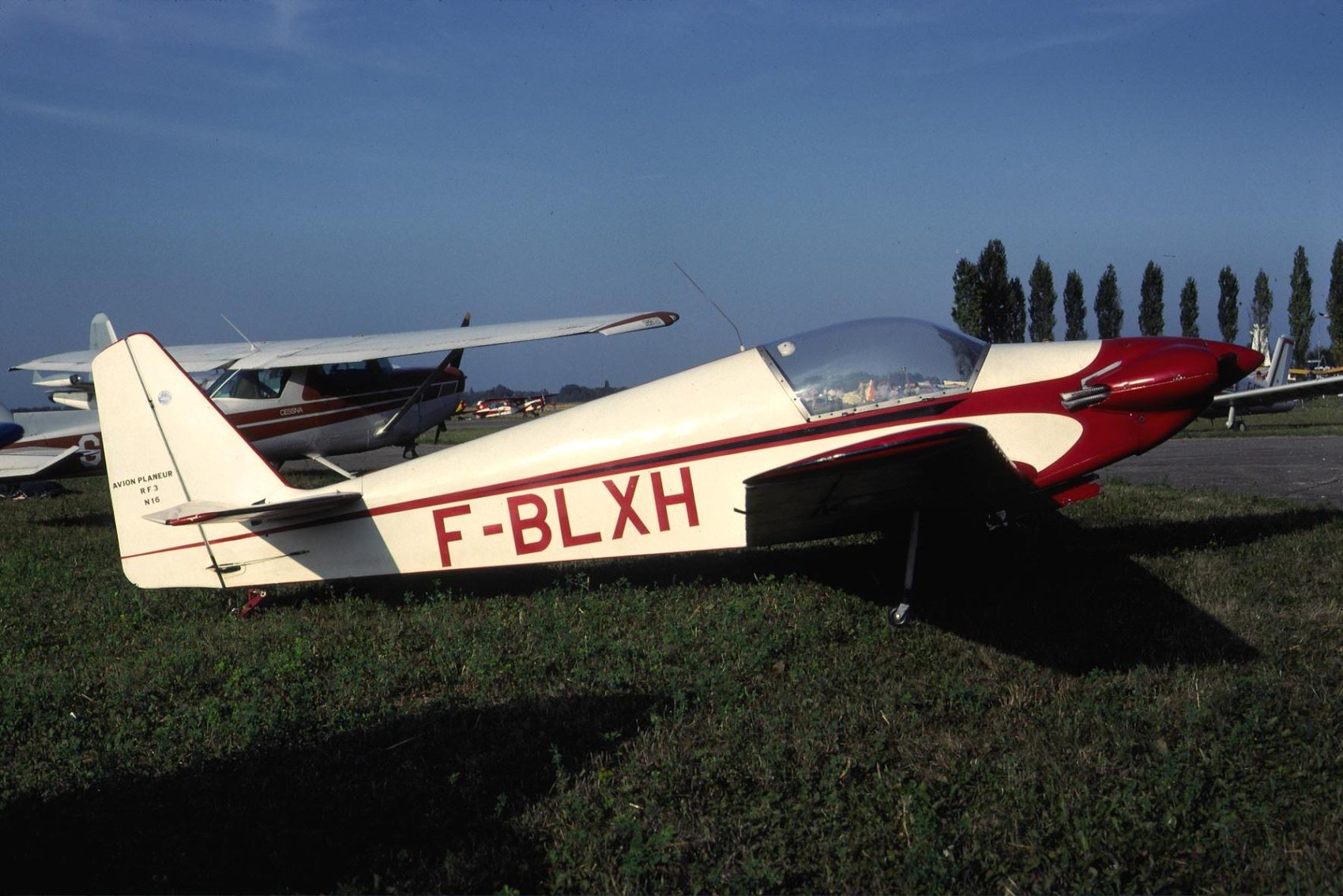
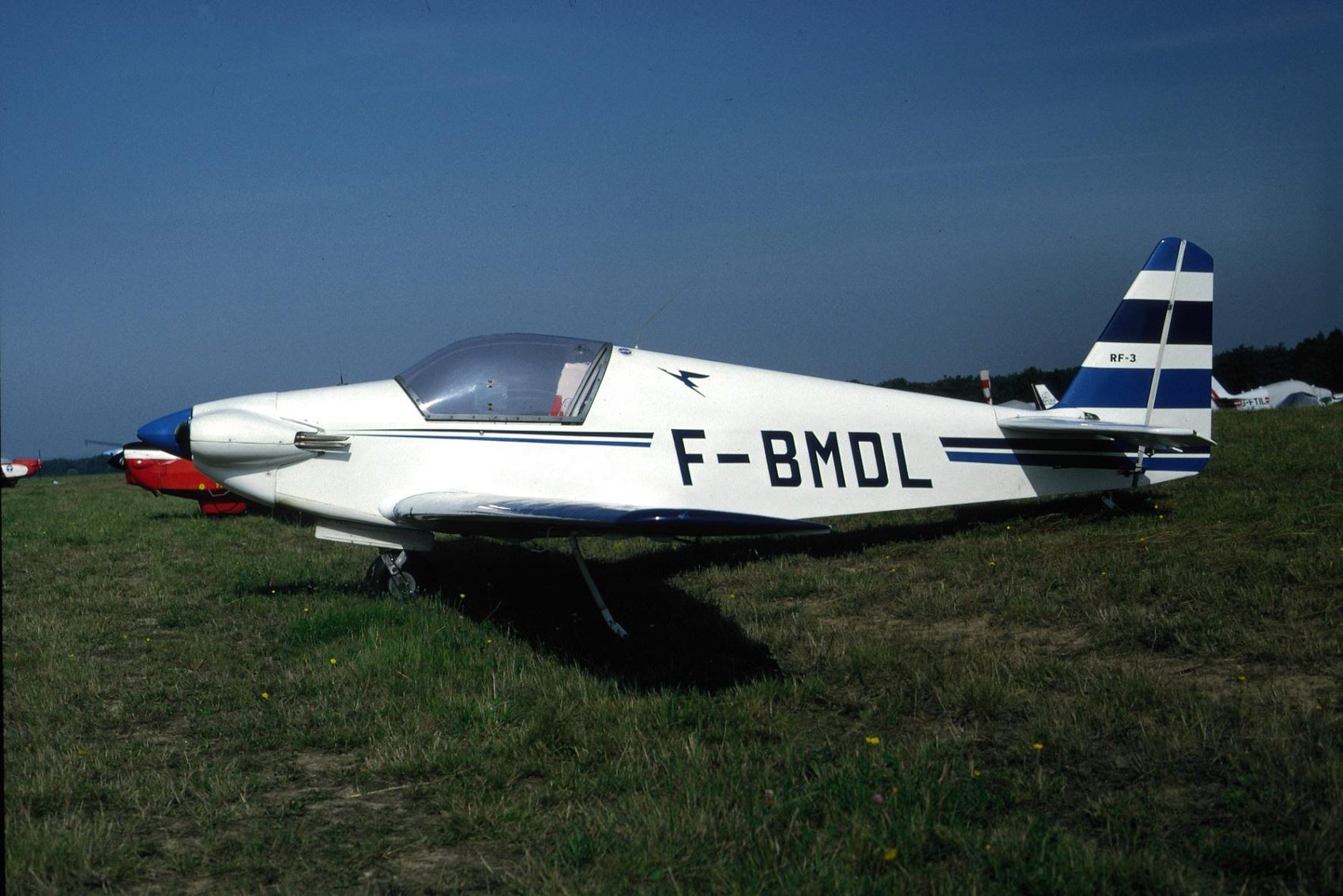
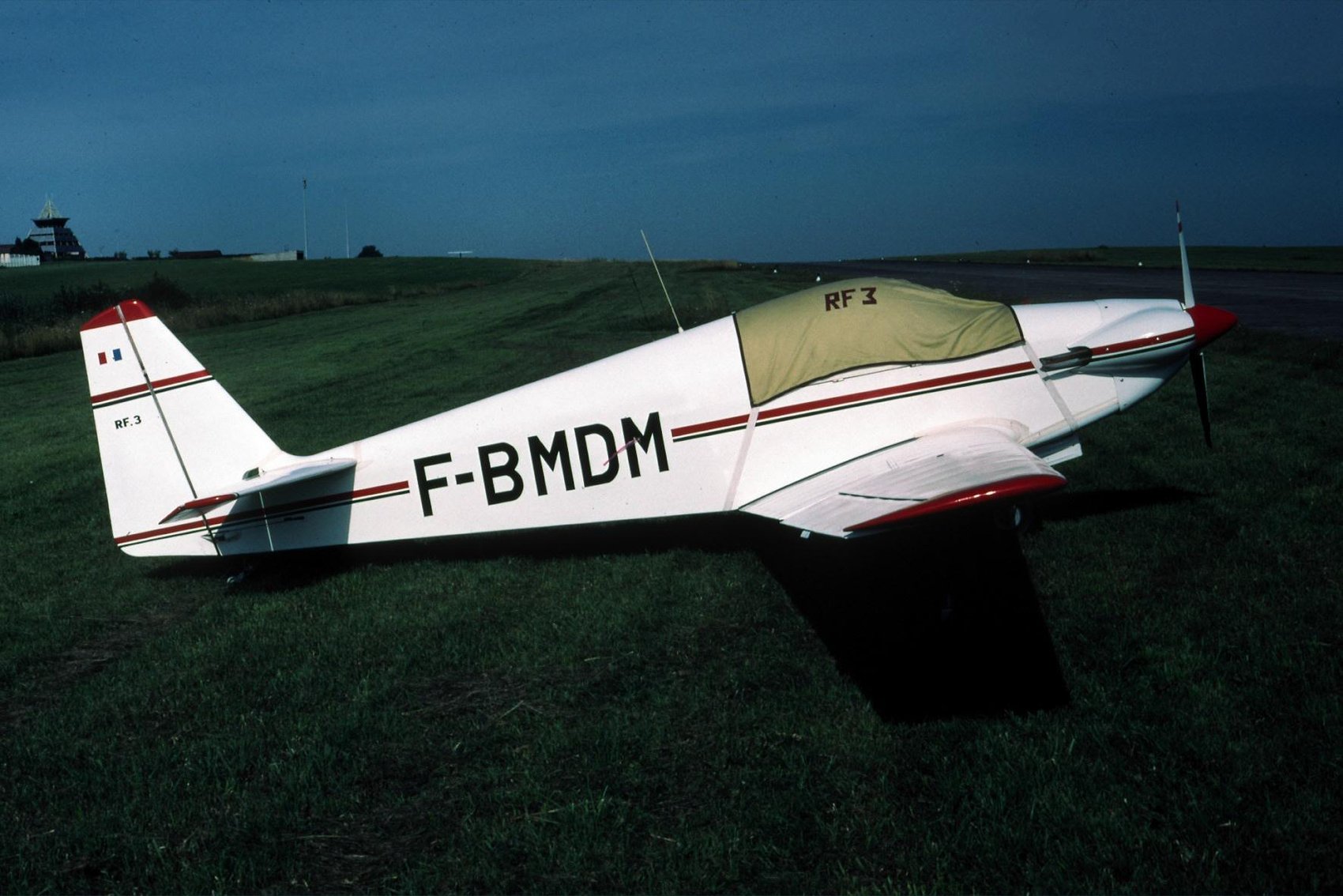
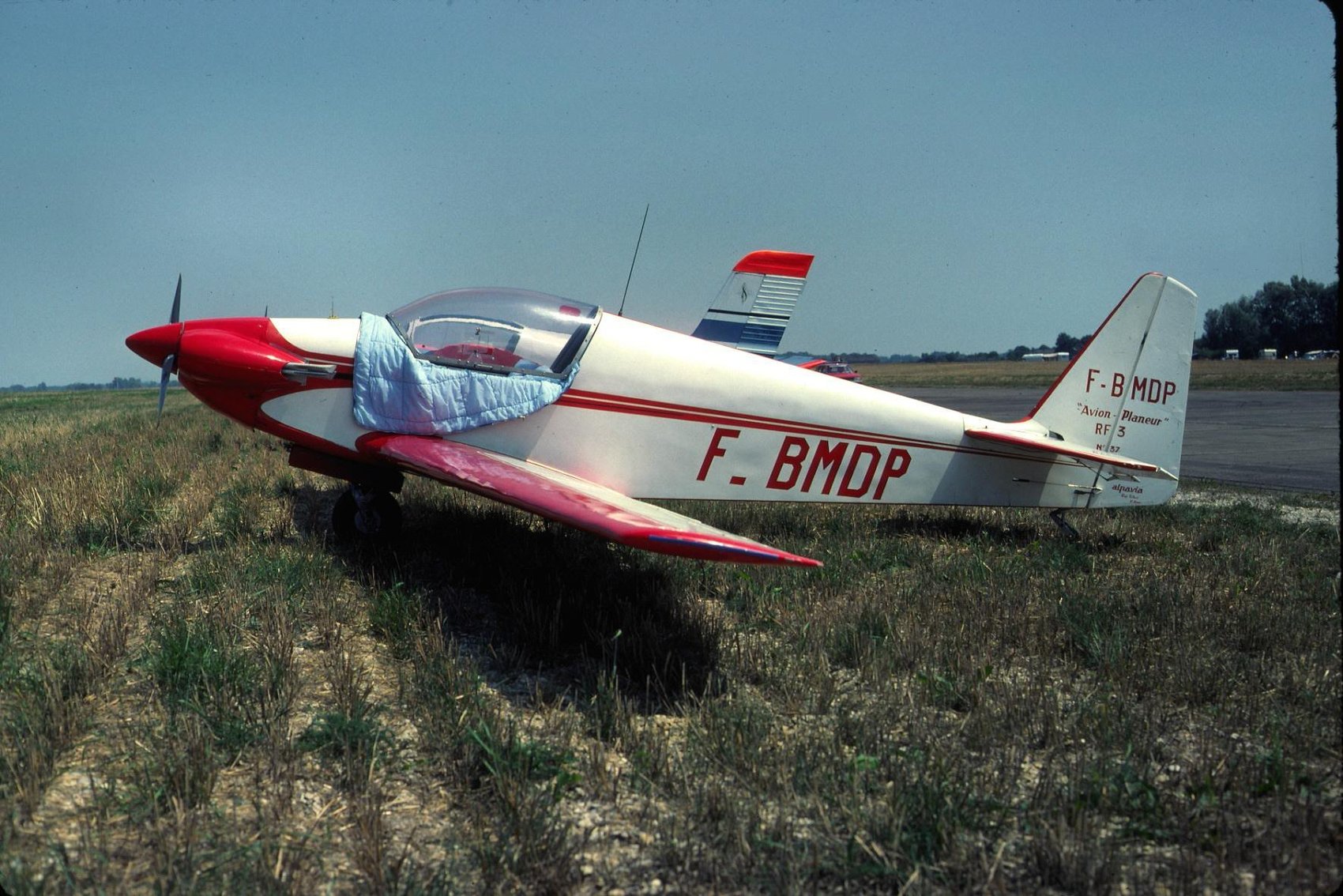
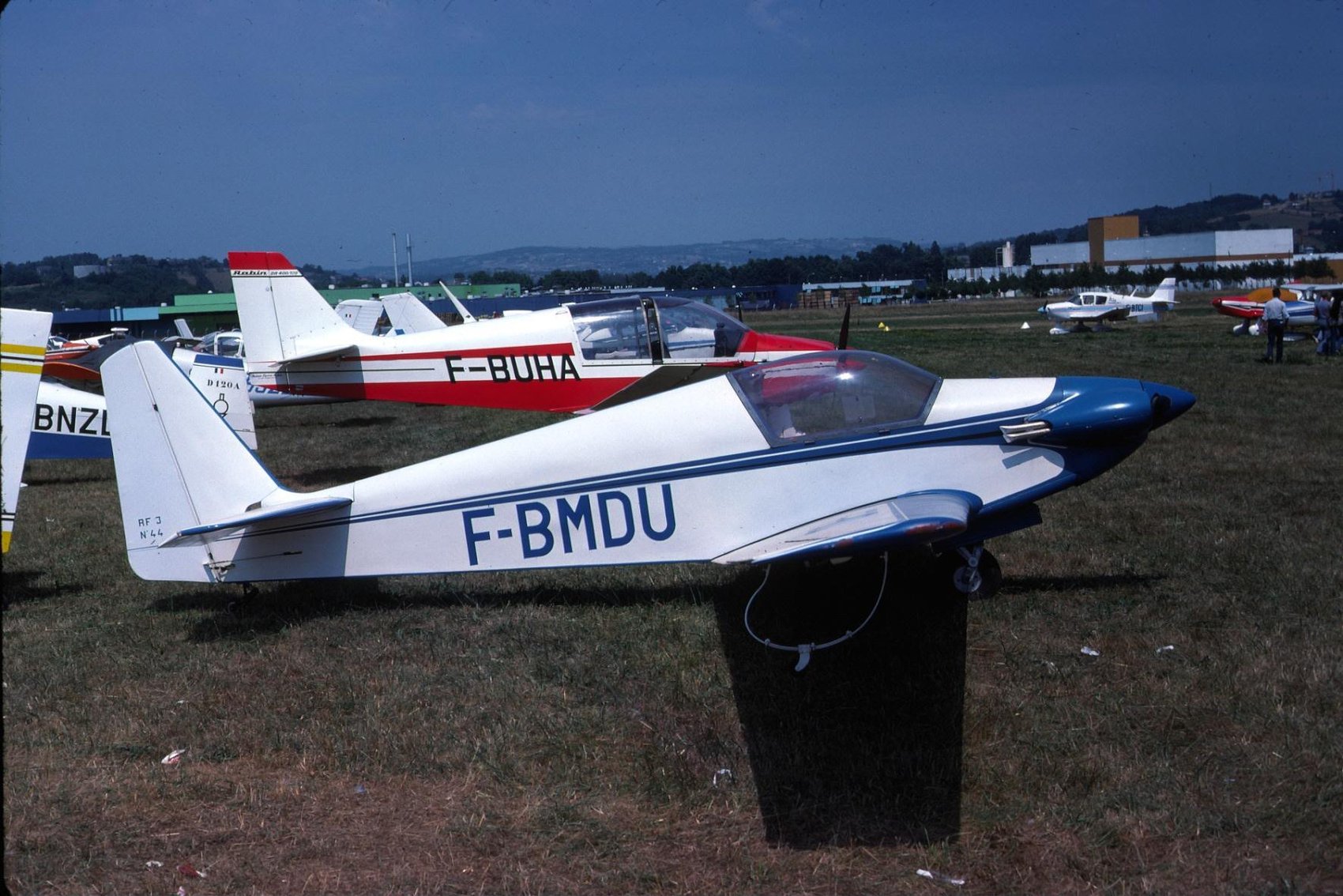
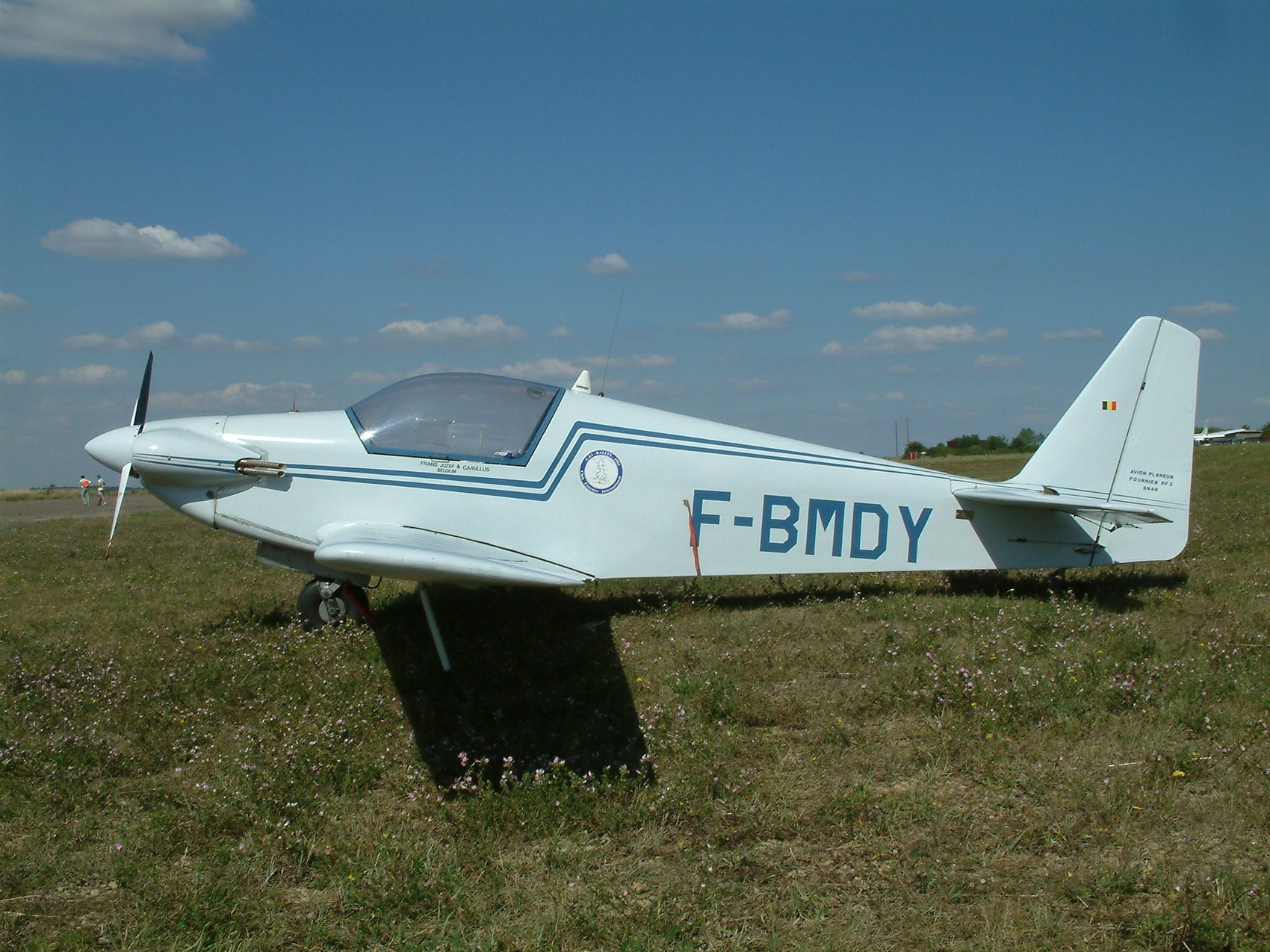
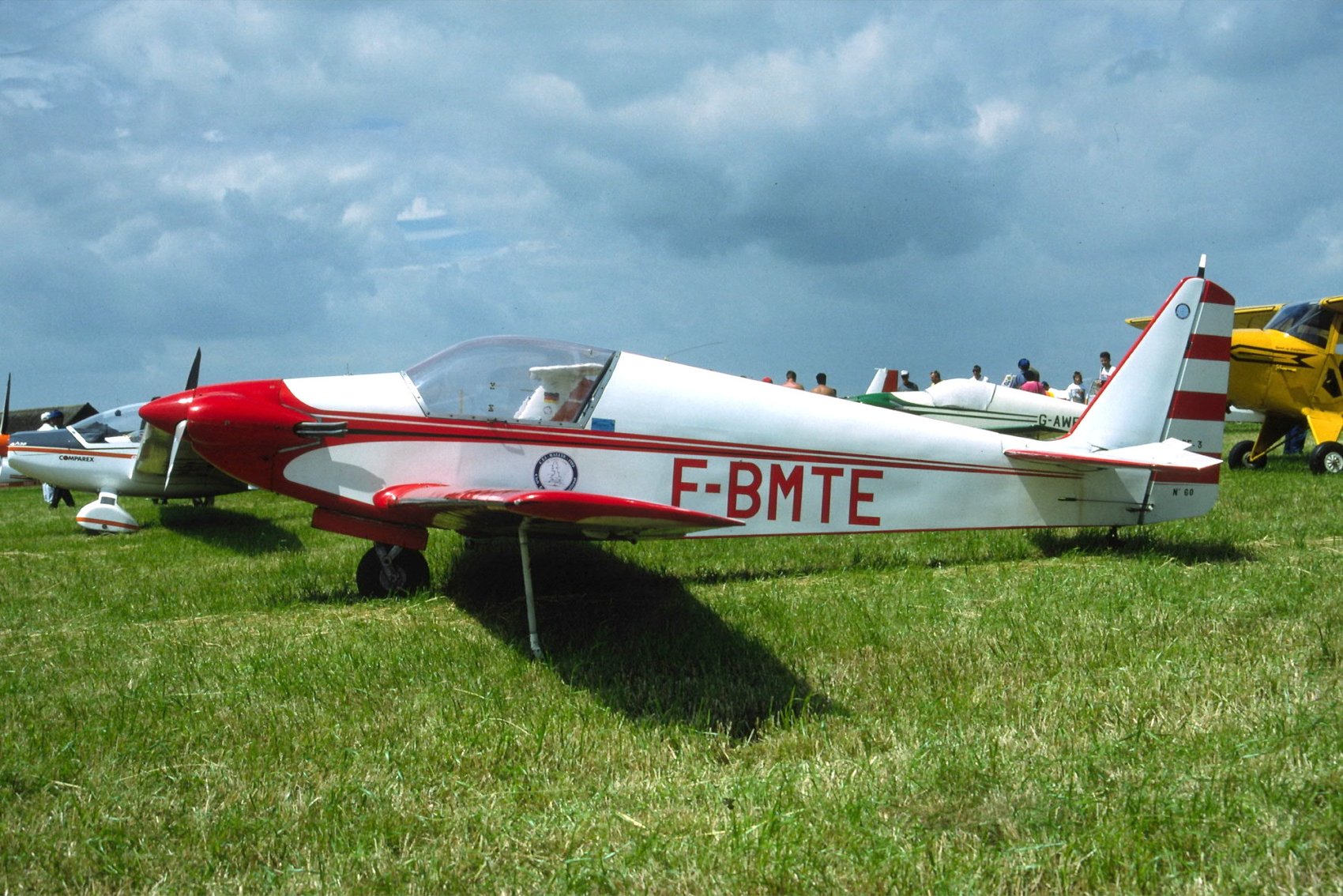
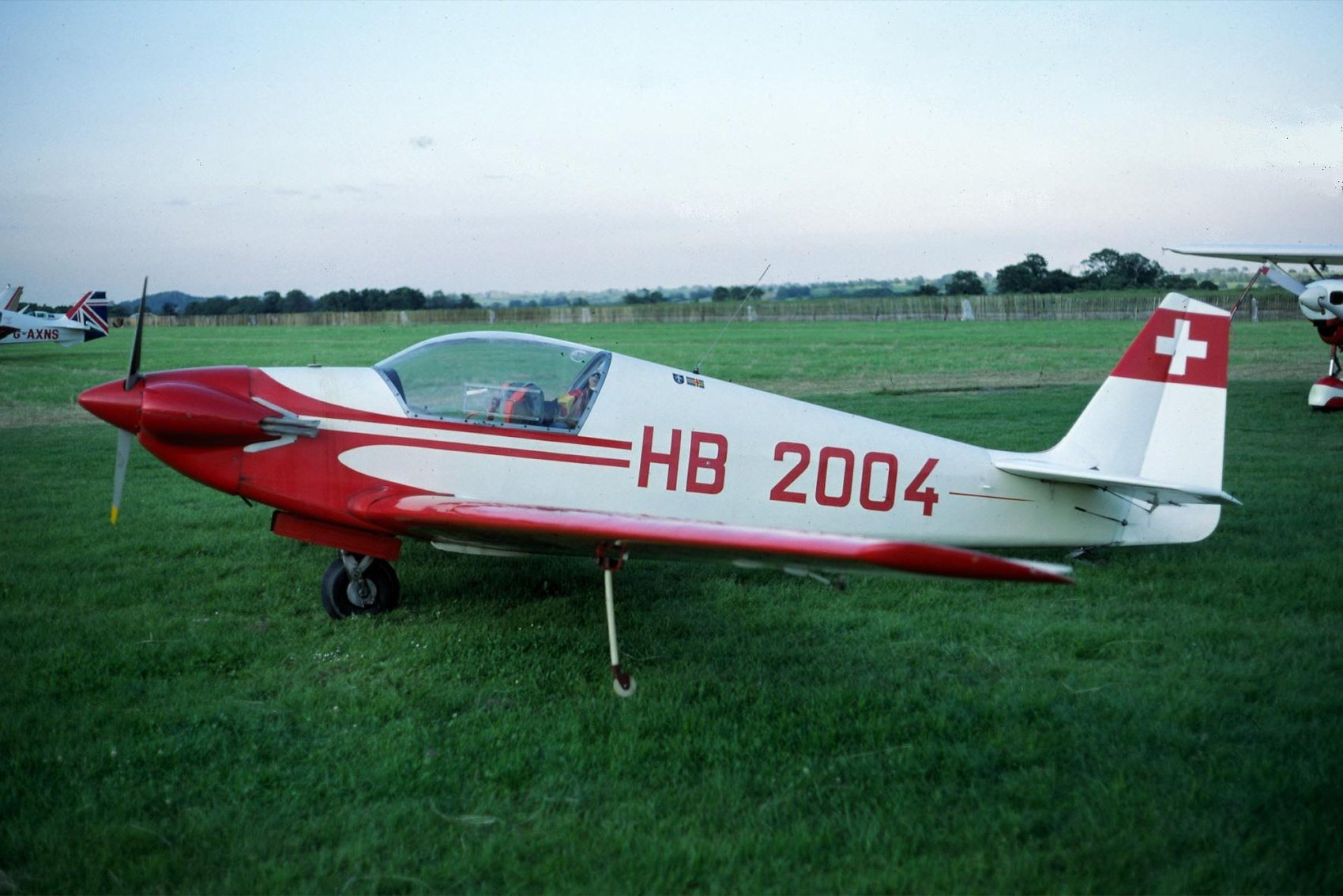
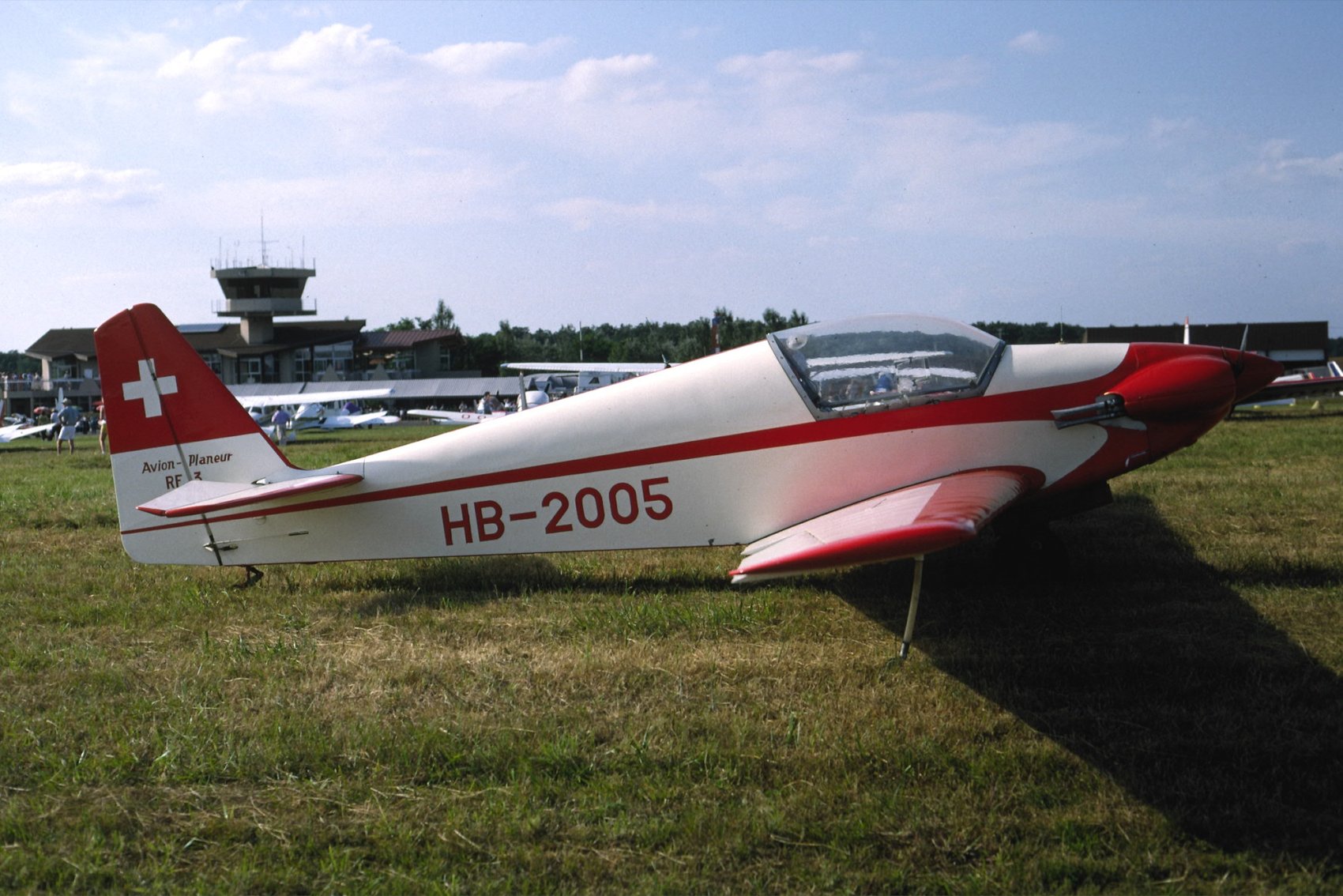
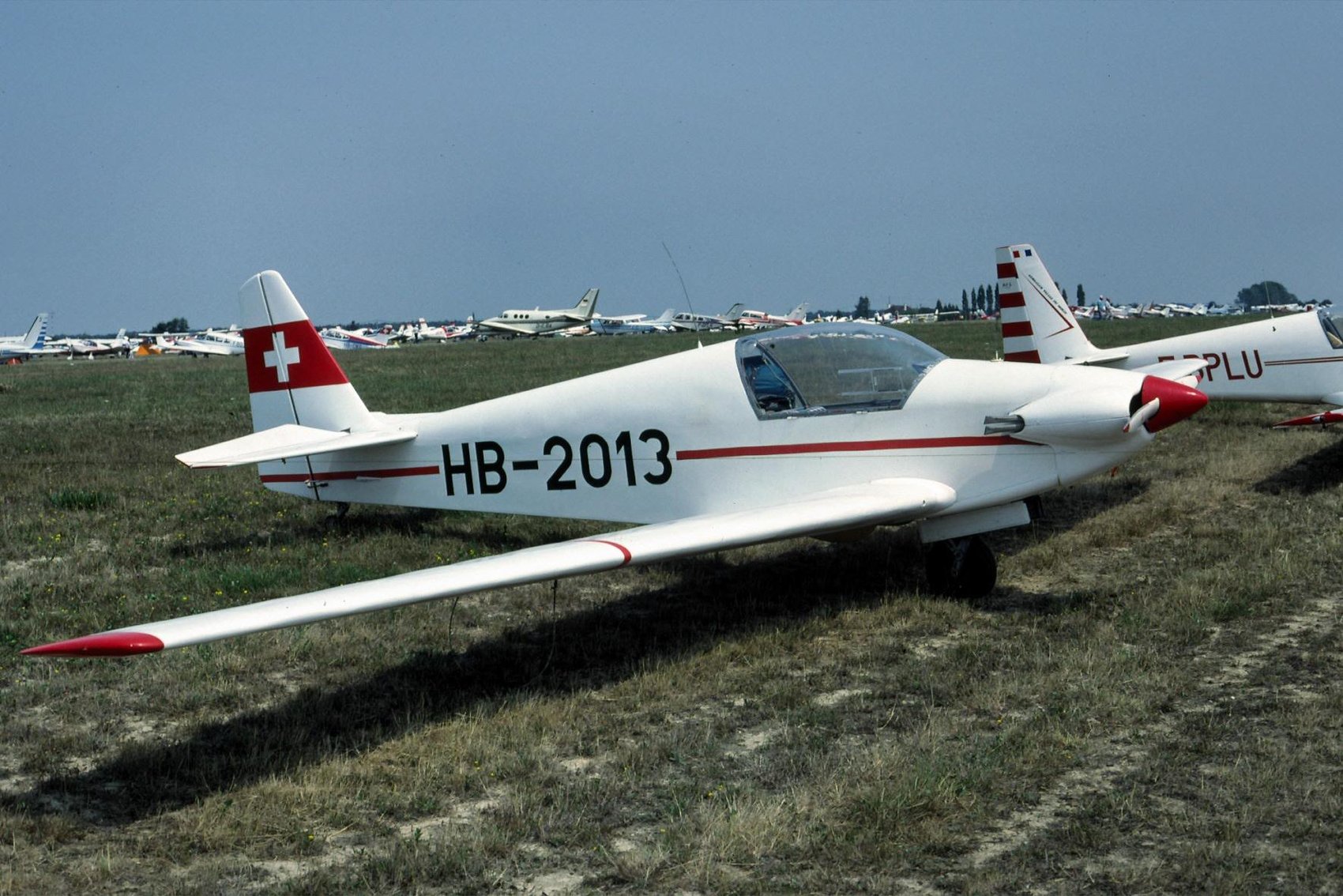
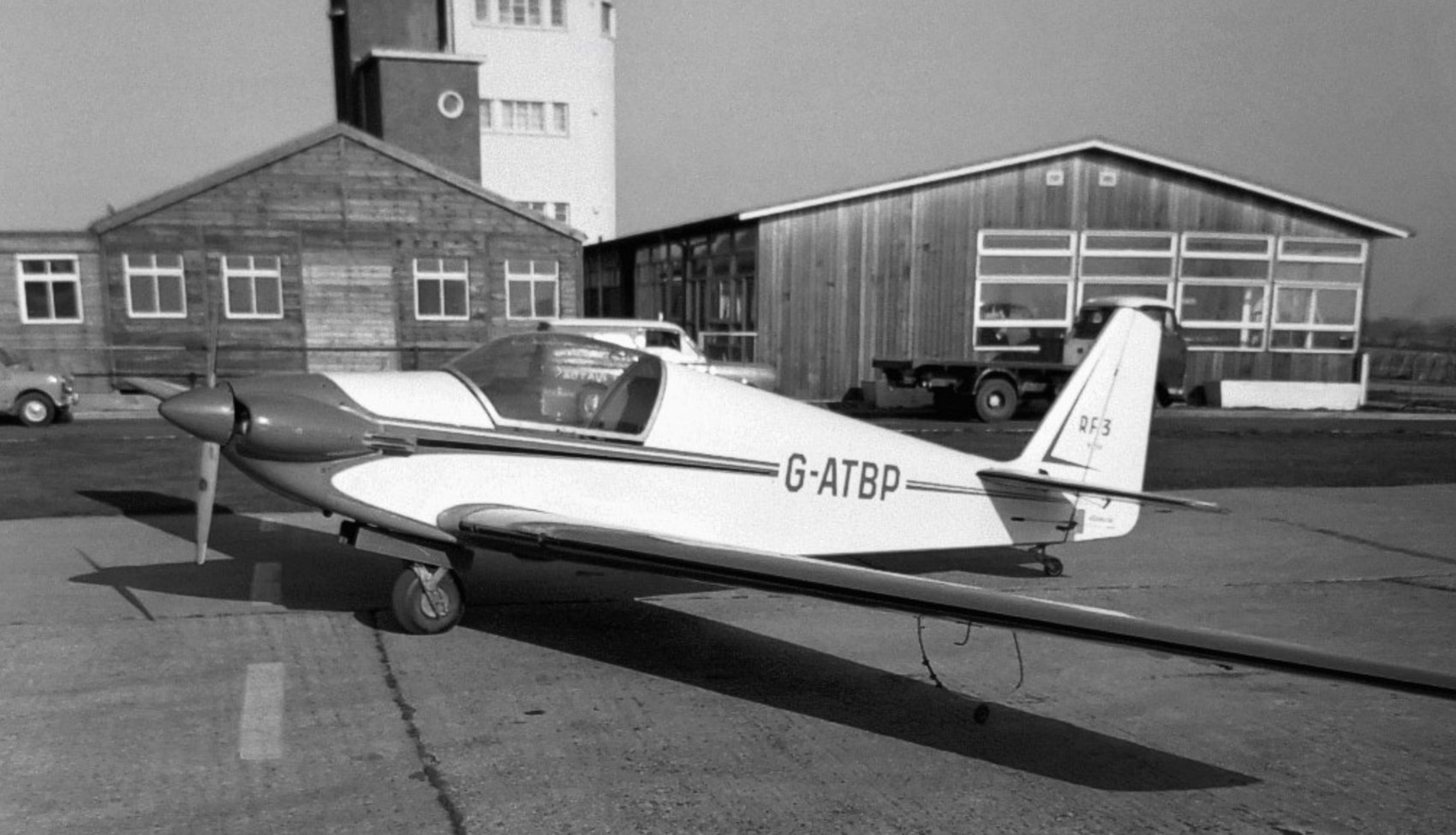

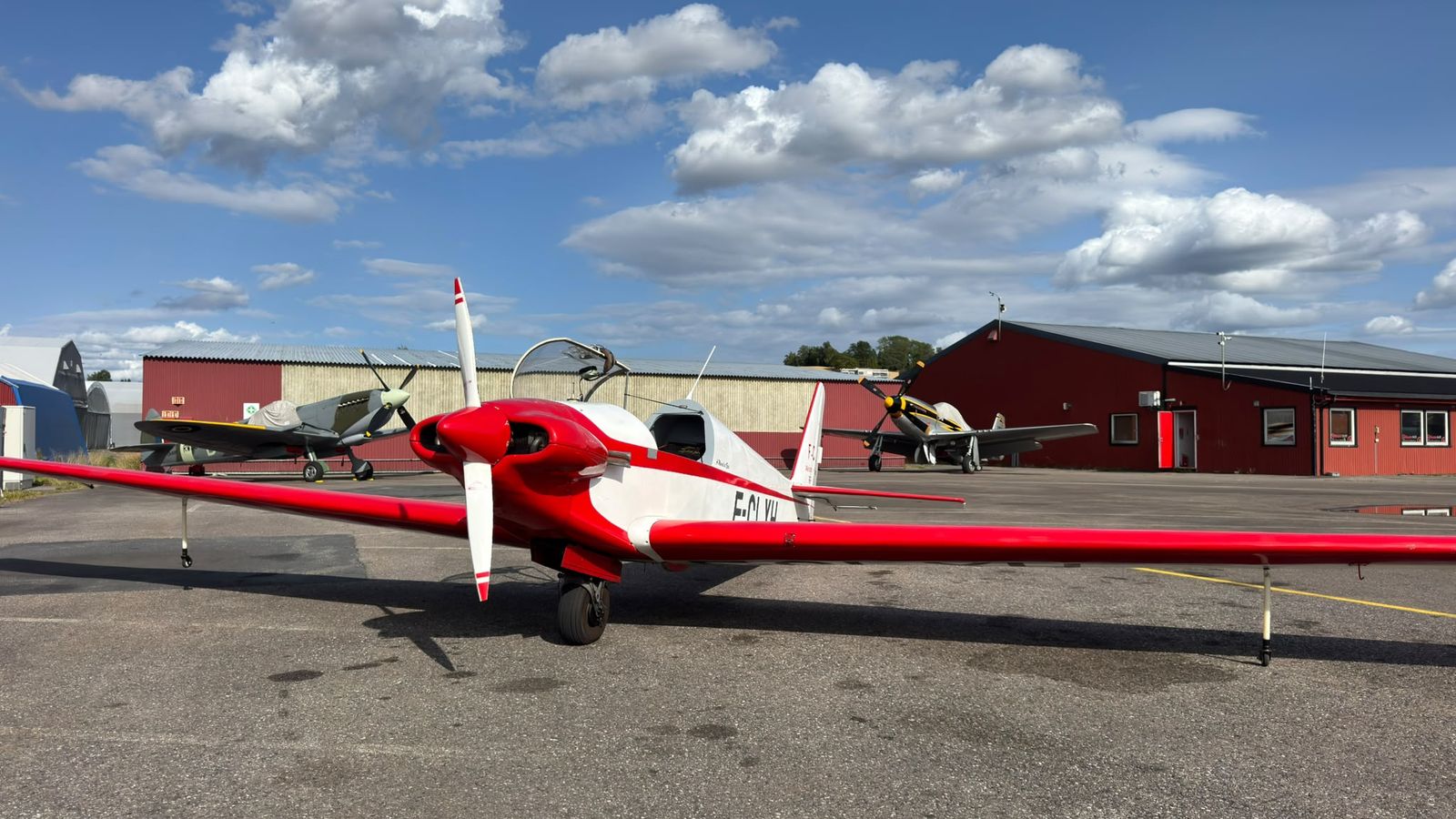
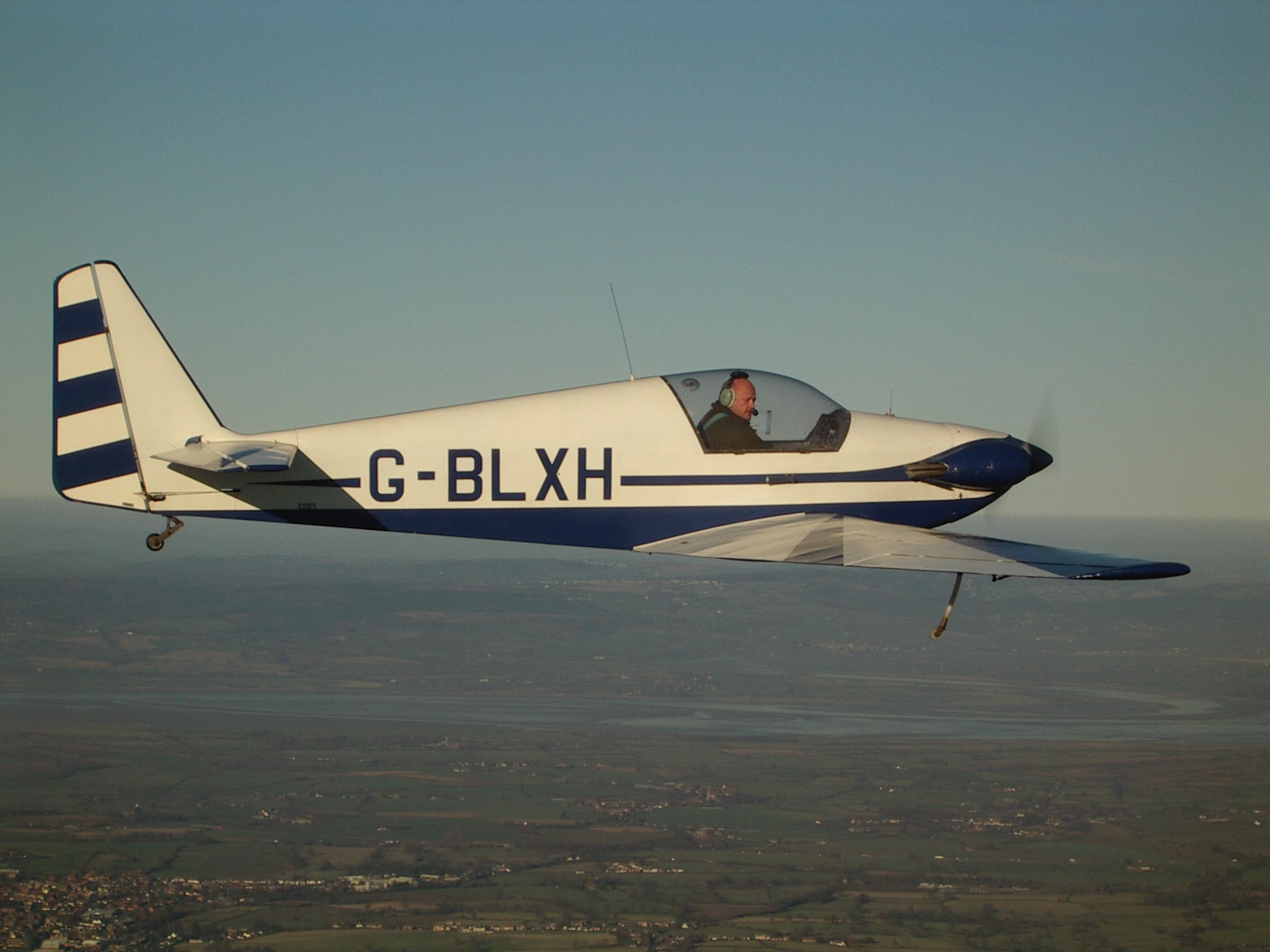
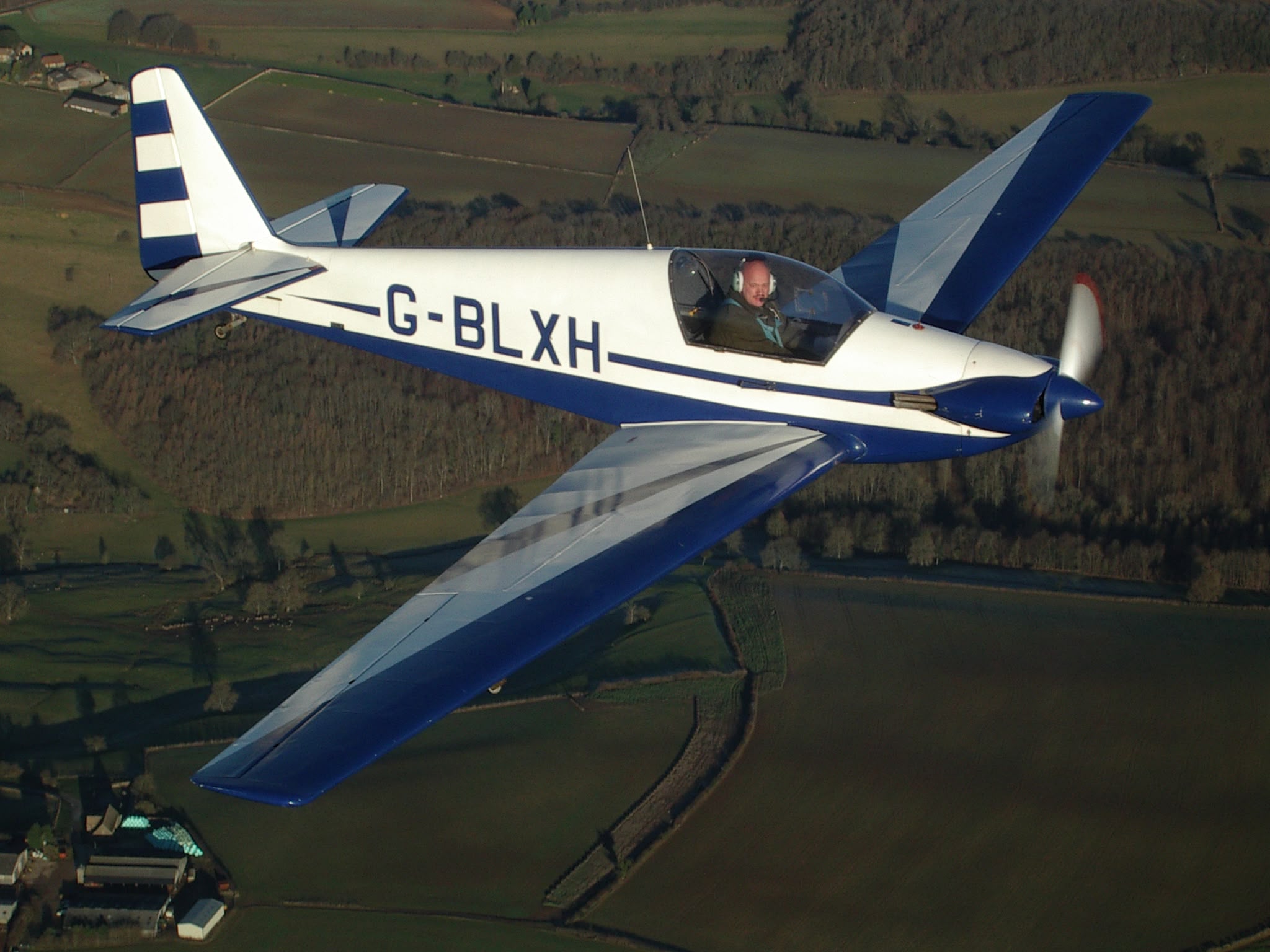
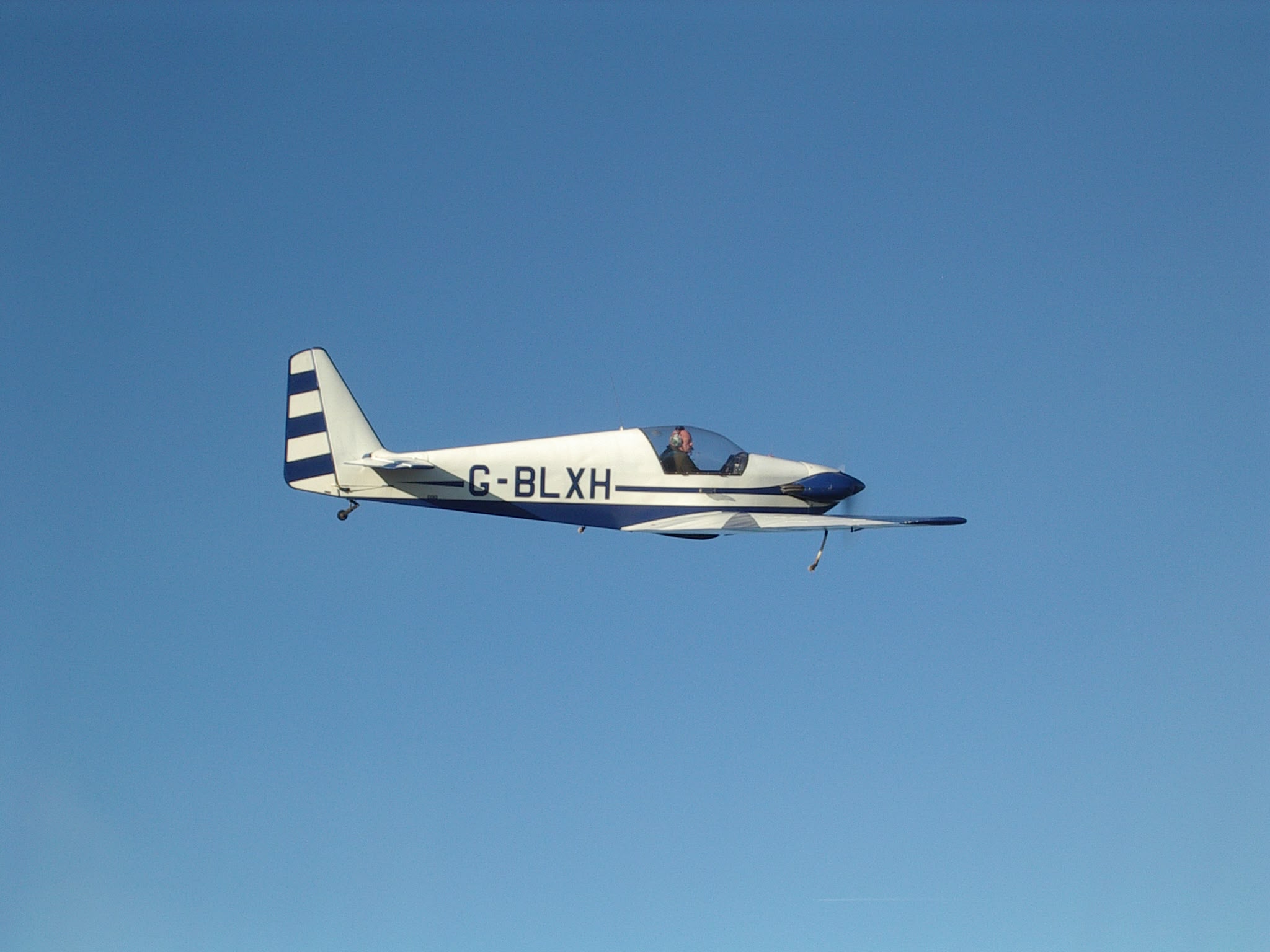
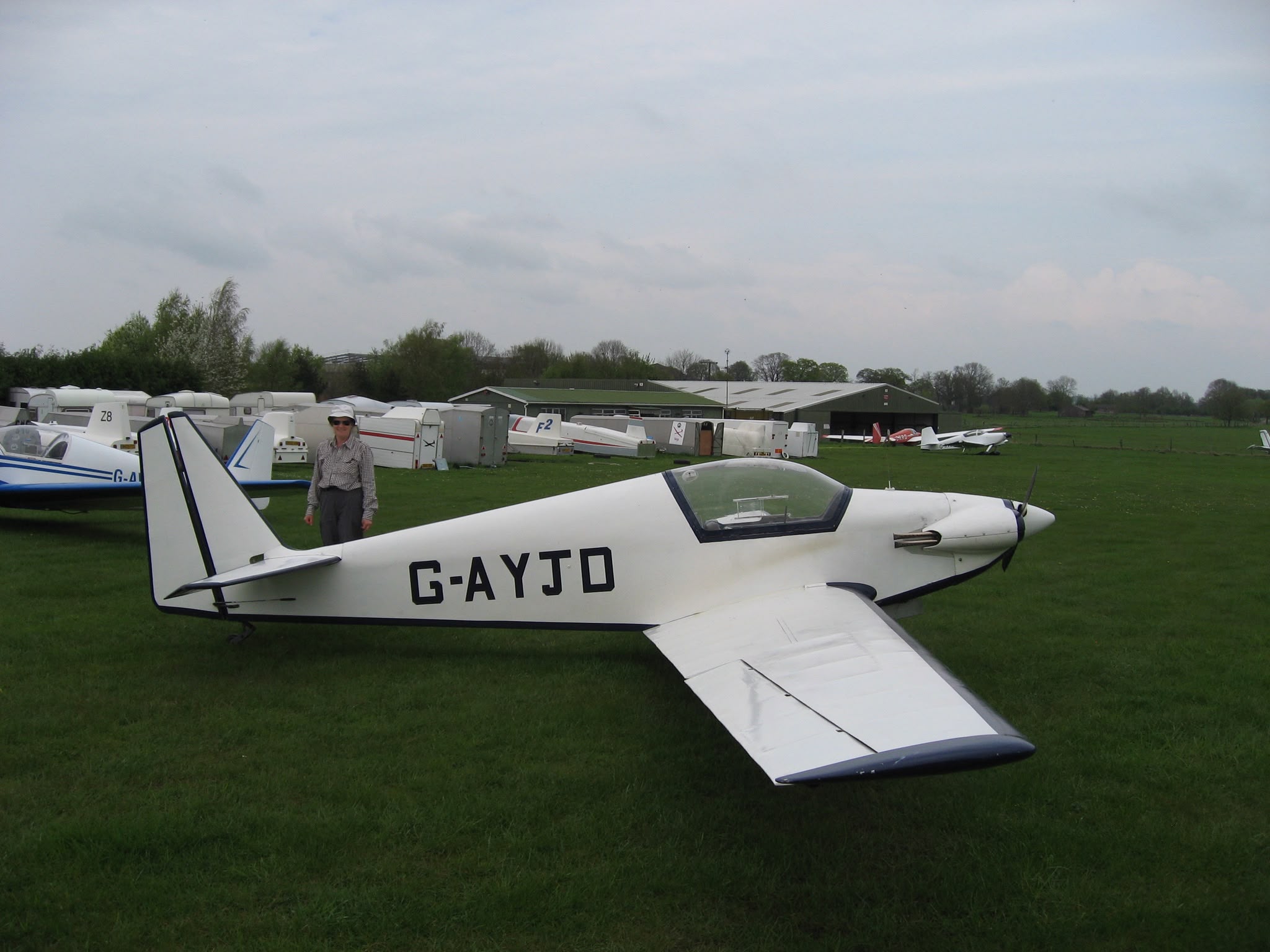
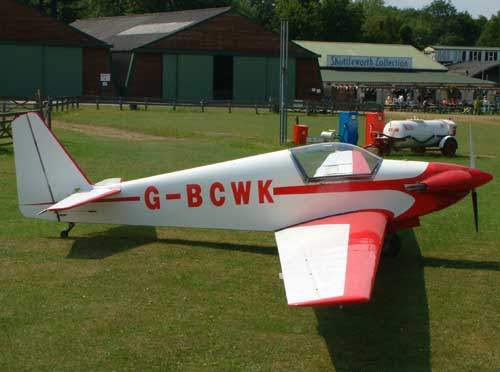
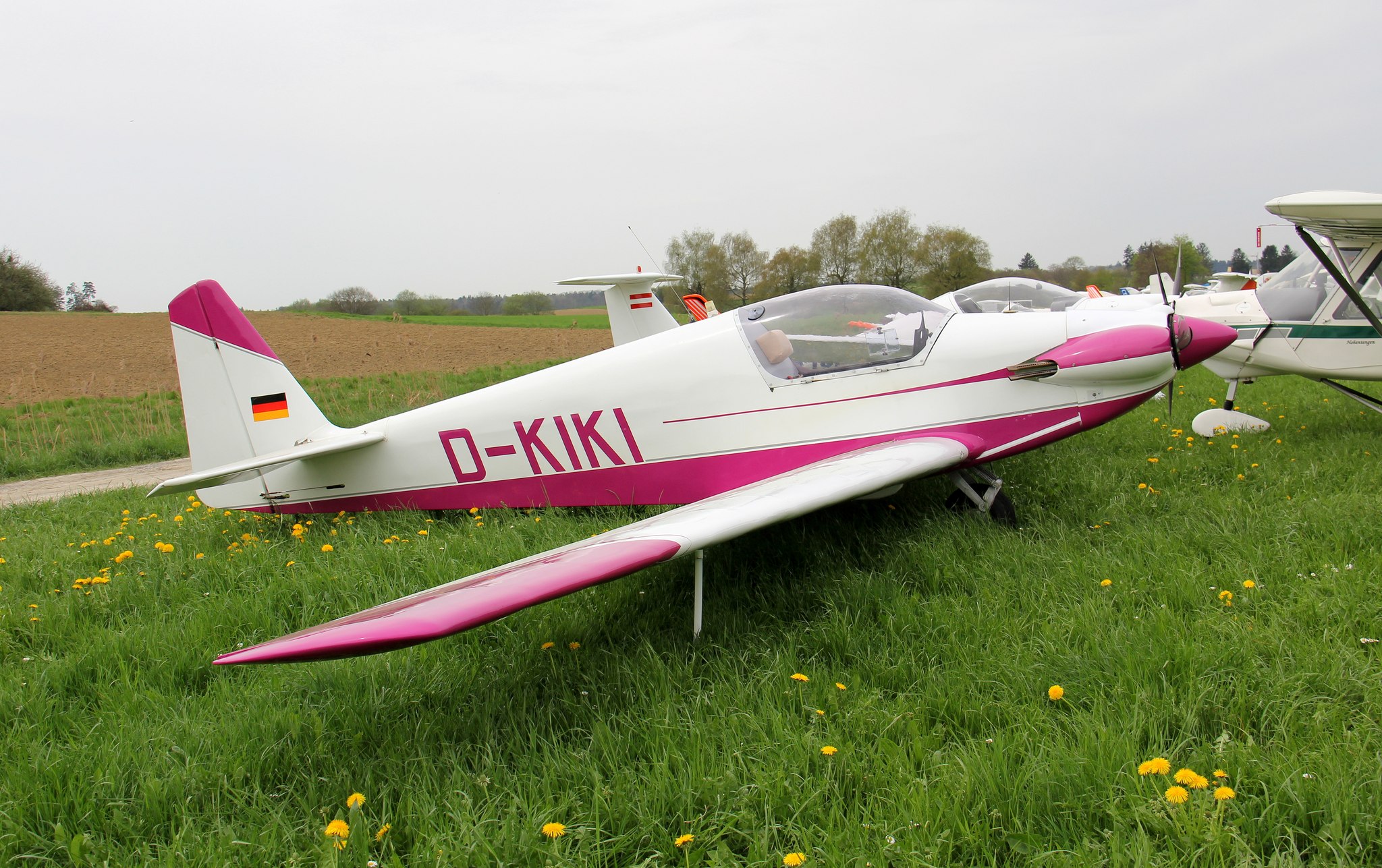
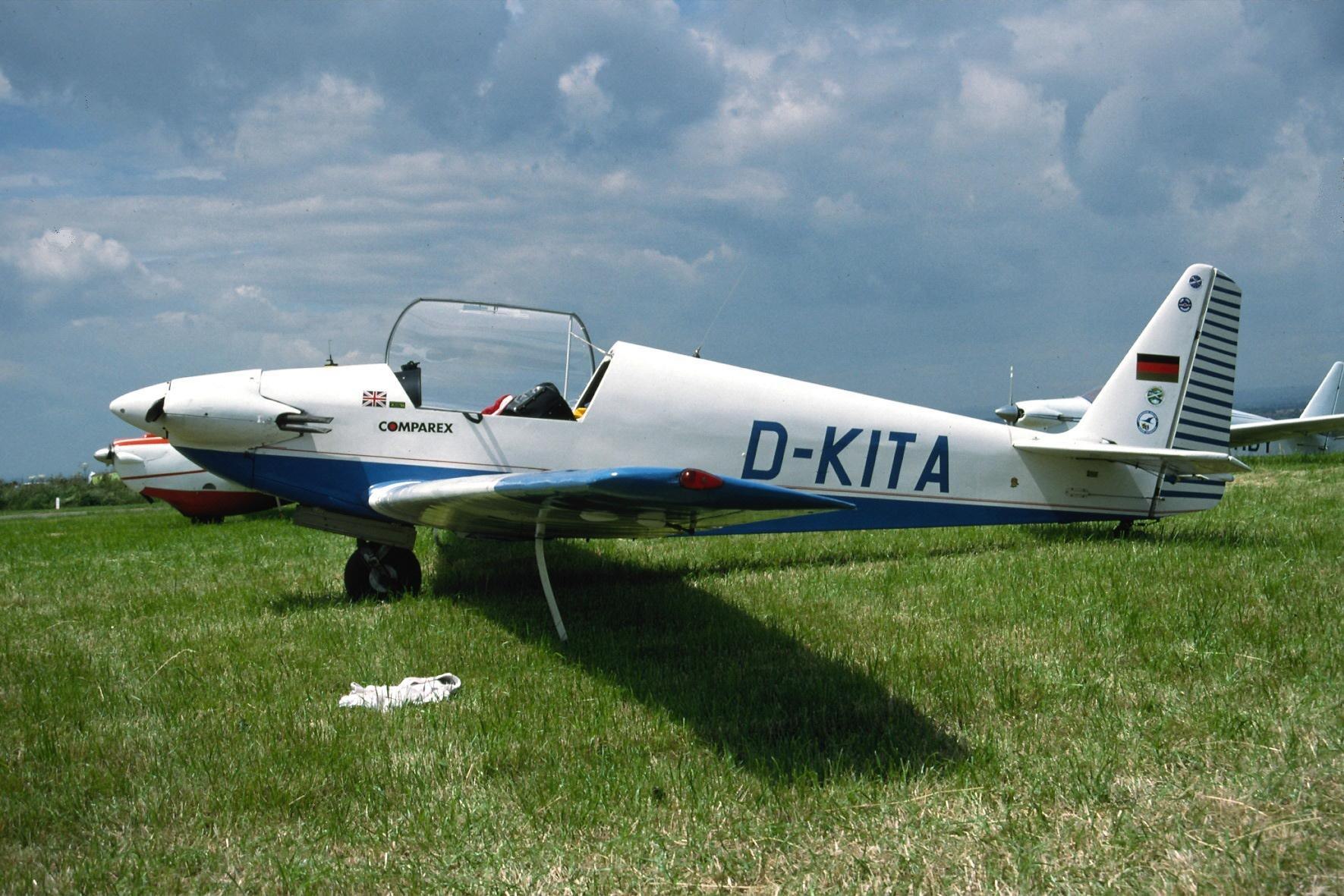
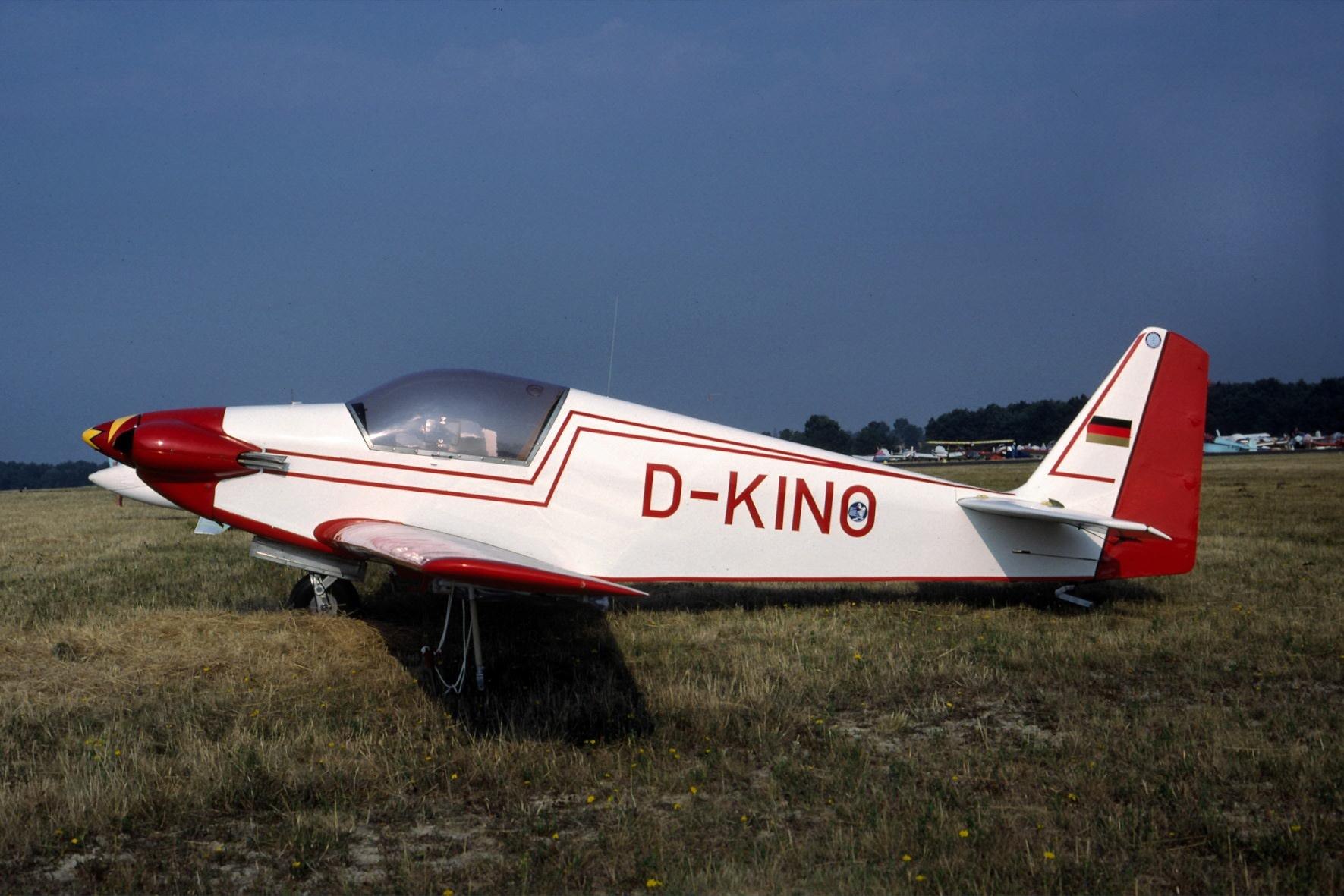
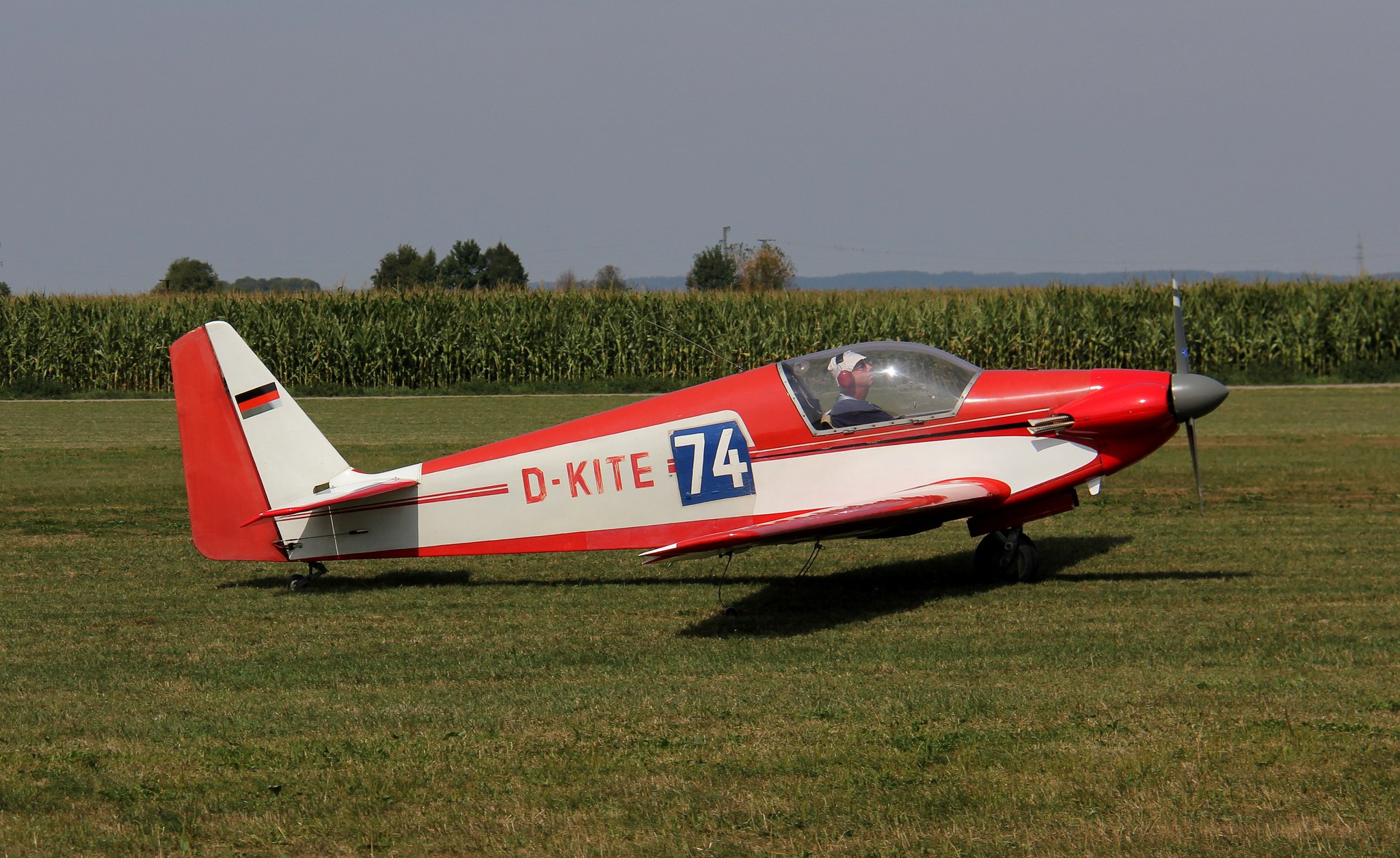
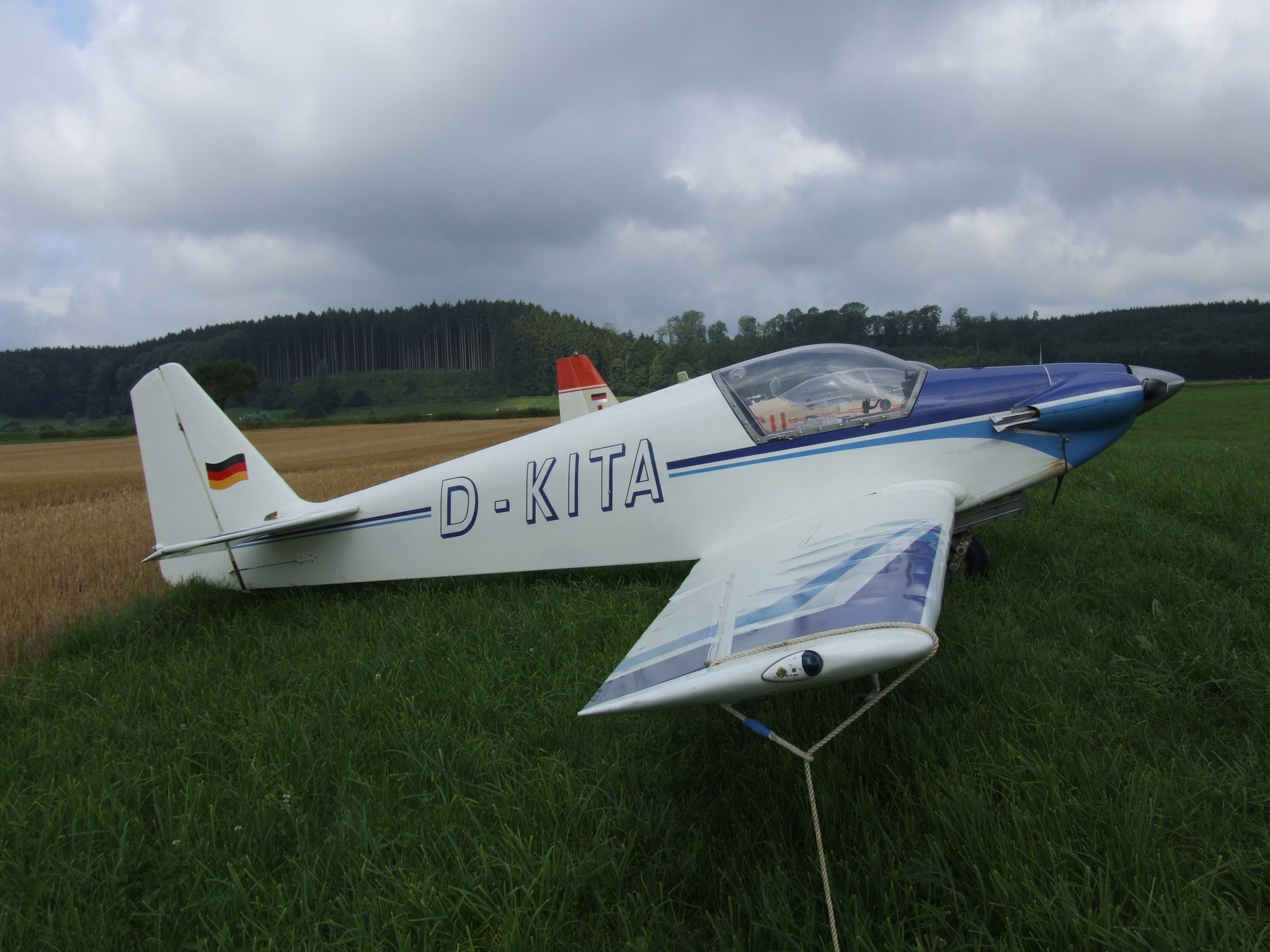
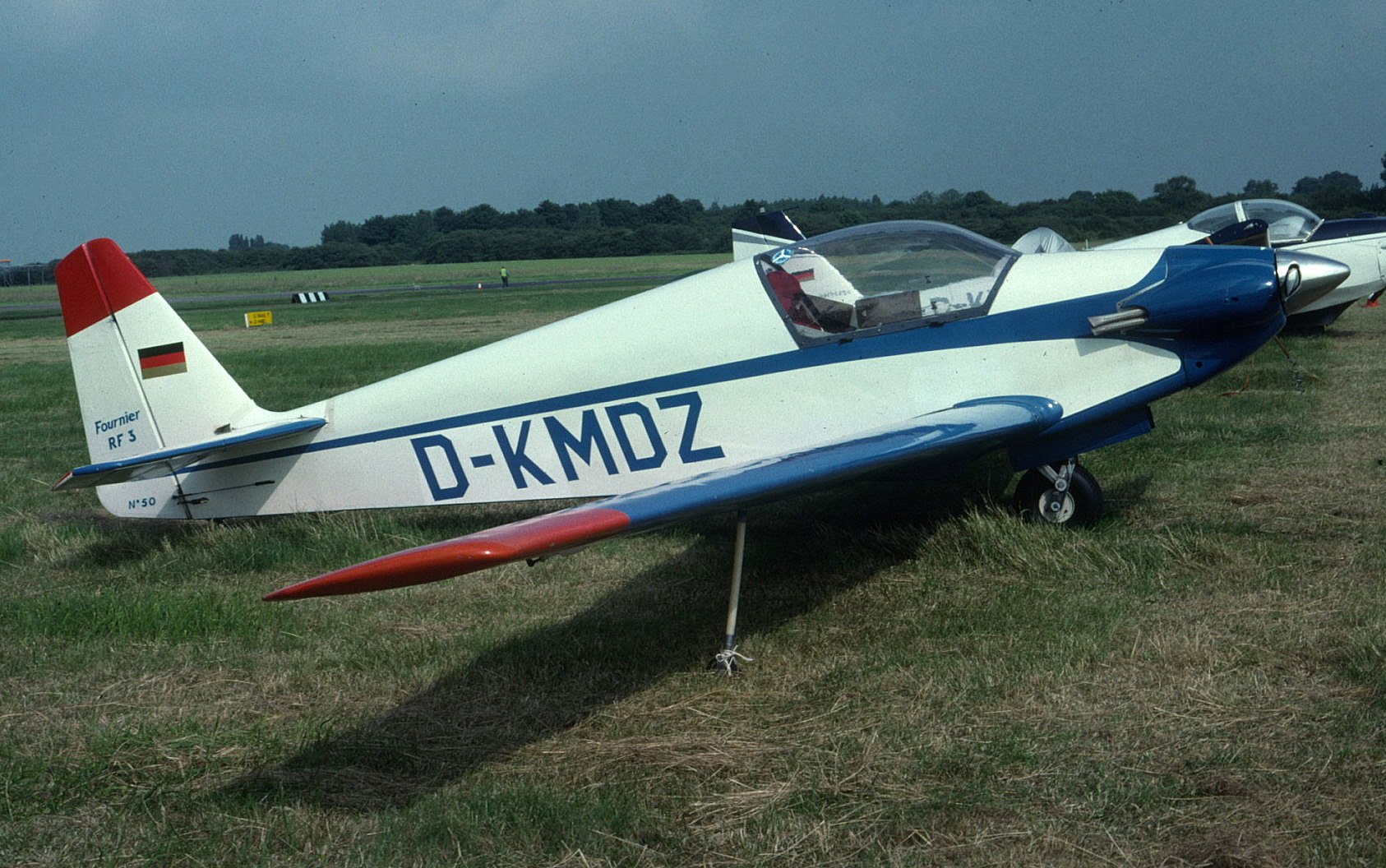
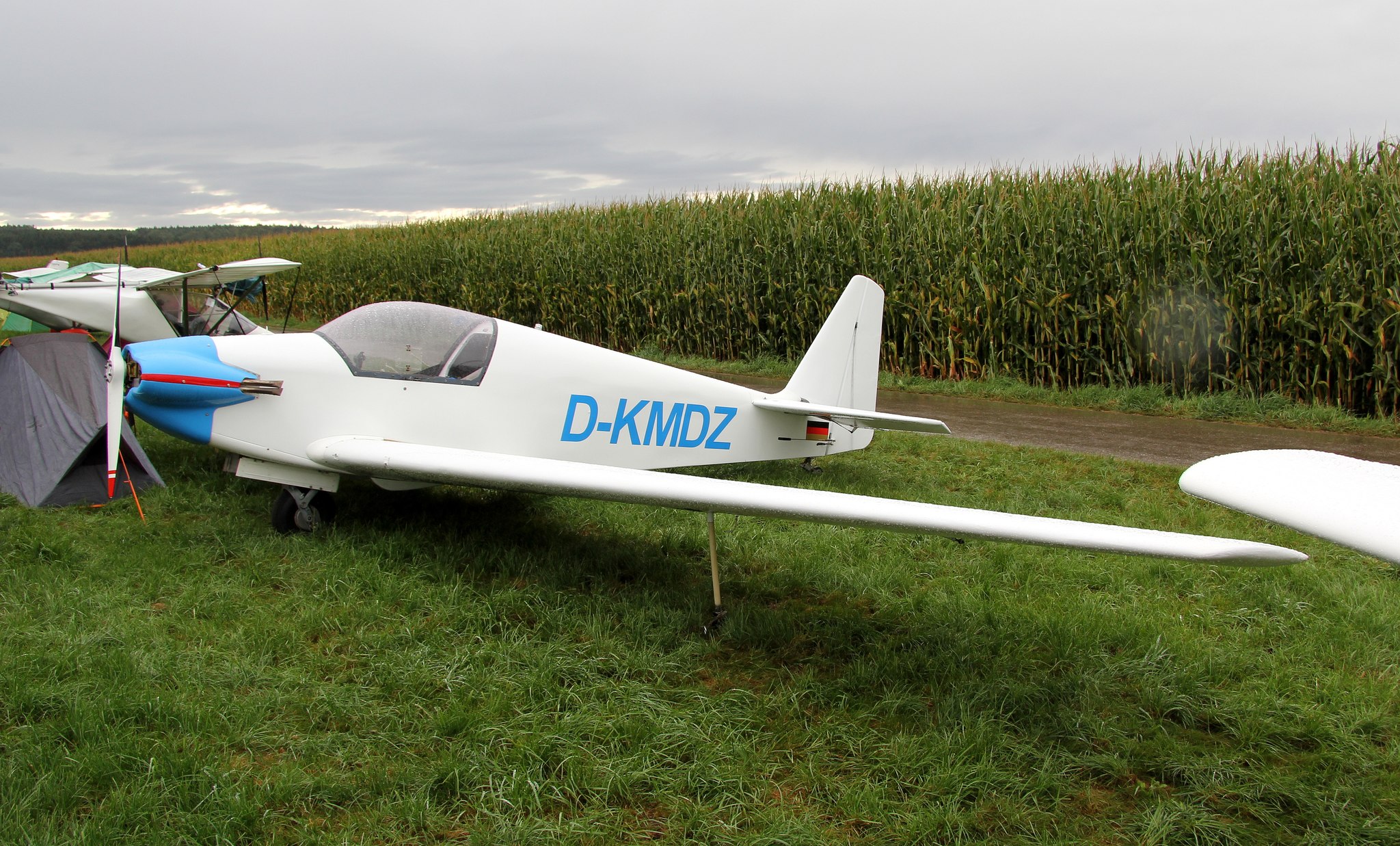
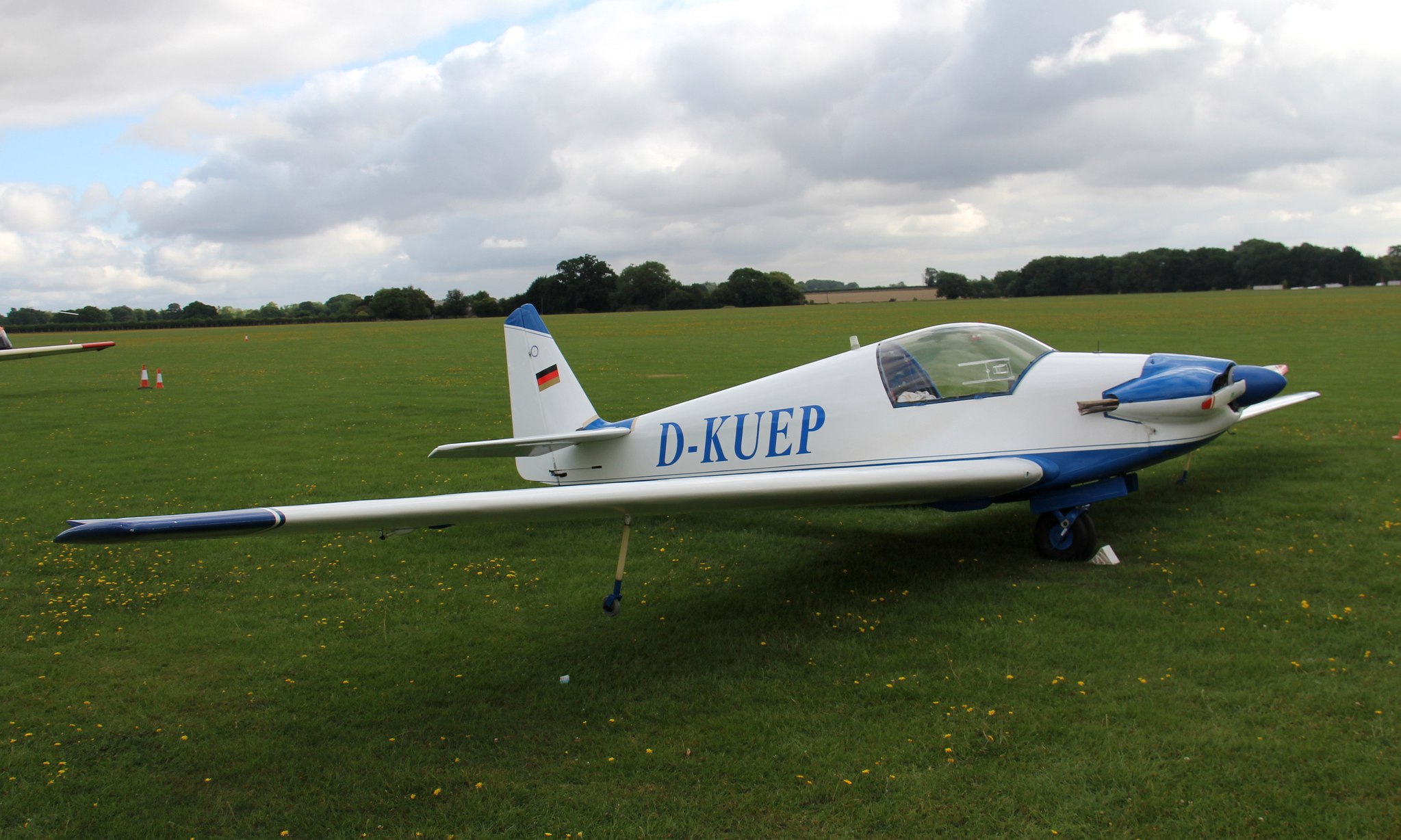
Own or fly a RF3? Photos are added by hand — use the “Send us a photo” tile above to email yours to James, and it will be added to this gallery.
G-AYJD was found derelict in long grass with the engine already removed; what's known so far is documented on the G-AYJD restoration page.