Flew beautifully while the company collapsed
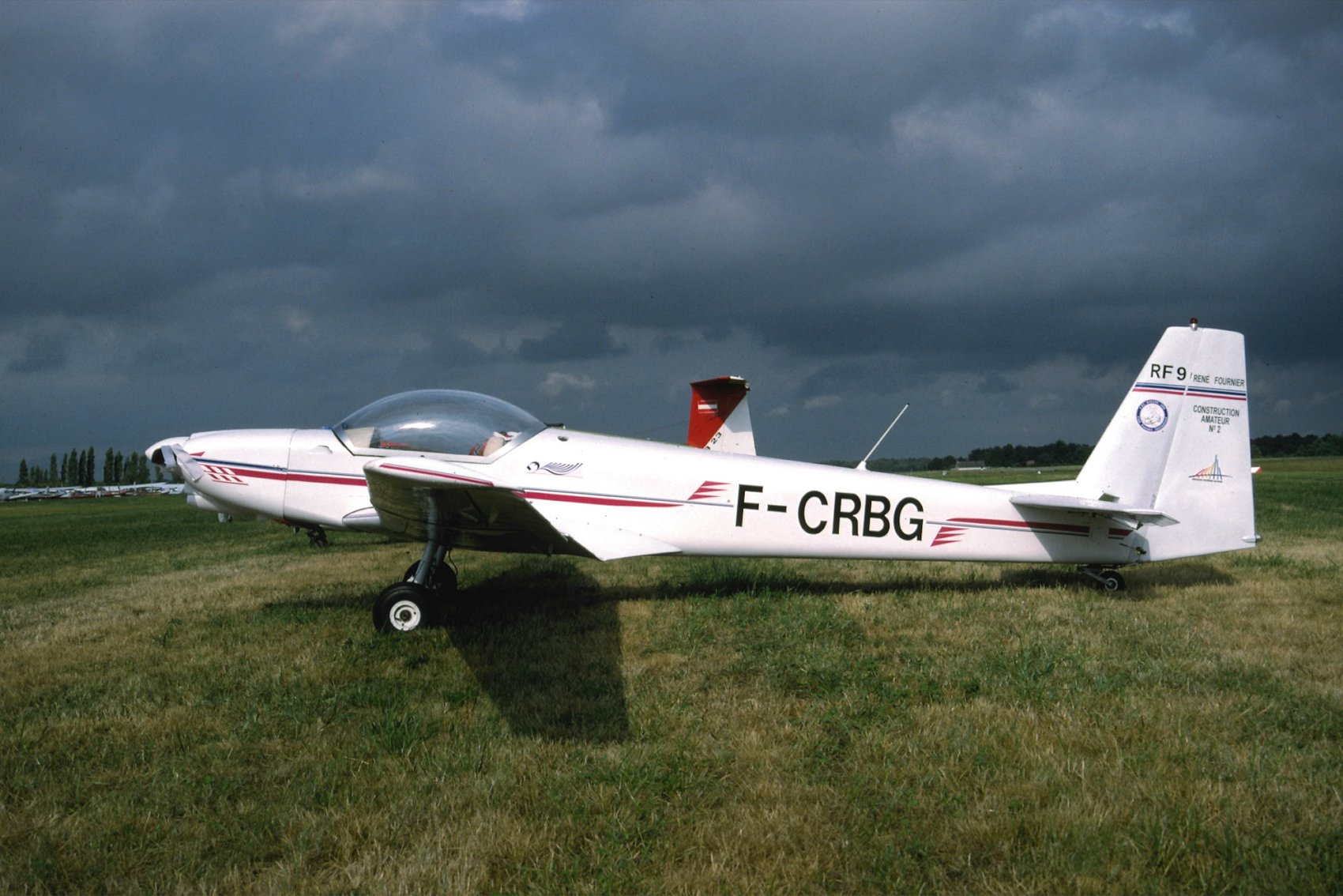
French officials offered support for a motorglider meeting a newly adopted domestic standard, and Fournier took on the RF9 alongside launching production of the RF6B — an enormous amount of parallel work for a small company. The RF9 itself flew on 20 January 1977 and handled superbly, with side-by-side seating and foldable wings in place of the RF5's tandem layout.
Financially, the same period was catastrophic. On 30 May 1977 the bank withdrew the company's credit and the state declined to intervene. Fournier was left ruined — his family home went up for sale — before a buyer eventually rescued the firm for very little money and put him back to work; the rescued company completed five more RF6Bs. Only 12 of the original wooden RF9 were ever built.
The design's real production life came later and elsewhere: the licence for a composite RF9 derivative was sold to Slingsby in England, which built roughly 300 for military pilot training in several countries — a direct, if indirect, link between this fragile French prototype and a substantial UK-built training aircraft.
Have a correction, a source, or a first-hand account of this type? The Articles Articles section and the contact page are both open for contributions.
Every individual Fournier deserves a history of its own. This type page is the starting point; verified registration, restoration and ownership milestones can be added as the archive grows.
No RF9s currently appear on the UK civil register; the composite Slingsby derivative it inspired was built for military rather than civil use.
Report an aircraftNone were imported to the UK, so these are French-registered examples. Owned or flown one? Email us a photo.
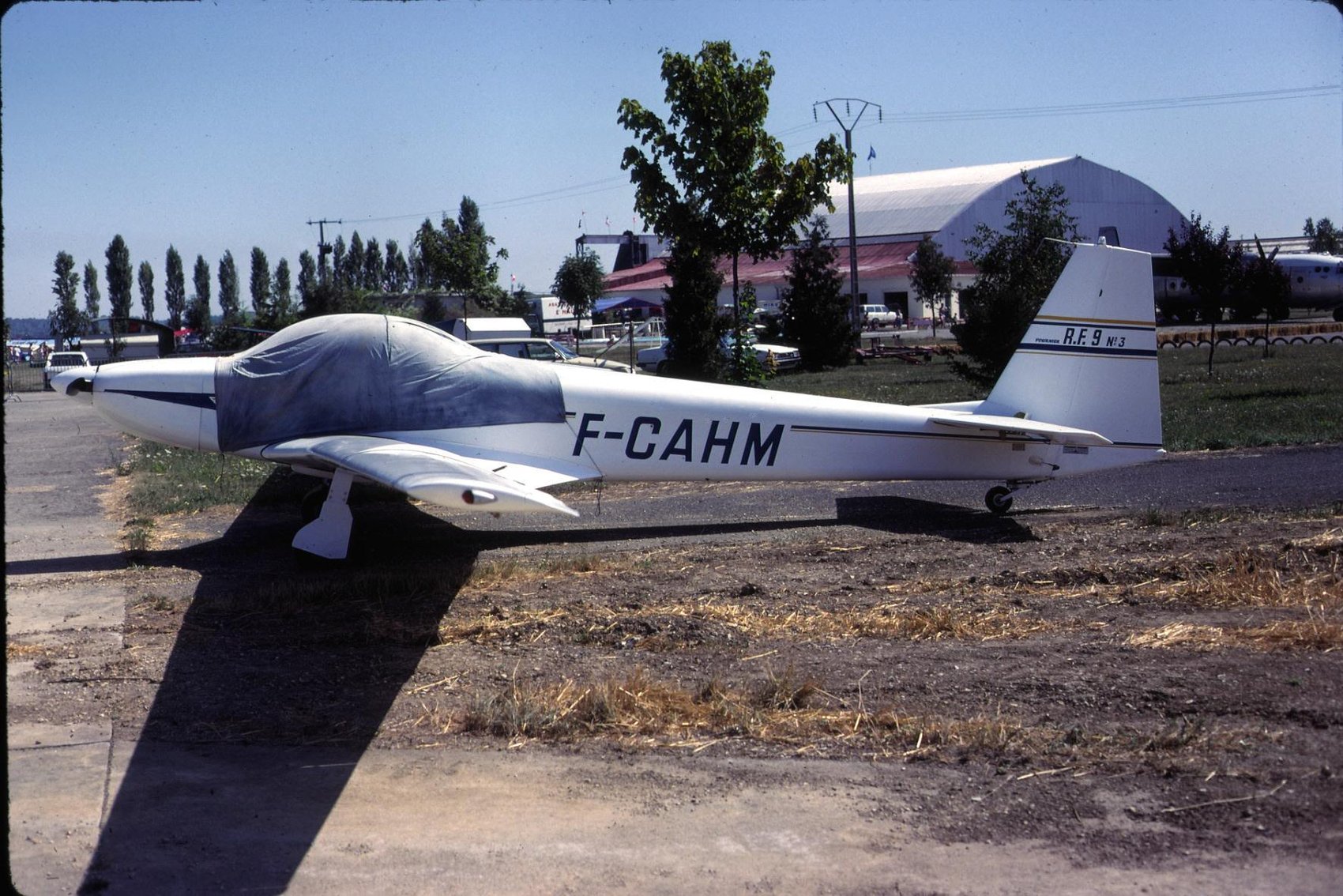
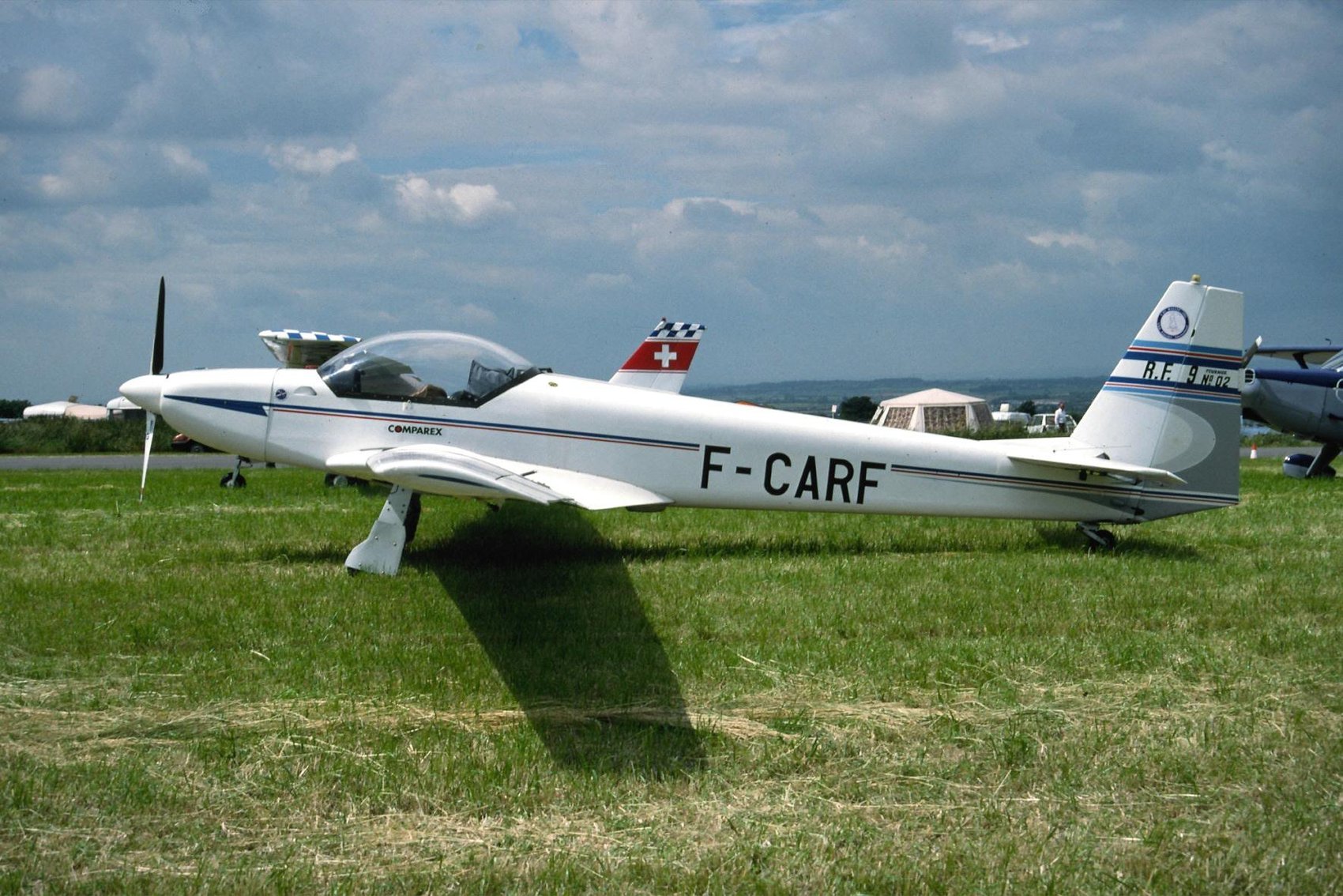
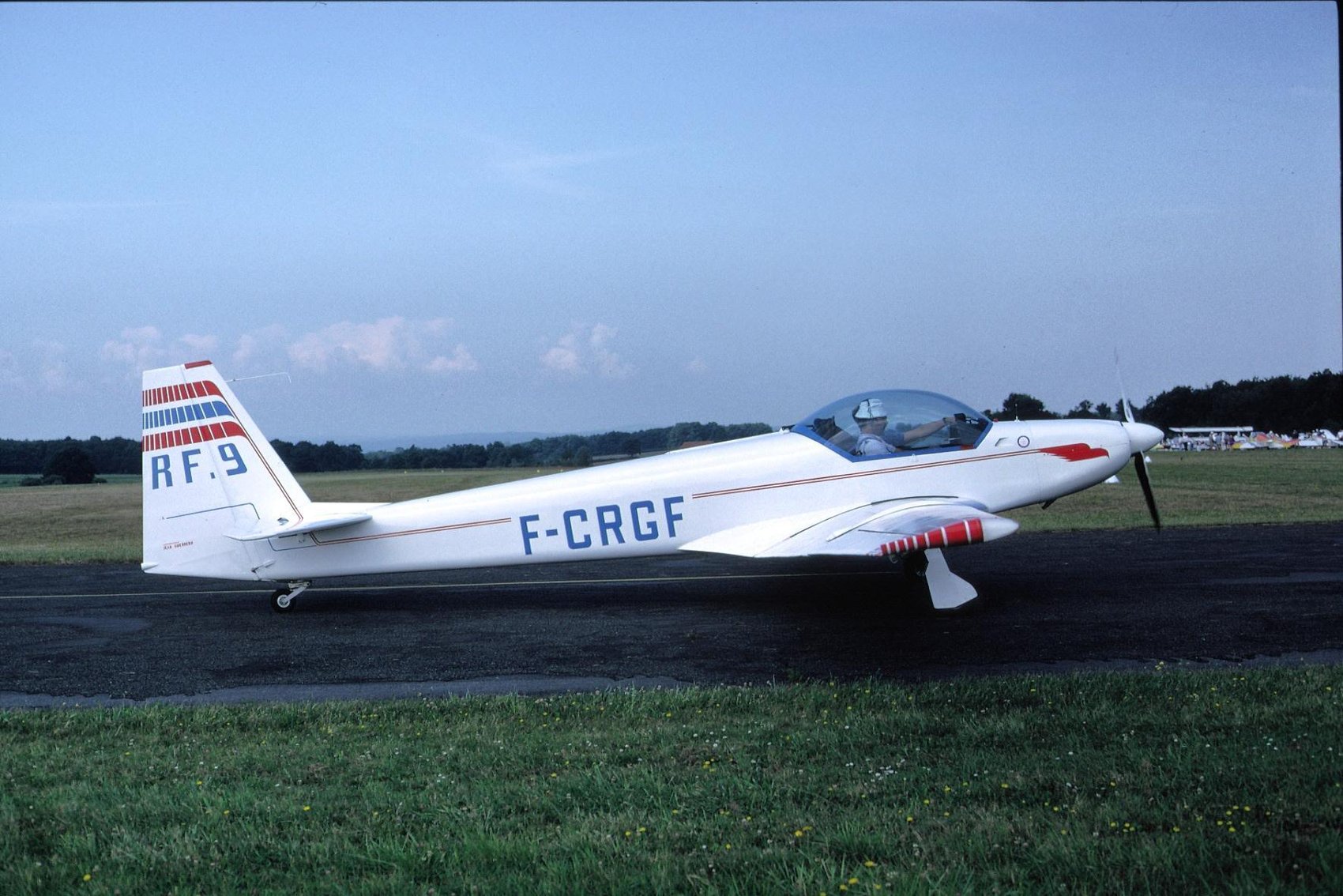
Own or fly a RF9? Photos are added by hand — use the “Send us a photo” tile above to email yours to James, and it will be added to this gallery.