A detour into tricycle-gear touring and training
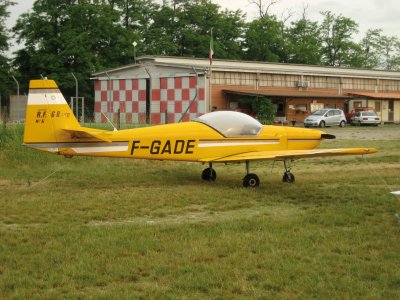
By the early 1970s a strong Deutschmark made German exports harder and imports easier, and American-style trainers — tricycle gear, side-by-side seating, wheel rather than stick, modest handling — were flooding into Germany. Wanting a share of that market, Sportavia's Alfons Pützer asked Fournier's design office for a three-seat tourer, the RF6, which Fournier himself thought could never compete on price. It first flew in March 1973, but that autumn's OPEC oil crisis hit before it could reach production; Sportavia abandoned it, along with the rest of its Fournier range.
In parallel, Fournier had been developing his own answer aimed squarely at flight schools: a genuine two-seat trainer capable of proper stick-and-rudder handling and basic aerobatics, rather than an American-style docile tourer. Built on the RF6's airframe but using the Cessna 150's 100hp Continental O-200, this became the RF6B — "B" for biplace, two-seater. It first flew on 12 March 1974 at Nitray, flown by test pilot Bernard Chauvreau, and received its French type certificate on 26 April 1975. With Sportavia gone, Fournier funded production himself, mortgaging his own assets to do it. Series production ran from March 1976, at a rate of up to five a month, until funding collapsed on 30 May 1977 — by which point 45 RF6Bs had been built at Nitray, most bought by French flying clubs and schools who wanted something livelier than a Cessna 150 or Piper Cherokee. Slingsby subsequently bought the remaining assets and tooling, developing the design into the composite T67 Firefly — 271 of which were eventually built, dwarfing the original run more than sixfold.
Today the type certificate — always held personally by René Fournier rather than a company — has become a genuine liability for owners: EASA revoked it after Fournier, by then in his late nineties, was unable to pay a new annual Type Certificate holder's fee. That leaves the small number of surviving RF6Bs (around 25 still flying, almost all in France) as orphans, caught between onerous EASA maintenance rules and eligibility questions for a UK Permit to Fly. UK owner and display pilot Bob Grimstead has documented the whole saga — buying, transporting, and battling the bureaucracy around two separate RF6Bs, including the actual 1974 prototype — in a five-part Pilot magazine series on the Magazine Shelf.
A related derivative worth noting for UK owners: the RF6C, marketed as the RS180 Sportsman, appears on the UK register as a single example.
Have a correction, a source, or a first-hand account of this type? The Articles Articles section and the contact page are both open for contributions.
Every individual Fournier deserves a history of its own. This type page is the starting point; verified registration, restoration and ownership milestones can be added as the archive grows.
| RF6B registered |
|---|
| G-BOLC |
| RF6C "RS180 Sportsman" registered |
|---|
| G-VIZZ |
| De-registered / historic |
|---|
| G-BKIF · G-BLWH · G-GANJ · G-RFGB |
Registrations from the club's UK list revised 13 September 2026 — not a live feed. Check CAA G-INFO for current status.
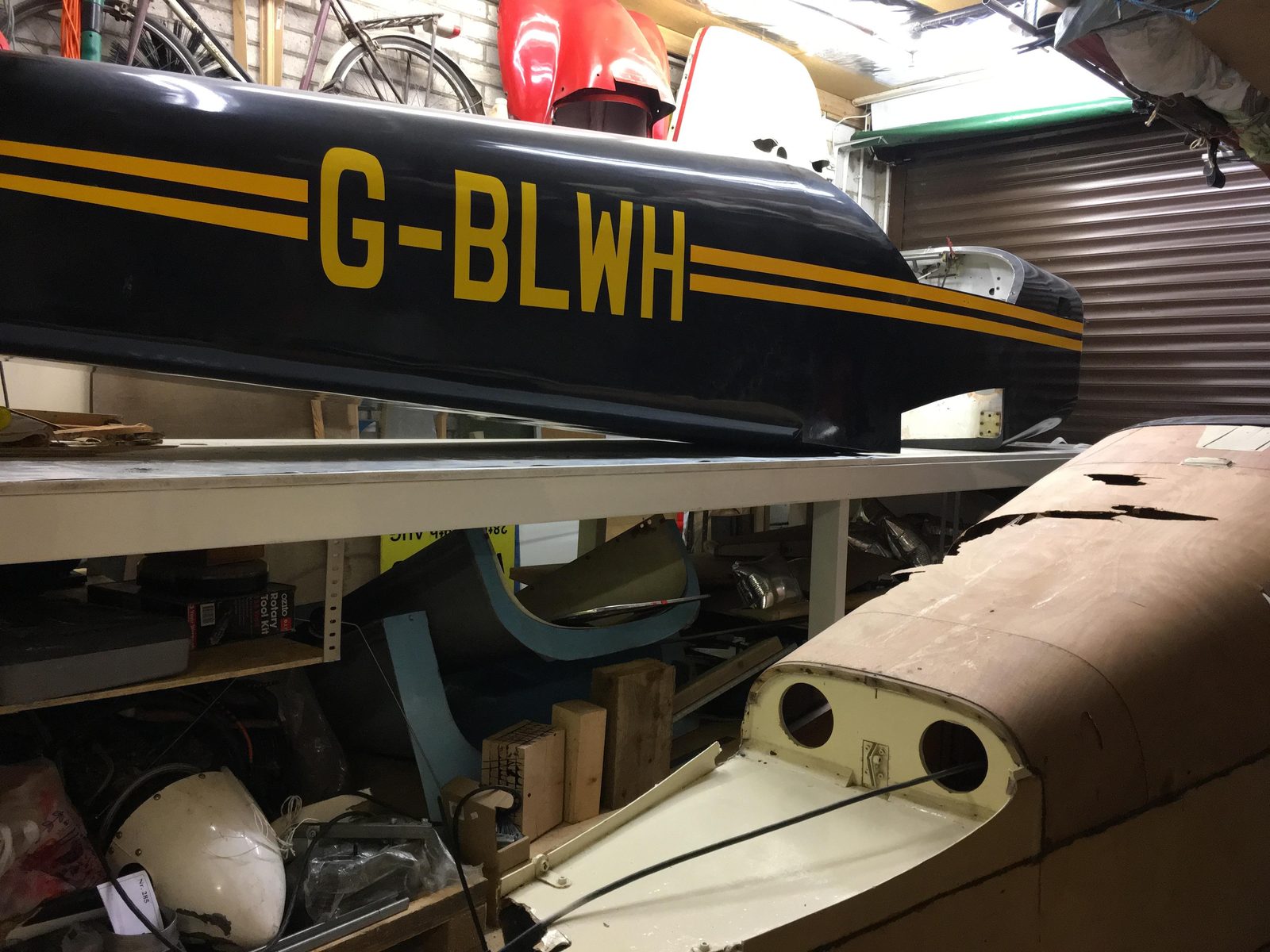
G-BLWH ("Whisky Hotel") left the factory on 6 September 1976 as F-GADF, the seventh production RF6B. Imported to the UK in 1985, it passed through Rod Ashforth's Gloster Aero Group — coincidentally the same group that once owned RF4D G-AWGN, also on this site — before a 2004 C of A renewal failure over its climb rate led to a full re-cover at Booker and later acquisition by Tiger Airways. Bob Grimstead bought it in January 2021 and has been rebuilding it as an LAA Permit aircraft; the full five-part saga, including the discovery and recovery of the actual 1973 RF6B prototype F-BPXV along the way, is on the Magazine Shelf. The prototype is now registered G-RFGB. G-BLWH itself is now due to be de-registered to Australia — see the restoration project for the fuller story.
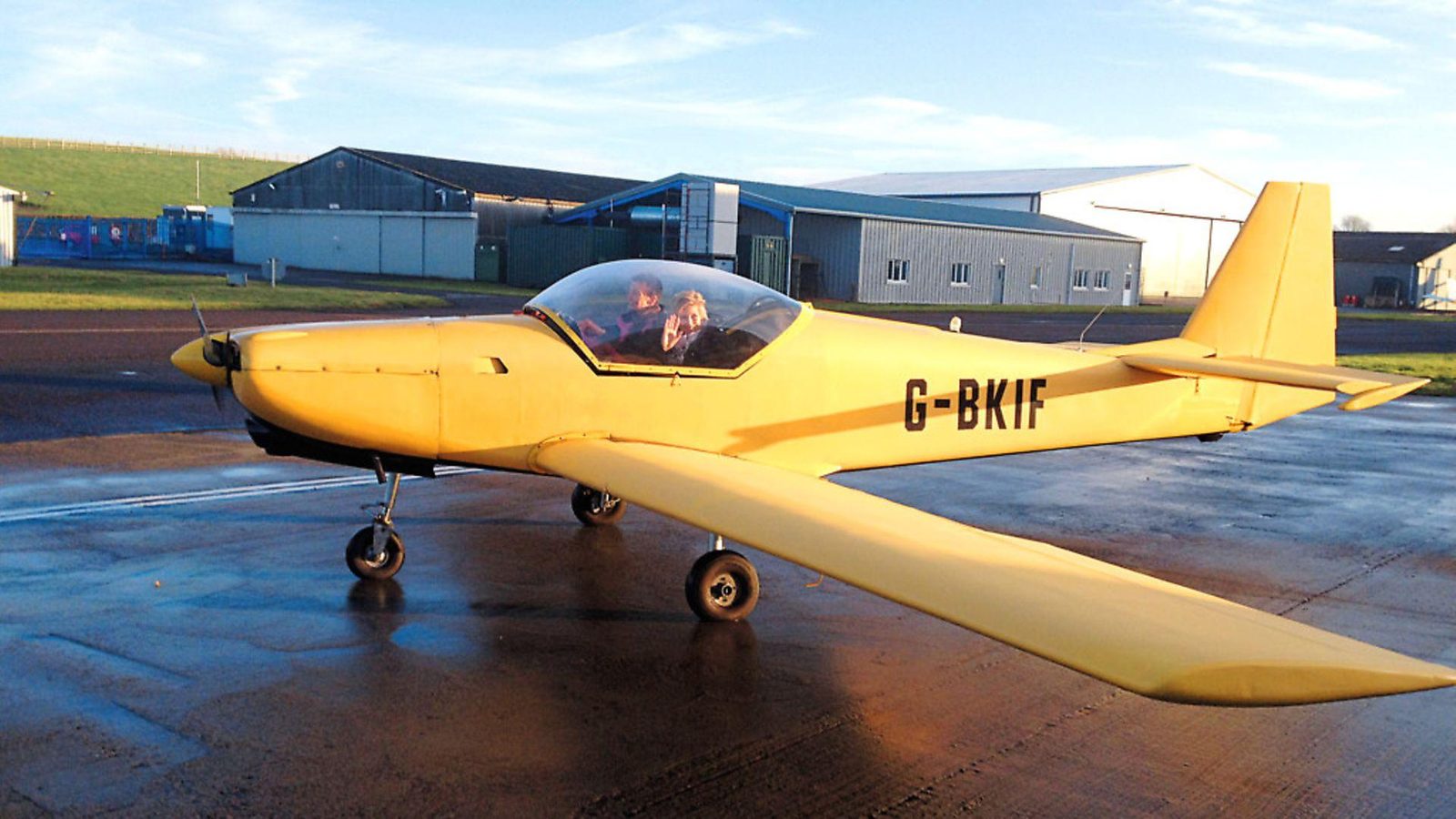
G-BKIF, a long-time fixture at Staverton and one of five British-registered RF6Bs, was previously Tiger Airways' other example — the one Grimstead flew and seriously considered buying in January 2021, before opting for G-BLWH instead. It has since changed hands, and force-landed on the A40 Golden Valley Bypass in August 2023 after running out of fuel — noted in AAIB/Aviation Safety Network records. It was damaged further when dropped off the recovery truck, and was broken for parts and wood; some of those parts, along with parts from the long-lost G-GANJ (which reappeared at a King's Lynn auction in June 2026, its scrap destined to become a children's toy at a museum near Conningsby), have gone into the G-RFGB project.
Owned or flown one of these? Email us a photo.
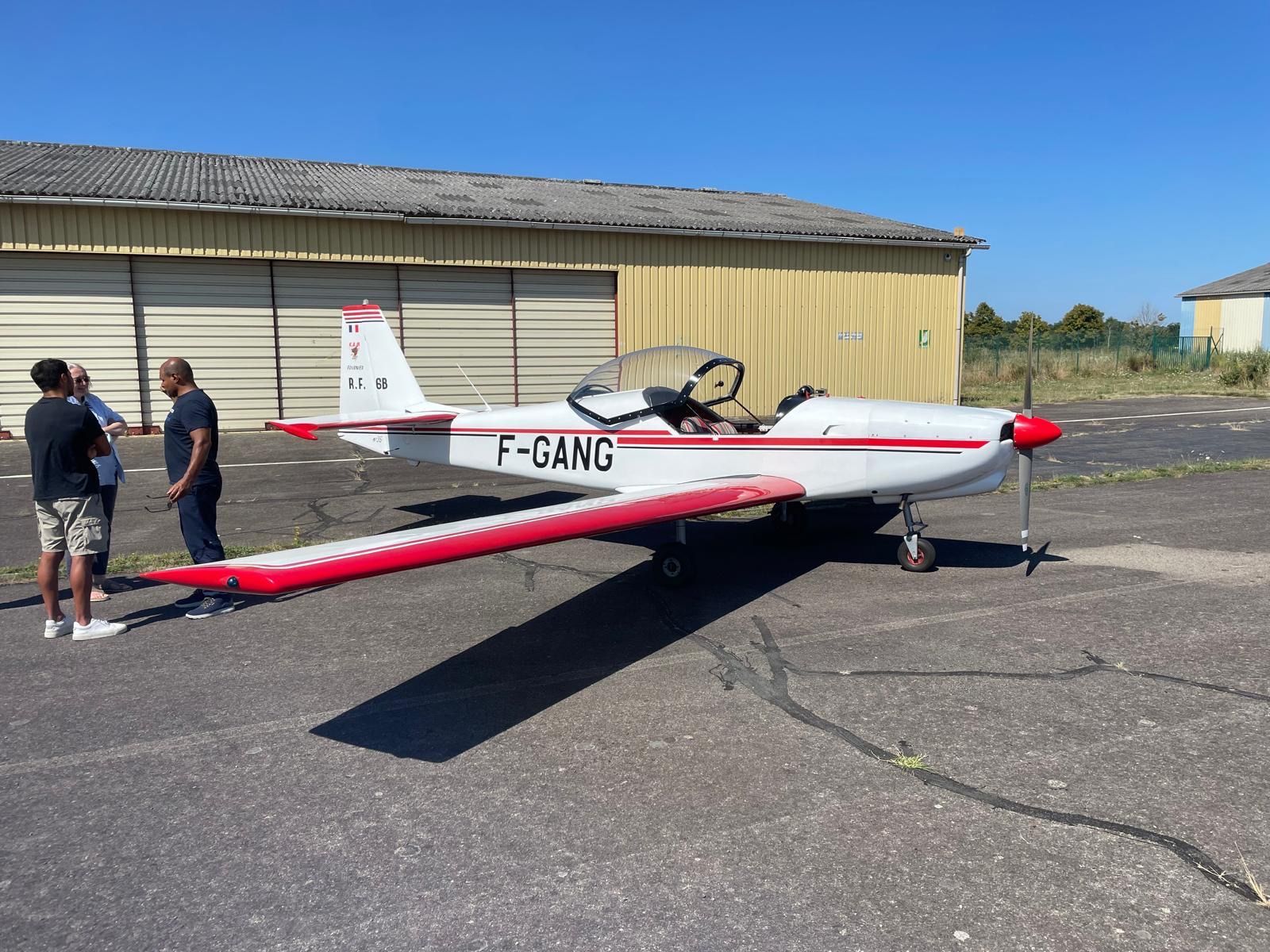
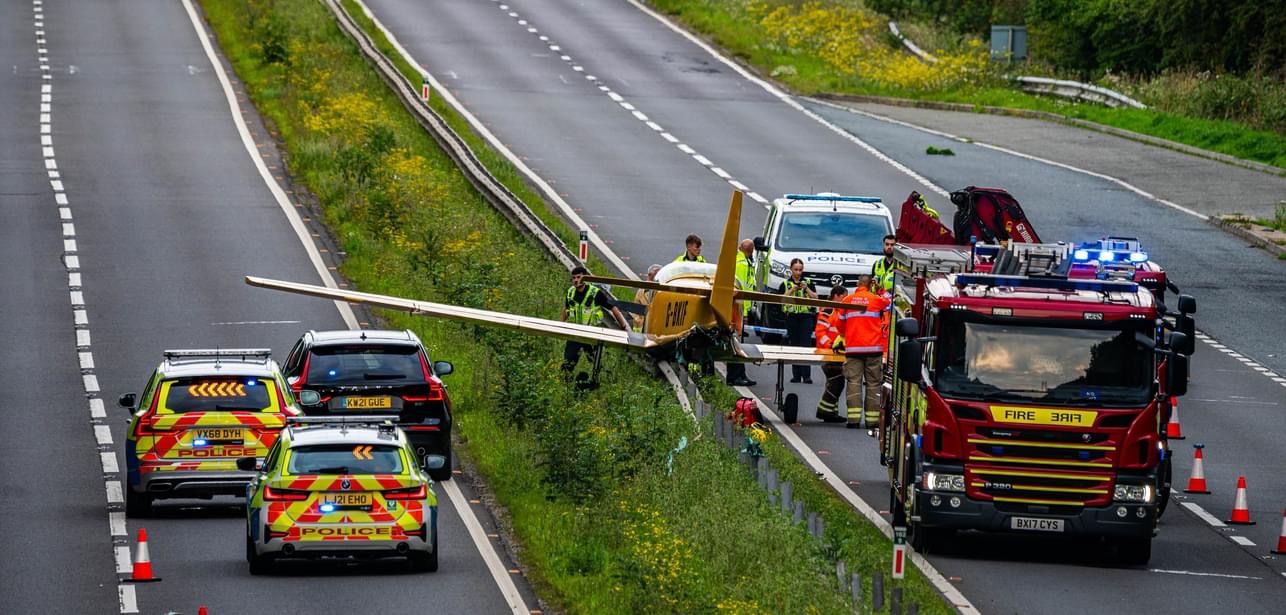
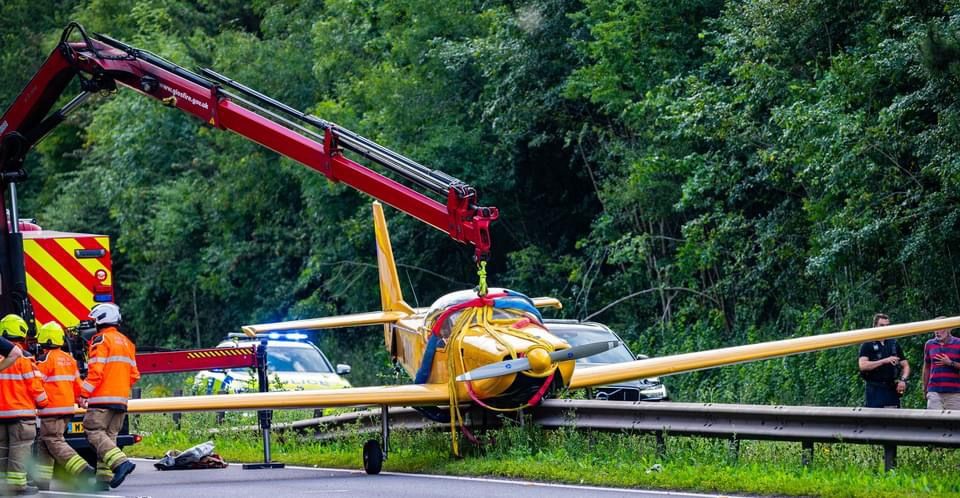
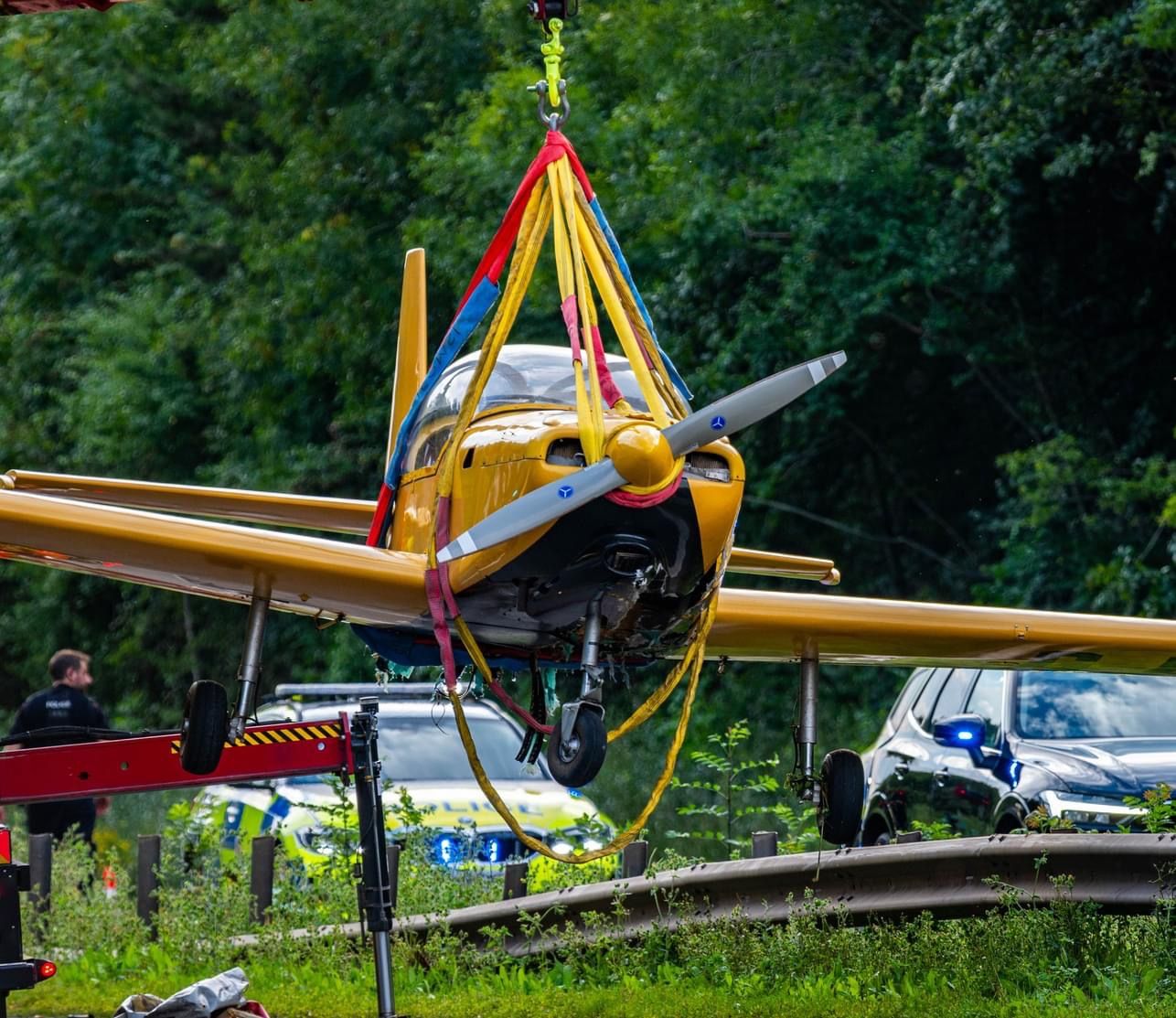
Own or fly a RF6? Photos are added by hand — use the “Send us a photo” tile above to email yours to James, and it will be added to this gallery.